If your doctor has recommended surgery for a hernia, gallbladder stones, or another abdominal condition, you may have already heard the term “laparoscopic surgery” — often described as a safer, faster-recovery alternative to traditional open surgery. If you’re exploring options for laparoscopic surgery in Chamrajpet, this guide breaks down how the procedure works, what conditions it treats, and what to expect before, during, and after surgery.
What Is Laparoscopic Surgery?
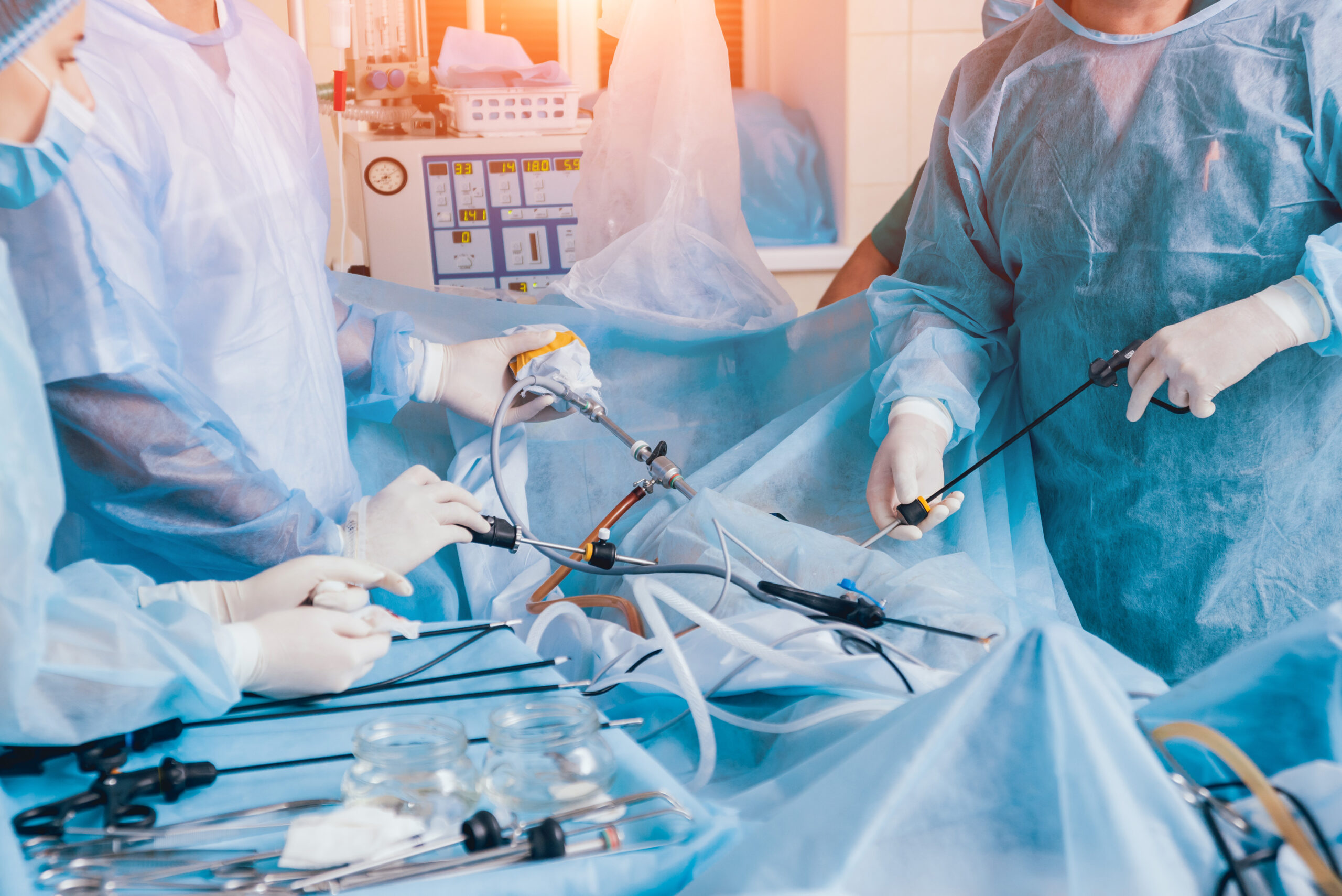
Laparoscopic surgery, also known as minimally invasive surgery, is a modern surgical technique that uses small incisions (usually 0.5–1.5 cm) instead of one large incision required in traditional open surgery. A thin tube with a camera — called a laparoscope — is inserted through one incision, allowing the surgeon to view the internal organs on a screen in real time. Specialized surgical instruments are then inserted through the other small incisions to perform the procedure.
This approach has transformed general surgery over the past few decades, offering patients significant advantages over traditional open surgery.
Benefits of Laparoscopic Surgery
Compared to open surgery, laparoscopic procedures typically offer:
- Smaller incisions — leading to minimal scarring
- Less post-operative pain — due to reduced tissue trauma
- Shorter hospital stays — many procedures allow discharge within 1–2 days
- Faster recovery time — patients often return to normal activities significantly sooner
- Lower risk of infection — smaller wounds mean reduced exposure
- Reduced blood loss during the procedure
While not every condition is suitable for a laparoscopic approach, a growing number of abdominal and pelvic surgeries can now be performed this way.
Common Conditions Treated with Laparoscopic Surgery
1. Gallbladder Stones (Gallstones)
Laparoscopic cholecystectomy — removal of the gallbladder — is one of the most commonly performed laparoscopic procedures. It’s typically recommended when gallstones cause recurring pain, inflammation, or blockages. A gallbladder stone surgeon can usually complete this procedure in under an hour, with most patients discharged within a day.
2. Hernia Repair
Hernia surgery using laparoscopic techniques is now a preferred option for many patients, particularly for inguinal (groin) and umbilical hernias. Compared to open hernia repair, laparoscopic hernia surgery generally results in less post-operative pain and a quicker return to normal activity.
3. Appendicitis
Laparoscopic appendectomy is now considered a standard treatment for acute appendicitis, offering faster recovery compared to traditional open appendix removal.
4. Gastrointestinal Conditions
Certain conditions affecting the stomach and intestines, including some ulcers and gastrointestinal obstructions, can be treated using laparoscopic techniques depending on severity and individual patient factors.
5. Gynecological Procedures
Laparoscopic techniques are also widely used for certain gynecological surgeries, including treatment of ovarian cysts and some fibroid removals, often performed jointly by general surgeons and gynecologists.
What to Expect: Before, During & After Surgery
Before Surgery
Your surgeon will typically recommend:
- Blood tests and imaging (ultrasound or CT scan) to confirm diagnosis
- A pre-operative consultation to review your medical history
- Fasting instructions for several hours before the procedure
- Anesthesia consultation, since most laparoscopic procedures are performed under general anesthesia
During Surgery
Laparoscopic procedures typically take between 30 minutes to 2 hours, depending on complexity. You’ll be under general anesthesia throughout, so you won’t feel any pain or discomfort during the procedure itself.
After Surgery
Recovery varies by procedure, but general guidelines include:
- Most patients are able to walk within a few hours after surgery
- Hospital stays typically range from same-day discharge to 1–2 days for most standard laparoscopic procedures
- Mild soreness around incision sites is normal for a few days
- Most patients return to light daily activities within a week, with full recovery depending on the specific procedure performed
Your surgical team will provide specific aftercare instructions, including wound care, activity restrictions, and follow-up appointment scheduling.
Is Laparoscopic Surgery Right for You?
Not every patient or condition is suitable for a laparoscopic approach. Factors your surgeon will consider include:
- The specific condition being treated and its severity
- Your overall health and any pre-existing conditions
- Previous abdominal surgeries, which can sometimes complicate laparoscopic access
- Emergency versus planned (elective) surgery circumstances
A thorough consultation with an experienced general surgeon is essential to determine the safest and most effective surgical approach for your specific situation.
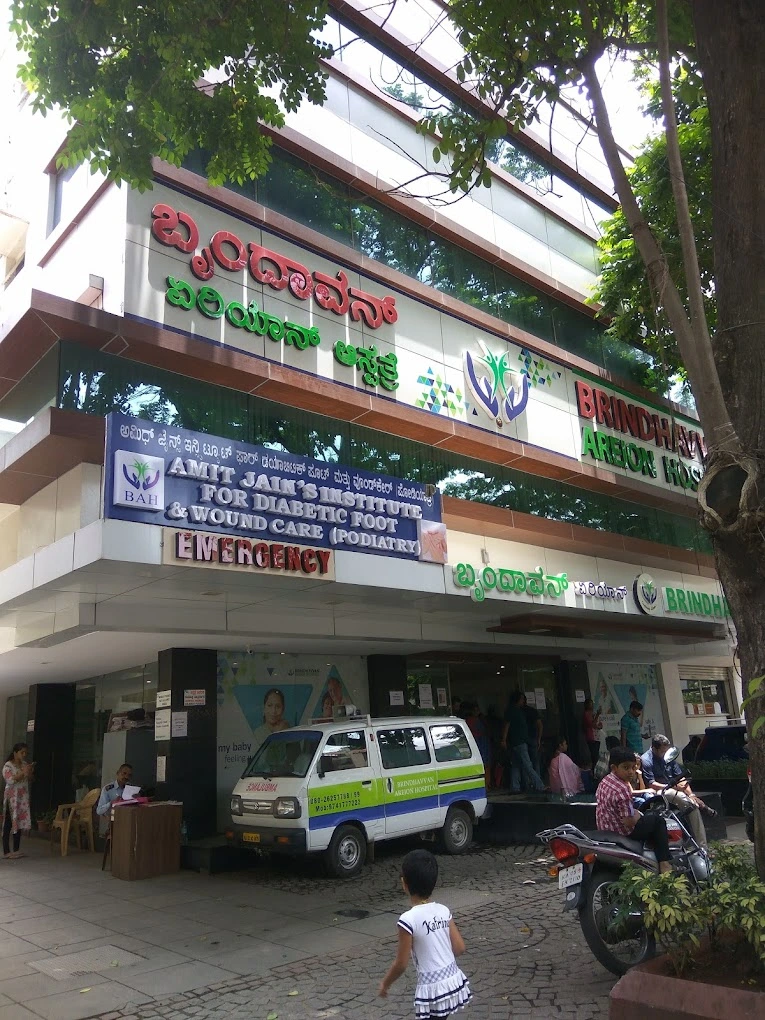
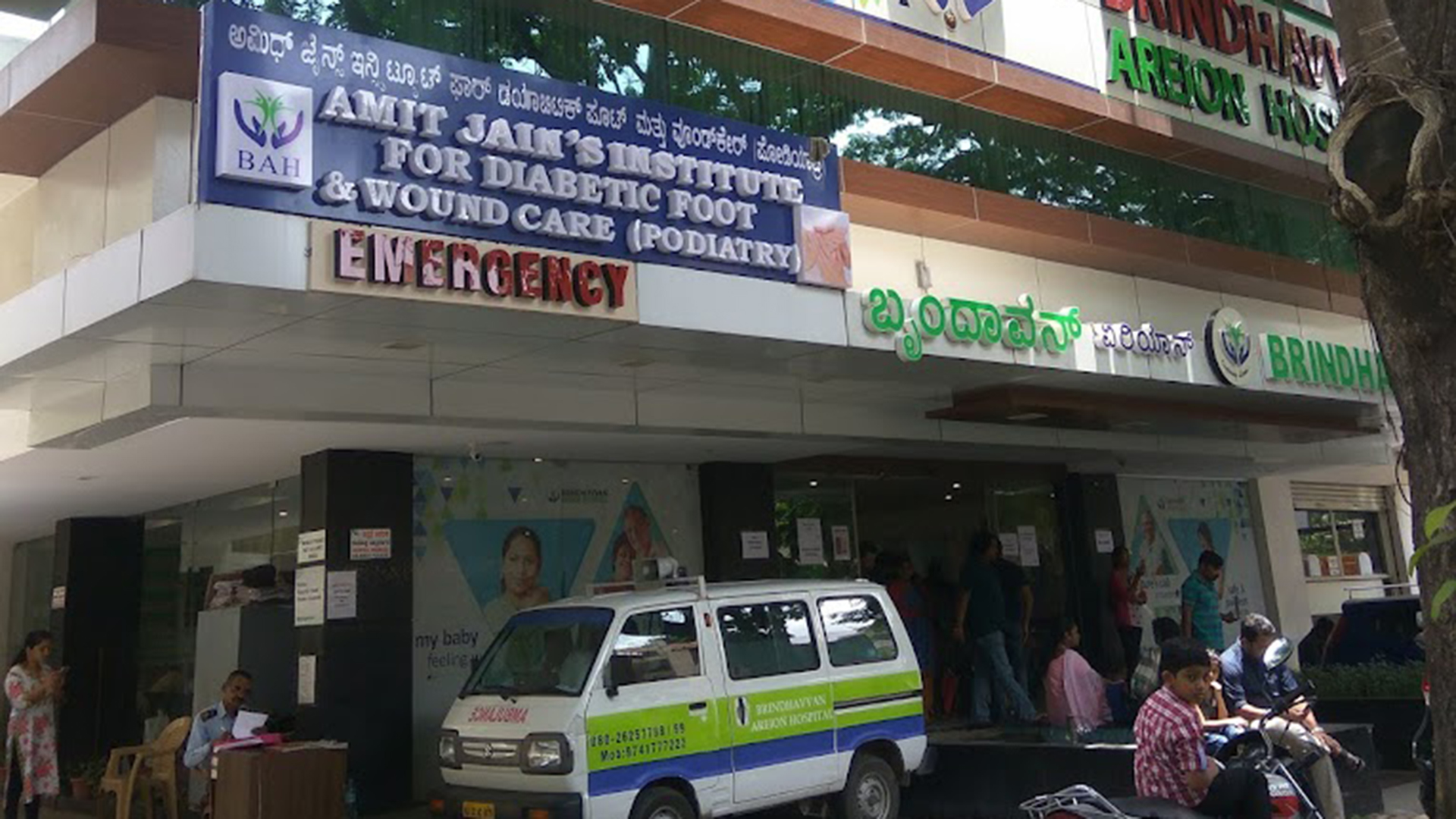
Why Choose Brindhavvan Areion Hospital for Laparoscopic Surgery in Chamrajpet
- Experienced general and laparoscopic surgeons with years of hands-on surgical expertise across hernia, gallbladder, and gastrointestinal procedures
- On-site diagnostic support, including ultrasound and lab testing, for faster pre-surgical evaluation
- Dedicated surgical care unit equipped to handle both elective and emergency general surgery cases
- 24/7 emergency and ambulance services, important for urgent conditions like acute appendicitis or gallbladder complications
- Post-operative physiotherapy support to aid faster, safer recovery
Frequently Asked Questions (FAQs)
1. Is laparoscopic surgery safe?
Yes, laparoscopic surgery is considered a safe and well-established surgical approach for a wide range of conditions, performed routinely by trained general surgeons worldwide. As with any surgery, your surgeon will discuss specific risks relevant to your individual case.
2. How long does it take to recover from laparoscopic gallbladder surgery?
Most patients recover within 1–2 weeks, with many returning to light work activities within a few days, depending on individual healing and the nature of their job.
3. Will I have visible scars after laparoscopic surgery?
Laparoscopic surgery involves small incisions, typically resulting in minimal, less noticeable scarring compared to traditional open surgery.
4. Can all hernias be treated laparoscopically?
Most hernias, including inguinal and umbilical hernias, can be treated laparoscopically, but the right approach depends on the hernia’s size, location, and your overall health — your surgeon will determine the most suitable method during consultation.
5. Is laparoscopic surgery more expensive than open surgery?
Costs can vary depending on the procedure and hospital, but many patients find the shorter hospital stay and faster return to work offset the overall cost difference. It’s best to discuss detailed cost estimates directly with the hospital before your procedure.
Book a Consultation
If you’ve been advised to consider surgery for a hernia, gallstones, or another abdominal condition, consult an experienced surgical team to understand whether laparoscopic surgery in Chamrajpet is the right option for you.
📞 Call: 080 26257700 📍 Visit: Brindhavvan Areion Hospital, 17, 4th Main Rd, Chamrajpet, Bengaluru, Karnataka 560018 🗓️ Book an Appointment Online
This blog is for informational purposes only and does not replace professional medical advice. Please consult a qualified surgeon for diagnosis and treatment tailored to your specific condition.