By Brindhavvan Areion Hospital, Chamrajpet, Bengaluru
A fever that refuses to go down, a body that aches from head to toe, a throat that burns and a tiredness that no amount of sleep fixes. If this sounds familiar, you may be dealing with a viral infection. Bengaluru’s changing weather, heavy monsoon showers, crowded commutes and packed neighbourhoods make viral illnesses very common across the city. Families in Chamrajpet, Basavanagudi, Gandhi Nagar, Chickpet and nearby areas often ask the same question: where can I get reliable viral infection treatment in Chamrajpet without long waits or confusion?
This guide explains what viral infections are, which ones are most common in Bangalore, how to recognise warning signs, how doctors diagnose them and what treatment really involves. It also tells you when home care is enough and when you should walk into a hospital without delay. At Brindhavvan Areion Hospital, a 24/7 multispecialty hospital in Chamrajpet, our doctors treat viral illnesses in adults, children and senior citizens every day.
What Is a Viral Infection?
A viral infection happens when a virus enters your body, multiplies inside your cells and triggers an immune response. That response is what makes you feel unwell, with fever, aches, fatigue, cough or stomach upset. Viruses spread through droplets in the air, contaminated food and water, mosquito bites, shared surfaces and close contact with an infected person.
The most important thing to understand is that viruses are not bacteria. Antibiotics do not kill viruses. Taking antibiotics for a simple viral fever does not help you recover faster, and it can cause side effects and contribute to antibiotic resistance. This is why a proper clinical examination matters. A doctor first decides whether your illness is viral, bacterial or something else, and then plans the right care. Most viral infections settle on their own in a few days with rest, fluids and symptom relief, but some can turn serious quickly, especially in children, older adults, pregnant women and people with diabetes, heart disease or low immunity.
Common Viral Infections Seen in Bangalore and Chamrajpet
While the list of viruses is long, a handful account for most hospital visits in the city:
- Common cold and viral upper respiratory infections: runny nose, sneezing, sore throat and mild fever. These are the most frequent viral illnesses and usually pass within a week.
- Influenza (flu): sudden high fever, chills, severe body ache, dry cough and exhaustion. Flu can be more serious than a cold and may lead to pneumonia in vulnerable people.
- Dengue: spread by Aedes mosquitoes that breed in clean stagnant water. Cases rise during and after the monsoon. It causes high fever, severe headache, pain behind the eyes, joint and muscle pain and sometimes a fall in platelet count.
- Chikungunya: also mosquito-borne, known for sudden fever with intense joint pain that can last for weeks.
- Viral gastroenteritis: vomiting, loose stools, stomach cramps and dehydration, often from contaminated food or water.
- Hepatitis A: a liver infection spread through unsafe food and water, causing fatigue, nausea, yellow eyes and dark urine.
- Hand, foot and mouth disease and other childhood viral fevers: common in schools and play groups, with fever, mouth sores and rashes.
- COVID-19 and other respiratory viruses: still circulate, with symptoms that overlap with flu and cold.
Because so many of these look alike in the first two days, it is risky to guess. A fever with body pain could be flu, dengue, chikungunya or even malaria or typhoid. That is why testing and a doctor’s assessment are important.
Symptoms of a Viral Infection You Should Not Ignore
Viral infections differ by virus, but the following signs are common:
- Fever, often with chills or sweating
- Body ache, joint pain and headache
- Sore throat, cough, runny or blocked nose
- Extreme tiredness and loss of appetite
- Nausea, vomiting or loose motions
- Skin rash, red eyes or mouth ulcers (in some viral illnesses)
Most people feel better within three to seven days. If your fever lasts longer than three days, keeps returning or you simply feel that something is not right, it is time to get examined.
When to See a Doctor Immediately: Red-Flag Signs
Some symptoms need urgent medical attention. Please visit a hospital the same day if you or a family member has any of the following:
- Fever lasting more than three days, or a very high fever that does not respond to medication
- Persistent vomiting, or inability to keep fluids down
- Severe stomach pain, especially with vomiting
- Bleeding from the gums or nose, black stools, or unusual bruising
- Breathlessness, chest pain or fast breathing
- Extreme drowsiness, confusion, fits or unusual irritability
- Very little urine, dry mouth, sunken eyes or cold hands and feet, which are signs of dehydration
- Fever in a newborn or infant, or a child who is not feeding or not responding normally
- Fever in a pregnant woman, an older adult or someone with diabetes, heart, kidney or lung disease
In suspected dengue, the days when the fever begins to settle can be the most dangerous, because warning signs may appear then. Do not assume you are recovering just because the temperature has dropped. If you are unsure, do not wait. Our emergency team is available round the clock at 080 26257700. You can also read about our 24/7 emergency services before you visit.
How Doctors Diagnose a Viral Infection
There is no single test for every viral infection. Diagnosis begins with listening to your history and a careful physical examination. Your doctor will ask about the duration of fever, travel, mosquito exposure, contact with sick people and food or water habits. Depending on your symptoms, the following investigations may be advised:
- Complete blood count (CBC): checks white cells, haemoglobin and platelet count, which is especially useful in dengue and other fevers.
- Dengue tests (NS1 antigen, IgM and IgG): to confirm or rule out dengue, depending on the day of illness.
- Malaria and typhoid tests: to exclude other common causes of fever in Bangalore.
- Liver and kidney function tests: to check how the body is coping, and to look for hepatitis.
- Urine and stool tests: to detect infection or dehydration in vomiting and diarrhoea.
- Chest X-ray or other imaging: if cough, breathlessness or pneumonia is suspected.
- Respiratory virus tests: such as flu or COVID-19 tests when clinically needed.
Our in-house pathology and radiology departments, along with the laboratory, X-ray and ultrasound facilities listed under our services, help your doctor reach a clear diagnosis quickly, so treatment can begin without a long delay.
Viral Infection Treatment in Chamrajpet at Brindhavvan Areion Hospital
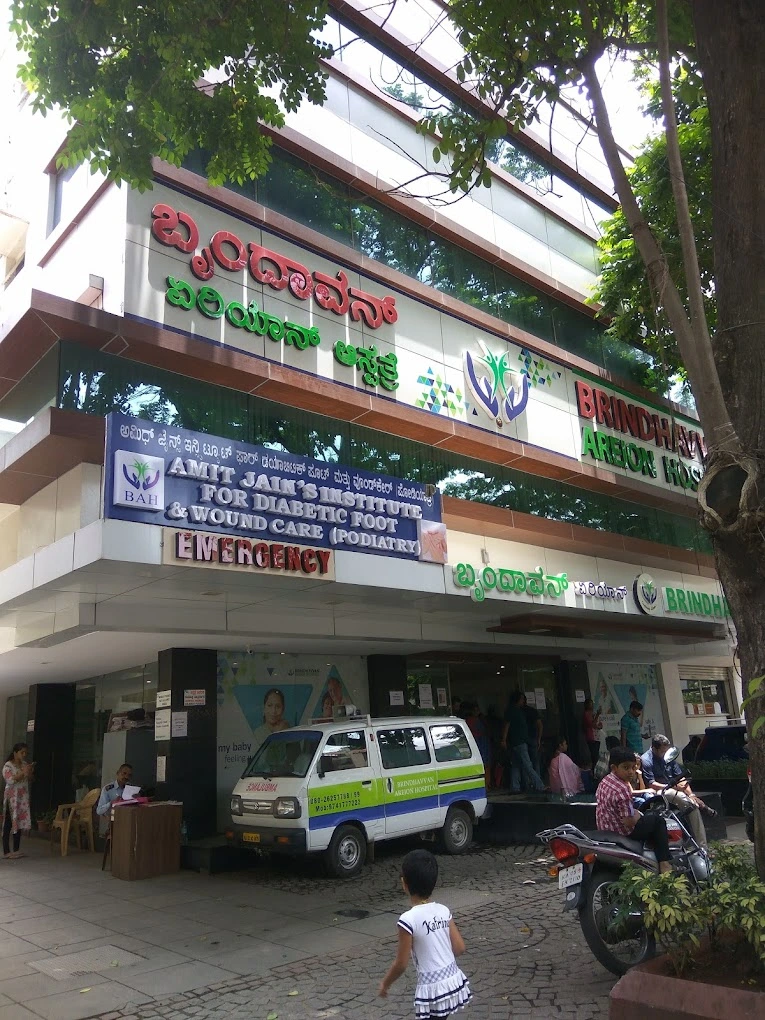
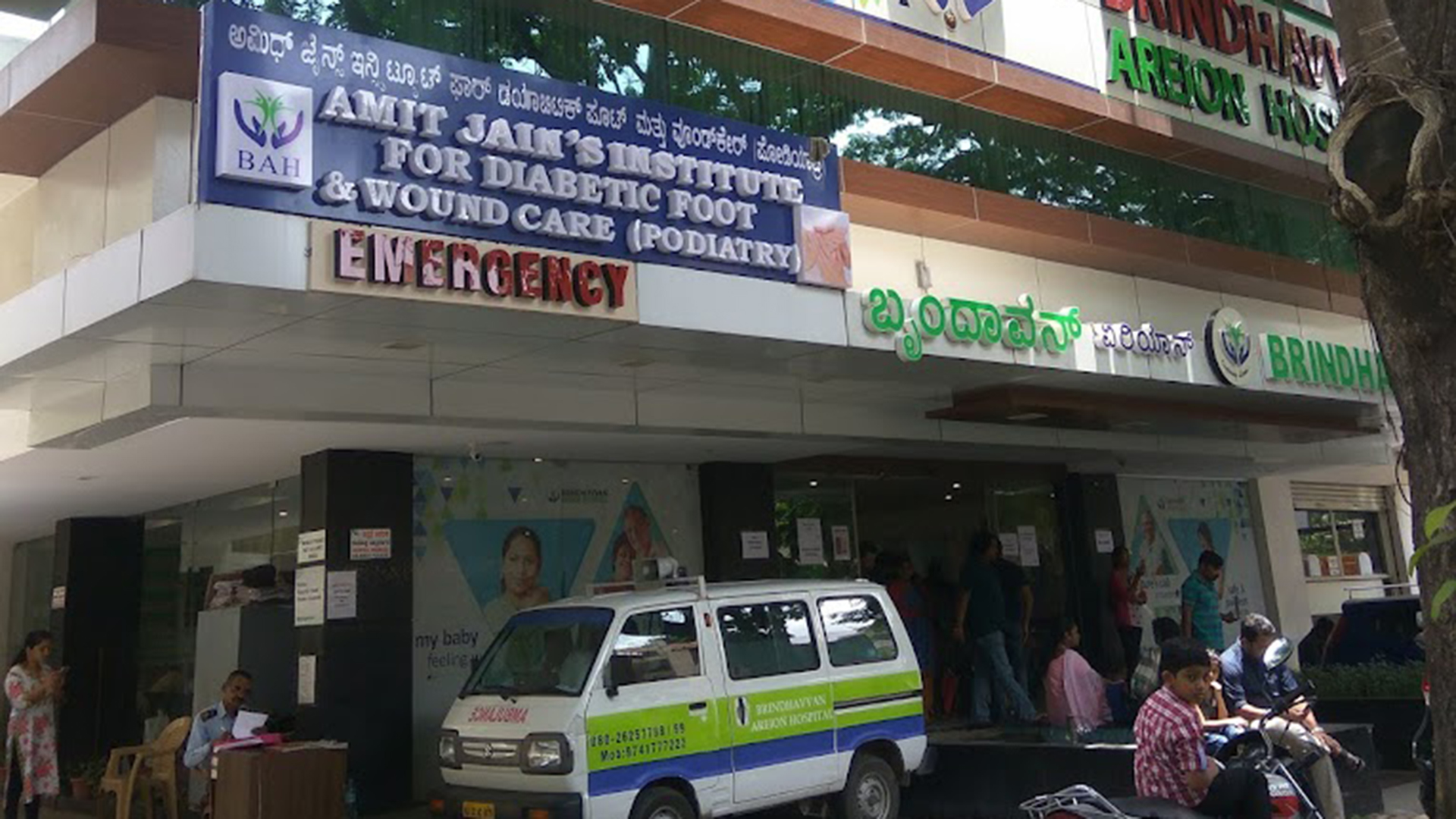
If you are searching for viral infection treatment in Chamrajpet, you want three things: an accurate diagnosis, treatment that matches the severity of your illness and a hospital that is available when you need it. Brindhavvan Areion Hospital, located at 17, 4th Main Road, Chamrajpet, Bengaluru 560018, has been serving families for more than three decades with round-the-clock care.
Here is how our approach works:
1. Consultation with the right specialist.
Adults with fever and infection symptoms are seen by our General Medicine team. Children are cared for by our Pediatric doctors, and infants who need extra attention are supported by Neonatology. If your illness affects the chest or throat, our Pulmonology and ENT departments are available for further evaluation.
2. Symptom-focused treatment.
Since most viruses have no specific cure, treatment focuses on easing symptoms and supporting the body while the immune system does its work. This includes fever control, pain relief, hydration and rest. Specific antiviral medicines are used only for certain infections, and only when a doctor decides they are needed.
3. Monitoring and observation.
In illnesses like dengue, regular blood counts and clinical monitoring are essential. Patients who need closer observation, intravenous fluids or supportive care can be admitted to our inpatient wards.
4. Critical care when required.
In rare cases, a viral infection can cause severe dehydration, breathing difficulty, low platelets with bleeding, or organ stress. Our Critical Care units, including adult, paediatric and neonatal intensive care, are ready to step in.
5. Clear guidance and follow-up.
Our doctors explain what to expect, which symptoms to watch for and when to return. Patients often tell us that the time spent listening and explaining makes the biggest difference. You can see what families say on our patient care page, and you can meet our doctors before booking.
Whether you live in Chamrajpet or travel from elsewhere in Bangalore, you can book an appointment online or call 080 26257700.
Home Care Tips While You Recover
If your doctor has confirmed a mild viral infection and says home care is suitable, these steps help:
- Rest well. Your body heals while you rest. Avoid going to work or school until the fever is gone and you feel stronger.
- Drink plenty of fluids. Water, ORS, coconut water, clear soups, buttermilk and rice kanji help prevent dehydration. Sip small amounts often if you feel nauseous.
- Eat light, freshly cooked food. Khichdi, idli, curd rice, fruit and soft vegetables are easy to digest.
- Use fever medicine only as advised. Paracetamol is generally used for fever, but the dose depends on age and weight, so follow your doctor’s advice.
- Avoid self-medicating with painkillers like ibuprofen or aspirin when dengue is possible, as they can increase bleeding risk. Never give aspirin to children.
- Do not start antibiotics on your own. They do not work on viruses.
- Steam inhalation and warm salt-water gargles can soothe a blocked nose and sore throat.
- Protect others. Cover your mouth when you cough, wash hands often and keep a distance from children, elderly family members and pregnant women while you are sick.
- Keep a symptom diary. Note the temperature, fluid intake, urine output and any new symptoms. This helps your doctor decide the next step.
If you feel worse at any point, return to the hospital rather than waiting it out at home.
Viral Infections in Children, Older Adults and Pregnant Women
Children catch viral infections more often because their immunity is still developing and they mix closely in schools and play areas. The biggest risks are dehydration and fever-related discomfort. Watch for a child who is unusually sleepy, refuses fluids, breathes fast or passes very little urine. Please consult a paediatrician promptly instead of giving medicines on your own. Our paediatric department is equipped to care for children from newborns to adolescents.
Older adults may not show a high fever even when seriously ill. A viral infection can worsen existing conditions like diabetes, heart disease or lung disease, so early evaluation is important. Our blog on diabetes and general physician care in Chamrajpet explains why people with long-term conditions should not delay a checkup during fever.
Pregnant women should always consult their gynaecologist when they have fever or infection symptoms, as some viral illnesses can affect both mother and baby. Our OBG and Gynae department offers round-the-clock maternity care.
How to Prevent Viral Infections in Bangalore
Prevention is always better than treatment, and many viral illnesses can be avoided with simple habits:
- Wash your hands with soap and water for at least 20 seconds, especially before meals and after using the toilet.
- Prevent mosquito breeding. Do not let water collect in buckets, coolers, plant trays, tyres or terraces. Empty and scrub containers weekly. Use nets, repellents and full-sleeve clothing during peak mosquito hours.
- Drink safe water and eat fresh food. Choose boiled or filtered water, and avoid uncovered street food during the monsoon season.
- Get vaccinated. Annual flu vaccination, hepatitis A and other age-appropriate vaccines protect you and your family. Your doctor can advise what suits you. Our paediatric and maternity teams also provide vaccinations.
- Maintain good immunity. Sleep well, eat a balanced diet with fruits and vegetables, stay active and manage stress.
- Avoid close contact with sick people and stay home when you are unwell.
- Go for regular health checkups. A preventive screening can detect hidden problems early. Explore our health check-up packages, which include same-day reports.
Why Choose Brindhavvan Areion Hospital for Viral Fever and Infection Care?
- 24/7 availability: emergency care, pharmacy, diagnostics and maternity services are open day and night.
- Multispecialty support under one roof: from general medicine and paediatrics to critical care and pulmonology.
- In-house diagnostics: laboratory, X-ray, ultrasound and CT scan facilities that speed up diagnosis.
- Experienced doctors: a team that listens, explains and treats with patience.
- Insurance assistance: help with admission and medical insurance processes.
- Convenient location: easily reachable for residents of Chamrajpet, Basavanagudi, Chickpet, Gandhi Nagar, Vijayanagar and other parts of Bangalore. You can find us on the contact page.
If you want to understand more about our hospital, visit the About Us page or browse all our departments.
Frequently Asked Questions (FAQs)
1. Where can I get the best viral infection treatment in Chamrajpet?
Brindhavvan Areion Hospital on 4th Main Road, Chamrajpet, offers consultation, diagnostic tests, inpatient care and intensive care for viral infections, all available 24/7. You can book online or call 080 26257700.
2. How long does a viral infection last?
Most common viral infections such as a cold or mild viral fever settle in three to seven days. Some, like chikungunya joint pain or post-viral weakness, can take longer. If symptoms last beyond three days or worsen, see a doctor.
3. Do I need antibiotics for a viral fever?
No. Antibiotics work against bacteria, not viruses. Your doctor will prescribe them only if a bacterial infection is also present.
4. How do I know if it is viral fever or dengue?
The early symptoms look alike, so it is hard to tell at home. Dengue often causes severe body pain, pain behind the eyes and a drop in platelets. A blood test such as NS1 antigen and a platelet count help confirm it. Please get tested rather than guess.
5. When should I go to the hospital for viral fever?
Go immediately if you have fever for more than three days, repeated vomiting, severe stomach pain, bleeding, breathlessness, drowsiness, very little urine or if the patient is an infant, a pregnant woman or an older adult.
6. Can viral infections spread to family members?
Yes. Cold, flu and several other viruses spread through droplets and contact. Dengue and chikungunya do not spread directly from person to person but through mosquito bites. Good hygiene, covering coughs and mosquito control reduce the spread.
7. What should I eat during a viral infection?
Choose light, easily digestible food and plenty of fluids, such as ORS, soups, kanji, curd rice, fruit and coconut water. Avoid very oily, spicy or street food until you recover.
8. Is viral infection treatment in Bangalore covered by health insurance?
Many insurance plans cover hospital admission for viral illnesses when admission is medically needed. Our team helps with insurance paperwork. Check the details on our patient care page or ask at the reception desk.
9. Can children get the same viral infections as adults?
Yes, and often more frequently. Children need extra care because they dehydrate faster. Always consult a paediatrician for fever in a child, especially infants.
10. Are health check-ups useful after a viral illness?
If you have felt unusually tired for long after an infection, or you have a long-term condition, a follow-up checkup can help ensure you have fully recovered.
Final Thoughts
Viral infections are a part of life in a busy city like Bangalore, and most of them pass with rest and good care. But the difference between a simple fever and a serious illness is not always obvious, and delays can cost you. Knowing the warning signs, getting the right tests and seeing a doctor early can protect you and your family.
If you need dependable viral infection treatment in Chamrajpet, Brindhavvan Areion Hospital is here for you, day and night. Our doctors, diagnostic team and critical care units work together to help you recover safely and quickly.
Book your appointment today: click here to book online or call 080 26257700.
Disclaimer: This article is for general awareness only and is not a substitute for professional medical advice. Please consult a qualified doctor for diagnosis and treatment.