
Chest discomfort is one of those symptoms almost everyone brushes off at first. It’s easy to blame it on gas, stress, or a heavy meal, and most of the time, that assumption turns out to be right. But chest pain is also the single most common symptom people ignore before a serious cardiac event — which is exactly why knowing the difference matters. If you’re in Chamrajpet, Basavanagudi, or nearby areas and have been reaching for antacids more often than you’d like to admit, this guide will help you understand when it’s genuinely nothing, and when it’s time to see a cardiologist in Chamrajpet.
Why Chest Pain Is So Often Misread
The chest houses several organs close together — the heart, lungs, esophagus, and stomach — and pain signals from any of them can feel remarkably similar. Acid reflux, muscle strain, anxiety, and heart-related pain can all present as a tight, burning, or pressing sensation in the same general area. This overlap is precisely why so many people delay seeking care: the symptom pattern for a minor issue and a serious one can look almost identical in the early stages.
This is also why self-diagnosis, however well-intentioned, is unreliable. A heart specialist near Basavanagudi doesn’t just rely on how the pain feels — they combine your symptom pattern with risk factors, examination findings, and diagnostic tests to reach a conclusion that guesswork simply can’t replicate.
Common Causes of Chest Discomfort
1. Acid Reflux and Gastritis
This is the most frequent reason people mistake heart-related pain for indigestion — and vice versa. Reflux typically causes a burning sensation that worsens after eating, when lying down, or at night, and often improves with antacids.
2. Musculoskeletal Strain
Pain from strained chest muscles or costochondritis (inflammation of the cartilage connecting ribs to the breastbone) tends to worsen with movement, deep breaths, or pressing on the area — a pattern true cardiac pain rarely follows.
3. Anxiety and Panic Episodes
Anxiety can produce a tight, pressing chest sensation along with a racing heart, shortness of breath, and sweating — symptoms that overlap significantly with a cardiac event, which is part of why anxiety-related chest pain is often taken to an emergency room rather than dismissed.
4. Angina
Angina occurs when the heart muscle isn’t getting enough oxygen-rich blood, usually due to narrowed arteries. It typically presents as a squeezing or pressure sensation, often triggered by exertion and relieved by rest.
5. Heart Attack (Myocardial Infarction)
A heart attack involves a sudden blockage in blood flow to part of the heart muscle. The pain is often described as crushing or heavy pressure, sometimes radiating to the arm, jaw, or back, and doesn’t resolve with rest.
Red Flags: When Chest Pain Is a Medical Emergency
Certain features of chest pain should never be managed with home remedies or “waiting it out.” Seek immediate medical attention if you experience:
- Pain that radiates to the arm, shoulder, neck, jaw, or back
- Chest pressure accompanied by shortness of breath, sweating, or nausea
- Pain that doesn’t improve or worsens over 15–20 minutes
- Sudden chest pain in someone with diabetes, high blood pressure, or a family history of heart disease
- Chest discomfort combined with dizziness or fainting
- Pain that started during physical exertion and hasn’t eased with rest
If any of these apply, this is not the time to search for a chest pain doctor in Bangalore online — it’s the time to get to an emergency room immediately.
When Antacids Aren’t the Answer
A useful pattern to watch for: if antacids reliably relieve your discomfort within 15–30 minutes, and the pain correlates clearly with meals or lying down, reflux is the more likely explanation. But if you find yourself taking antacids more frequently, if relief is partial or inconsistent, or if the discomfort appears during physical activity rather than after eating, that inconsistency itself is a signal worth acting on.
This is particularly true if you fall into a higher-risk category — over 40, diabetic, hypertensive, a smoker, overweight, or with a family history of heart disease. In these groups, what looks like recurring “acidity” deserves a proper cardiac evaluation rather than an escalating antacid habit.
What a Cardiology Consultation Involves
Seeing a cardiologist in Chamrajpet for chest discomfort doesn’t automatically mean invasive testing. A first consultation typically includes:
- A detailed history — when the pain occurs, what triggers or relieves it, and your personal and family risk factors.
- A physical examination, including blood pressure and basic vital checks.
- An ECG (Electrocardiogram), a quick, painless test that records your heart’s electrical activity to check for irregularities.
- Echocardiography, an ultrasound-based scan that assesses how well your heart muscle and valves are functioning.
- A Stress Test (TMT), if needed, to evaluate how your heart performs under physical exertion — often the most useful test for catching issues that don’t show up at rest.
Most of these tests are quick, non-invasive, and can be completed in a single visit, giving you a clear answer rather than continued uncertainty.
Risk Factors Worth Knowing
Certain factors substantially increase the likelihood that recurring chest discomfort is cardiac in origin:
- Age — risk increases notably after 40, especially for men, and after menopause for women
- Diabetes — can mask typical chest pain symptoms, making “silent” cardiac issues more common
- High blood pressure and high cholesterol — both accelerate artery narrowing over time
- Smoking — significantly raises the risk of blocked arteries
- Family history — a parent or sibling with early heart disease raises personal risk
- Sedentary lifestyle and high stress — contribute independently to cardiac strain over time
If two or more of these apply to you alongside recurring chest discomfort, that combination alone is a reasonable basis to book a cardiology check-up rather than waiting for a more dramatic symptom to appear.
Prevention and Heart Health Habits
Whether or not your current chest discomfort turns out to be cardiac, these habits reduce long-term risk for everyone:
- Get moving daily — even 30 minutes of brisk walking most days measurably supports heart health
- Watch your salt and processed food intake — both contribute to blood pressure over time
- Don’t skip your annual check-up — blood pressure, cholesterol, and blood sugar are often “silent” until symptoms appear
- Manage stress actively — chronic stress has a measurable physiological effect on cardiovascular health
- Quit smoking — this single change produces one of the largest risk reductions available
- Know your numbers — blood pressure, cholesterol, and blood sugar readings tell you far more than how you feel day to day
Living with a Cardiac Diagnosis: What Changes and What Doesn’t
Getting a cardiac diagnosis — even a manageable one like well-controlled angina — can feel overwhelming at first. It’s worth knowing that a diagnosis is not the same as a life sentence of restriction. Most people with diagnosed heart conditions continue working, exercising within recommended limits, and living largely normal lives, provided the condition is actively monitored and managed rather than ignored.
What typically changes is a shift from reactive to proactive health management: regular follow-up appointments instead of only visiting a doctor when something feels wrong, consistent medication adherence rather than stopping treatment once symptoms improve, and closer attention to diet and activity levels. What usually doesn’t need to change is your overall independence — most cardiac conditions, once properly managed, allow people to continue their daily routines with appropriate precautions rather than major lifestyle upheaval. The biggest risk factor after a diagnosis isn’t the condition itself, but discontinuing follow-up care once the initial concern feels resolved.
Why Choose Brindhavvan Areion Hospital for Cardiology Care
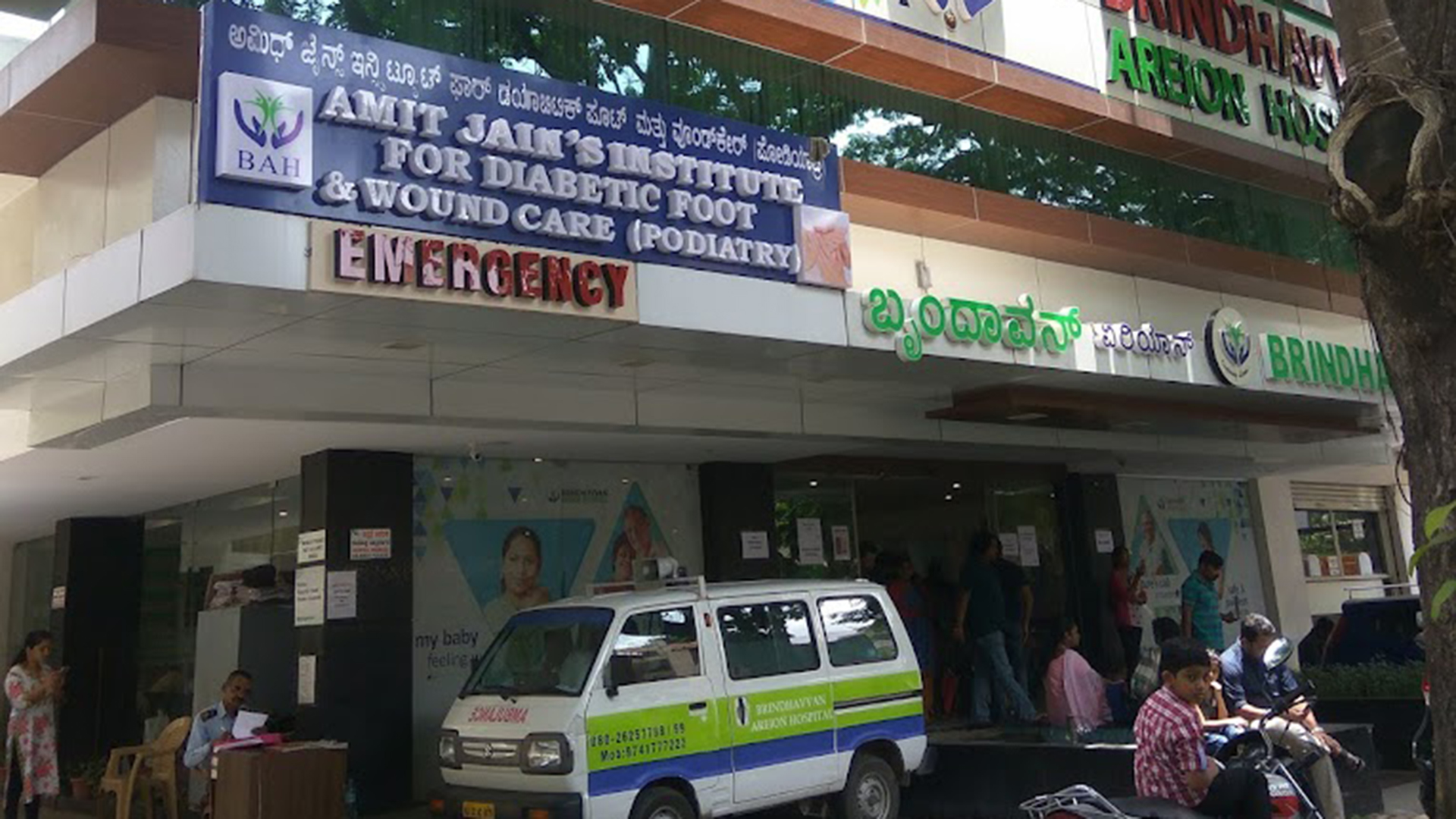
At Brindhavvan Areion Hospital in Chamrajpet, our cardiology department offers on-site ECG, echocardiography, and stress testing (TMT), so most chest pain evaluations can be completed without being referred elsewhere. With 36 years of serving the Chamrajpet and Basavanagudi community, our focus is on giving patients a clear, timely answer — not leaving them to guess whether their symptoms are serious.
If chest discomfort has become a recurring part of your week, or if antacids aren’t giving you the relief they once did, it’s worth having it properly checked rather than managed indefinitely at home.
Book a cardiology consultation today, or visit our doctors page to find the right specialist for you.
Frequently Asked Questions
1. How can I tell if my chest pain is from gas or my heart?
Gas-related or reflux pain typically worsens after eating or when lying down, and often improves with antacids within 15–30 minutes. Cardiac pain is more often triggered by physical exertion, doesn’t reliably respond to antacids, and may come with additional symptoms like shortness of breath, sweating, or pain radiating to the arm or jaw. If you’re unsure, it’s safer to get it evaluated than to guess.
2. At what age should I start getting regular heart check-ups?
Most doctors recommend baseline cardiac risk screening from age 30–35 onward, especially if you have a family history of heart disease, diabetes, or high blood pressure. Without those risk factors, annual general check-ups from your mid-30s onward are a reasonable starting point.
3. Is chest pain during exercise always serious?
Not always, but it should never be ignored. Chest pain that appears during exertion and eases with rest — a classic pattern of angina — needs evaluation even if it resolves on its own, since it often signals reduced blood flow to the heart that can worsen without treatment.
4. Can young, otherwise healthy people have heart problems?
Yes. While risk increases with age, cardiac issues in people under 40 are not rare, particularly with risk factors like smoking, diabetes, high stress, or a strong family history. Chest pain shouldn’t be dismissed purely based on age.
5. What tests are typically done for chest pain evaluation?
A standard evaluation usually includes an ECG to check heart rhythm, an echocardiogram to assess heart structure and function, and sometimes a stress test (TMT) to see how the heart performs under exertion. Most of these are quick and non-invasive.
6. Should I go to the ER or book a cardiology appointment?
If your chest pain is sudden, severe, radiates to your arm or jaw, or comes with shortness of breath, sweating, or dizziness, go to the emergency room immediately — don’t wait for a scheduled appointment. For recurring, milder discomfort without these red-flag symptoms, a booked cardiology consultation is the appropriate next step.
7. Does a normal ECG mean my heart is definitely fine?
Not necessarily. An ECG captures your heart’s activity at that specific moment, and some issues — particularly those triggered by exertion — may not show up on a resting ECG. This is why a stress test or further evaluation is sometimes recommended even after a normal ECG, especially if your symptom pattern suggests a cardiac cause.
Brindhavvan Areion Hospital, Chamrajpet, Bengaluru — 36 Years of Medical Excellence. For cardiology consultations, call 080-26257700 or book an appointment online.