Kidney disease has a well-earned reputation as a “silent” condition. Unlike a sprained ankle or a stomach bug, early kidney damage often produces no obvious symptoms at all — by the time fatigue, swelling, or changes in urination become noticeable, a significant amount of kidney function may already be affected. This makes awareness genuinely important, not just for people with existing risk factors, but for anyone who hasn’t had their kidney function checked in a while. If you’re in Chamrajpet, Basavanagudi, or Banashankari and wondering whether it’s time to see a nephrologist in Chamrajpet, this guide walks through the warning signs, risk factors, and what nephrology and dialysis care actually involve.
What Your Kidneys Actually Do
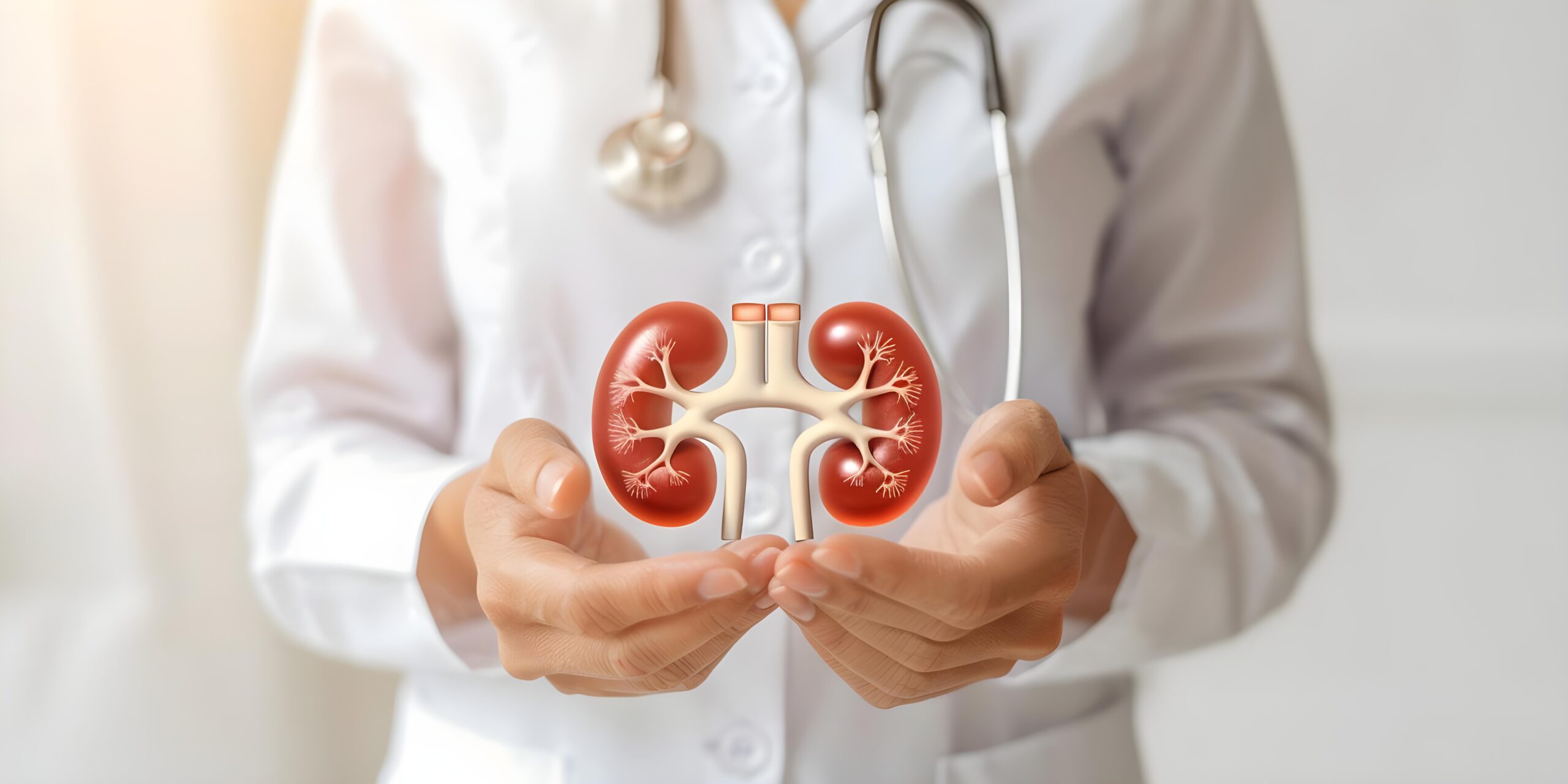
The kidneys are two bean-shaped organs responsible for filtering waste and excess fluid from your blood, regulating blood pressure, balancing electrolytes, and producing hormones that support red blood cell production and bone health. When kidney function declines, waste products build up in the bloodstream, fluid balance is disrupted, and multiple body systems are affected — which is why kidney disease symptoms can look surprisingly unrelated to the kidneys themselves at first glance.
Early Warning Signs of Kidney Trouble
Because early kidney disease is often symptom-free, the signs that do appear are easy to attribute to something else. Watch for:
- Persistent fatigue and low energy — as waste builds up in the blood, it commonly causes tiredness that doesn’t improve with rest
- Swelling in the legs, ankles, or around the eyes — a sign the kidneys aren’t effectively removing excess fluid
- Changes in urination — including foamy urine, reduced frequency, urinating more at night, or blood in the urine
- Persistent high blood pressure that’s difficult to control with standard treatment
- Loss of appetite or a metallic taste in the mouth
- Muscle cramps, particularly in the legs
- Dry, itchy skin that doesn’t respond to typical skincare
- Difficulty concentrating or a general sense of mental fog
None of these symptoms alone confirms kidney disease, but if you’re experiencing several together — especially alongside diabetes or high blood pressure — it’s worth having your kidney function formally checked rather than attributing each symptom separately.
Who Is Most at Risk
Certain groups have a substantially higher likelihood of developing kidney disease and should be screened more proactively:
Diabetics
Diabetes is the leading cause of kidney disease worldwide. High blood sugar levels over time damage the small blood vessels in the kidneys responsible for filtration, making regular kidney function tests essential for anyone with diabetes, even without symptoms.
People with High Blood Pressure
Uncontrolled hypertension puts continuous strain on the kidneys’ delicate filtering structures. Kidney disease and high blood pressure often form a cycle — each one worsening the other over time if left unmanaged.
Individuals with a Family History
A family history of kidney disease, including conditions like polycystic kidney disease, meaningfully raises personal risk and generally warrants earlier and more frequent screening.
People Over 60
Kidney function naturally declines somewhat with age, and this decline can accelerate when combined with other risk factors like diabetes or long-term medication use.
Frequent Users of Painkillers
Regular, long-term use of certain over-the-counter pain medications can gradually affect kidney function, particularly when combined with dehydration or other risk factors.
Understanding Chronic Kidney Disease (CKD)
Chronic kidney disease refers to the gradual, long-term loss of kidney function, typically measured in stages based on how well the kidneys are filtering blood. In the earlier stages, most people feel completely normal, which is exactly why routine blood and urine tests — rather than waiting for symptoms — are the most reliable way to catch CKD early. As the disease progresses through the later stages, symptoms become more noticeable, and treatment shifts toward slowing further decline and managing complications like high blood pressure, anemia, and fluid retention.
When Dialysis Becomes Necessary
Dialysis is a treatment that takes over the kidneys’ filtering function when kidney disease has progressed to a point where the kidneys can no longer adequately clear waste and excess fluid on their own — typically referred to as kidney failure or end-stage renal disease. It’s important to understand that dialysis is not the outcome for everyone diagnosed with kidney disease; many people manage CKD for years, even decades, with medication, dietary changes, and monitoring alone.
When dialysis is required, there are two main approaches:
Hemodialysis filters the blood using a machine, typically performed at a dialysis center several times a week for a few hours per session.
Peritoneal dialysis uses the lining of the abdomen as a natural filter, and can often be performed at home with proper training, offering more flexibility for some patients.
The right approach depends on individual health factors, lifestyle, and a detailed discussion with a nephrologist about what fits your circumstances best.
What a Nephrology Consultation Involves
Visiting a nephrologist in Chamrajpet typically starts with a straightforward, non-invasive evaluation:
- A detailed medical history, including diabetes, blood pressure, family history, and current medications
- Blood tests, particularly creatinine and eGFR (estimated glomerular filtration rate), which indicate how well your kidneys are filtering waste
- Urine tests, checking for protein or blood, which can be early indicators of kidney damage
- Blood pressure monitoring, since kidney and blood pressure health are closely linked
- Imaging (if needed), such as an ultrasound, to check kidney structure and rule out blockages or structural issues
For most people, especially those without acute symptoms, this initial evaluation is quick and can provide significant reassurance — or catch an issue early enough that lifestyle and medication changes alone can meaningfully slow its progression.
Protecting Your Kidney Health
Whether or not you currently have risk factors, these habits support long-term kidney health:
- Manage blood sugar and blood pressure diligently if you have diabetes or hypertension — this is the single most impactful step for most people
- Stay adequately hydrated, but avoid excessive intake of sugary or caffeinated beverages
- Limit salt and processed food intake, both of which place extra strain on kidney filtration
- Avoid overusing over-the-counter painkillers without medical guidance
- Get an annual kidney function test if you’re over 40, diabetic, hypertensive, or have a family history of kidney disease
- Maintain a healthy weight, since obesity is an independent risk factor for kidney disease
- Don’t ignore persistent swelling or changes in urination — these are your kidneys’ way of signaling that something needs attention
Diet and Kidney Health: What Actually Helps
Diet plays a meaningful role in both preventing kidney disease and managing it once diagnosed, though the right approach depends heavily on your specific stage and any other conditions like diabetes. For most people looking to protect kidney health proactively, the guidance is fairly consistent: reduce sodium intake to ease the workload on your kidneys’ filtering system, moderate protein intake rather than following high-protein trends without medical guidance, and prioritize whole foods over heavily processed ones, which tend to be both high in sodium and phosphorus additives.
For those already managing CKD, dietary needs often become more specific and individualized — potassium, phosphorus, and fluid intake may all need adjustment depending on your stage and lab results. This is exactly why generic “kidney-friendly diet” advice found online can sometimes do more harm than good; a diet appropriate for early-stage CKD can be quite different from one appropriate for advanced disease. Working directly with a nephrologist or renal dietitian to tailor recommendations to your actual lab values is far more effective than following general guidelines in isolation.
Why Choose Brindhavvan Areion Hospital for Nephrology and Dialysis Care
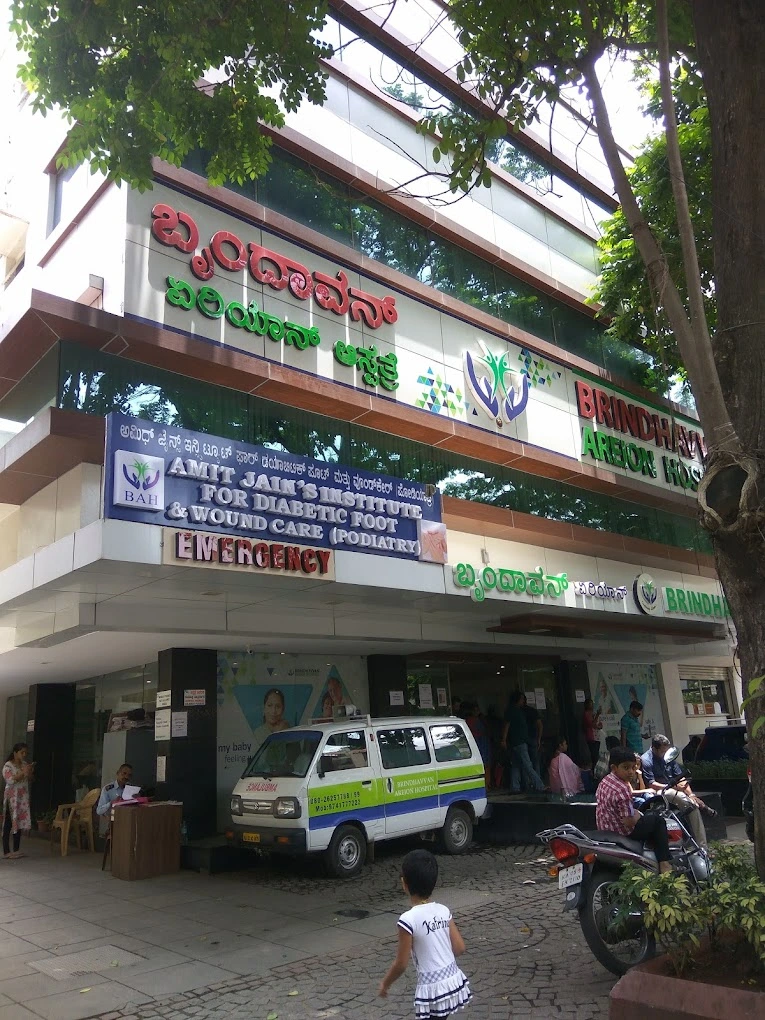
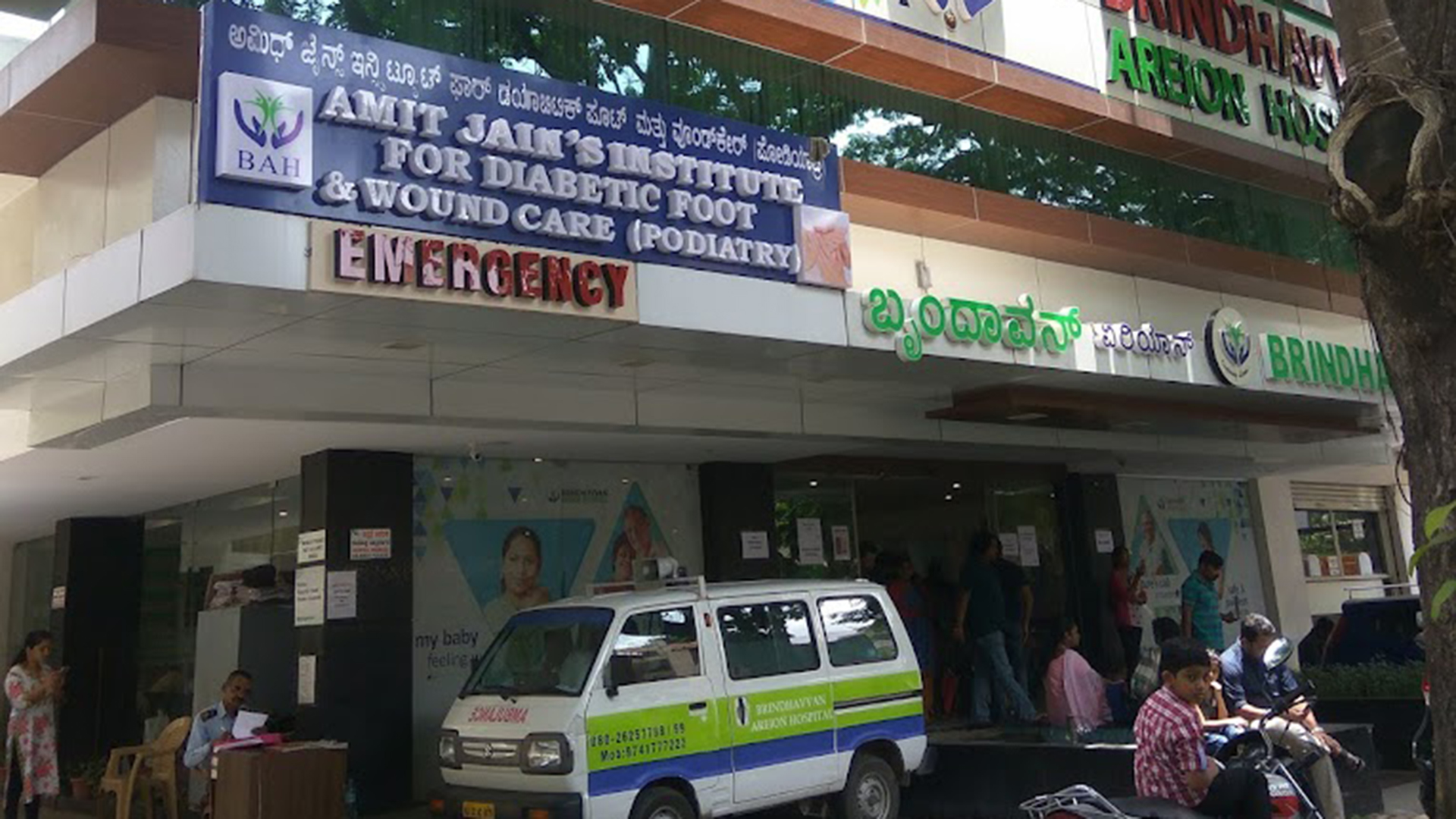
At Brindhavvan Areion Hospital in Chamrajpet, our nephrology department provides comprehensive kidney function testing, ongoing CKD management, and dialysis services for patients across Chamrajpet, Basavanagudi, and Banashankari. With 36 years of experience serving this community, our approach emphasizes early detection and consistent monitoring — because kidney disease managed early looks very different from kidney disease caught late.
If you have diabetes, high blood pressure, a family history of kidney disease, or any of the warning signs described above, a kidney function check is a simple, low-effort step that can make a meaningful difference.
Book a nephrology consultation today, or explore our dialysis services to learn more.
Frequently Asked Questions
1. What are the earliest signs of kidney disease?
Early kidney disease is often symptom-free, which is why it’s frequently caught only through blood and urine tests. When symptoms do appear, they tend to include fatigue, swelling in the legs or around the eyes, foamy urine, and changes in urination frequency — but these are often subtle and easy to attribute to other causes.
2. How often should diabetics get their kidneys checked?
Most guidelines recommend annual kidney function testing (blood creatinine/eGFR and urine protein) for people with diabetes, since diabetes is the leading cause of kidney disease and early damage typically produces no symptoms.
3. Does chronic kidney disease always lead to dialysis?
No. Many people with chronic kidney disease manage the condition for years with medication, dietary adjustments, and regular monitoring without ever requiring dialysis. Dialysis becomes necessary only when kidney function declines to a point where it’s no longer sufficient to maintain health on its own.
4. Can kidney damage be reversed?
It depends on the cause and stage. Acute kidney injury from a temporary cause, like dehydration or certain medications, can sometimes be reversed with prompt treatment. Chronic kidney disease, however, generally cannot be reversed, but its progression can often be significantly slowed with early intervention.
5. What’s the difference between hemodialysis and peritoneal dialysis?
Hemodialysis filters blood through a machine, typically at a dialysis center several times weekly. Peritoneal dialysis uses the lining of the abdomen to filter blood and can often be done at home. The right choice depends on individual health, lifestyle, and a detailed discussion with your nephrologist.
6. Is a family history of kidney disease something I should mention to my doctor even without symptoms? Yes. A family history of kidney disease, including conditions like polycystic kidney disease, raises your personal risk and generally warrants earlier and more frequent screening, even in the complete absence of symptoms.
7. Are painkillers really that harmful to kidneys? Occasional use of common over-the-counter painkillers is generally safe for most people with healthy kidneys. However, frequent, long-term use — especially combined with dehydration, existing kidney issues, or other risk factors — can gradually affect kidney function, which is why it’s worth discussing regular painkiller use with your doctor.
Brindhavvan Areion Hospital, Chamrajpet, Bengaluru — 36 Years of Medical Excellence. For nephrology and dialysis consultations, call 080-26257700 or book an appointment online.