By Brindhavvan Areion Hospital, Chamrajpet, Bengaluru
Most people who have high blood pressure do not know it. There is no pain, no warning and often no symptom at all, which is exactly why doctors call it the silent killer. Meanwhile, the pressure quietly strains your heart, damages your blood vessels and puts your brain, kidneys and eyes at risk. In a fast-moving city like Bangalore, where long working hours, traffic stress, irregular meals, salty snacks and little exercise are part of daily life, hypertension is becoming common even in people in their thirties.
The good news is that high blood pressure can be controlled. With the right diagnosis, a sensible lifestyle and regular follow-up, most people live long, healthy lives. If you are looking for dependable high blood pressure treatment in Chamrajpet, this guide explains what hypertension is, what causes it, how it is diagnosed, how it is treated and what you can do at home. It also shows how the doctors at Brindhavvan Areion Hospital, a 24/7 multispecialty hospital in Chamrajpet, can help you and your family.
What Is High Blood Pressure?
Blood pressure is the force with which blood pushes against the walls of your arteries as your heart pumps it around the body. It is written as two numbers, for example 120/80 mmHg:
- Systolic pressure (top number): the pressure when the heart contracts and pumps blood out.
- Diastolic pressure (bottom number): the pressure when the heart relaxes between beats.
When this force stays too high for too long, the condition is called hypertension. The heart has to work harder, arteries become stiff and narrow, and organs receive blood under constant strain. Over the years, this can lead to serious problems. Unlike a fever or a cold, high blood pressure does not go away on its own. It needs to be managed, often for life, and the earlier you begin, the better your outcome.
Blood Pressure Ranges: What Do Your Numbers Mean?
Doctors generally use the following guide for adults. Your doctor will interpret your readings in the context of your age, other health conditions and repeated measurements.
- Normal: below 120/80 mmHg
- Elevated: 120 to 129 systolic with diastolic below 80
- High blood pressure (hypertension): 130/80 or higher on repeated readings by many guidelines, and 140/90 or higher in the traditional definition
- Hypertensive crisis: 180/120 or higher, which can be an emergency, especially with symptoms such as chest pain, breathlessness, severe headache, confusion or weakness
A single high reading does not always mean you have hypertension. Blood pressure goes up with stress, pain, caffeine, a full bladder or rushing to the clinic. That is why doctors confirm the diagnosis using repeated measurements, and sometimes home or 24-hour monitoring.
Symptoms of High Blood Pressure: Why It Is Called Silent
Most people with hypertension feel completely normal. Some may notice:
- Headaches, particularly at the back of the head in the morning
- Dizziness or a feeling of lightheadedness
- Blurred vision
- Nosebleeds
- Palpitations or a pounding heartbeat
- Unusual tiredness or breathlessness
- Chest discomfort
These symptoms are not specific and often appear only when the pressure is dangerously high. Do not wait for symptoms to check your blood pressure. If you are over 30, have a family history of hypertension, diabetes or heart disease, or lead a stressful, sedentary life, get your pressure checked at least once a year.
What Causes High Blood Pressure? Risk Factors to Know
In most adults, no single cause is found. This is called primary or essential hypertension, and it develops gradually through a mix of genes and lifestyle. In others, an underlying problem raises the pressure. This is called secondary hypertension, and it may be linked to kidney disease, thyroid or hormonal disorders, sleep apnoea or certain medicines.
Common risk factors include:
- Too much salt in the diet. Pickles, papad, namkeen, instant noodles, chips, bakery items and restaurant food hide a lot of sodium.
- Being overweight or having a large waistline.
- Lack of physical activity and long hours of sitting.
- Smoking, tobacco and excess alcohol.
- Chronic stress and poor sleep.
- Family history of high blood pressure.
- Diabetes, high cholesterol and kidney disease.
- Age. The risk rises as we grow older, though it is increasingly seen in young adults.
- Pregnancy-related changes in some women.
The encouraging part is that many of these factors can be changed.
Why Untreated High Blood Pressure Is Dangerous
Uncontrolled hypertension is one of the leading preventable causes of death and disability. Over time, it can lead to:
- Heart attack and heart failure, as the heart muscle thickens and weakens
- Stroke, caused by a blocked or burst blood vessel in the brain
- Kidney damage, which can progress to kidney failure
- Eye damage, which can affect vision
- Aneurysms, which are weak, bulging blood vessels
- Memory and thinking problems in later life
These complications often develop quietly over many years. Treating blood pressure early is far easier, and far safer, than treating its complications later.
When Is High Blood Pressure an Emergency?
Go to the nearest emergency department immediately, or call an ambulance, if a person with high blood pressure has any of the following:
- Severe chest pain or pressure
- Sudden breathlessness
- Sudden severe headache, confusion or difficulty speaking
- Weakness or numbness in the face, arm or leg, or drooping of the face
- Sudden loss of vision
- Fits or loss of consciousness
- A reading of 180/120 mmHg or higher with any of these symptoms
Our emergency team at Brindhavvan Areion Hospital is available 24 hours a day. You can read about our emergency services or call the ambulance line on 080 26257700.
How Is High Blood Pressure Diagnosed?
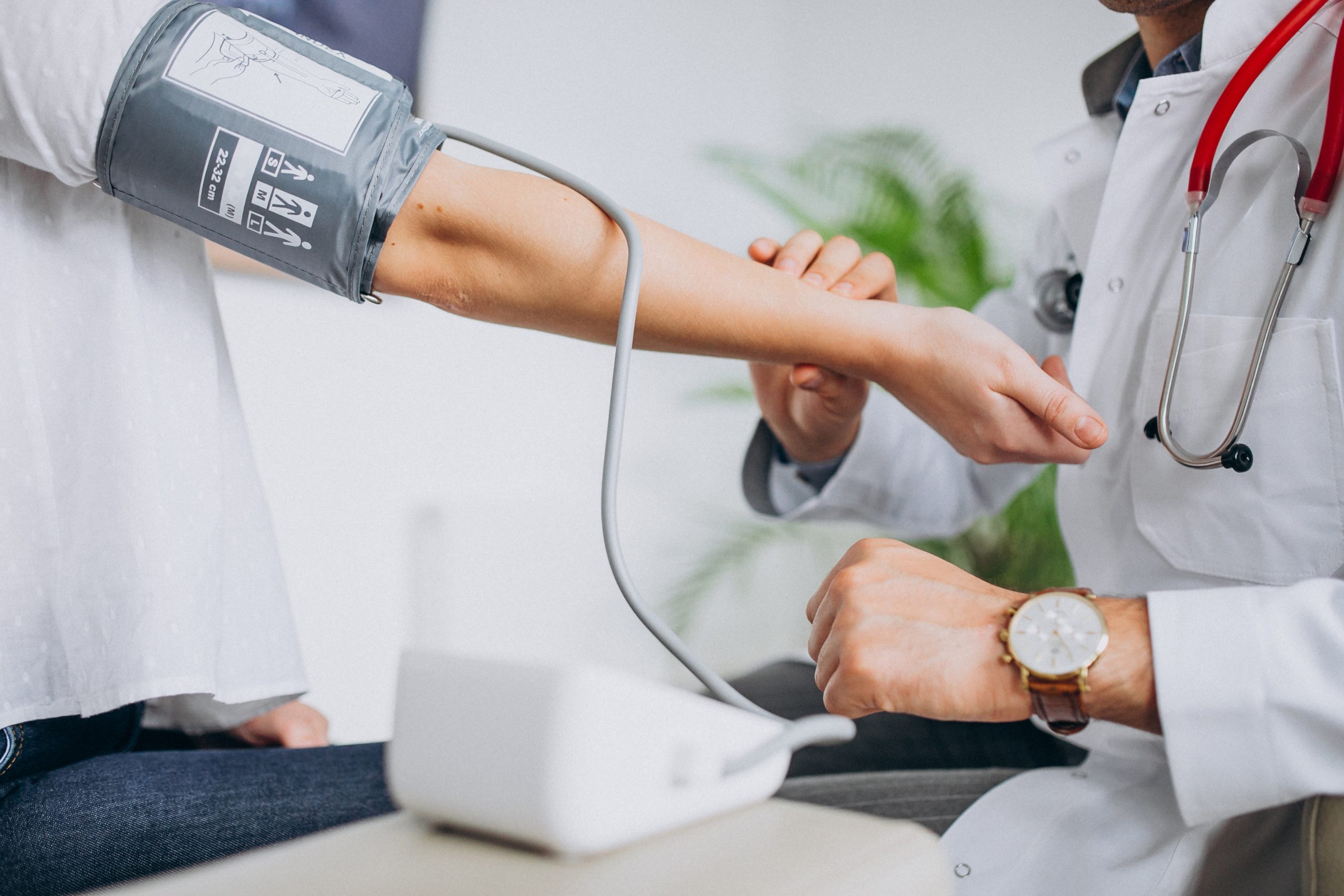
Diagnosis begins with a simple blood pressure check, done correctly. You should be seated, rested for five minutes, with your arm supported at heart level and the right cuff size. Your doctor may ask you to measure at home as well, since some people show high readings only in the clinic, while others have normal readings in the clinic but high readings at home.
Once hypertension is confirmed, your doctor looks for the cause and checks whether any organs have already been affected. Depending on your case, the following may be advised:
- Blood tests: blood sugar, cholesterol and lipid profile, kidney function tests, electrolytes such as sodium and potassium, and thyroid tests
- Urine tests: to check for protein or blood, which can signal kidney strain
- ECG: to record the electrical activity of the heart
- Echocardiography: an ultrasound of the heart to look at its size and pumping strength
- Stress test (TMT): to see how the heart performs under exertion
- Eye examination: to look at the tiny blood vessels at the back of the eye
- Kidney and abdominal ultrasound: when secondary causes are suspected
All of these are supported by in-house facilities. Our pathology laboratory and radiology department work alongside the ECG, echocardiography and stress test services listed on our services page, so most investigations can be completed in one place.
High Blood Pressure Treatment in Chamrajpet at Brindhavvan Areion Hospital
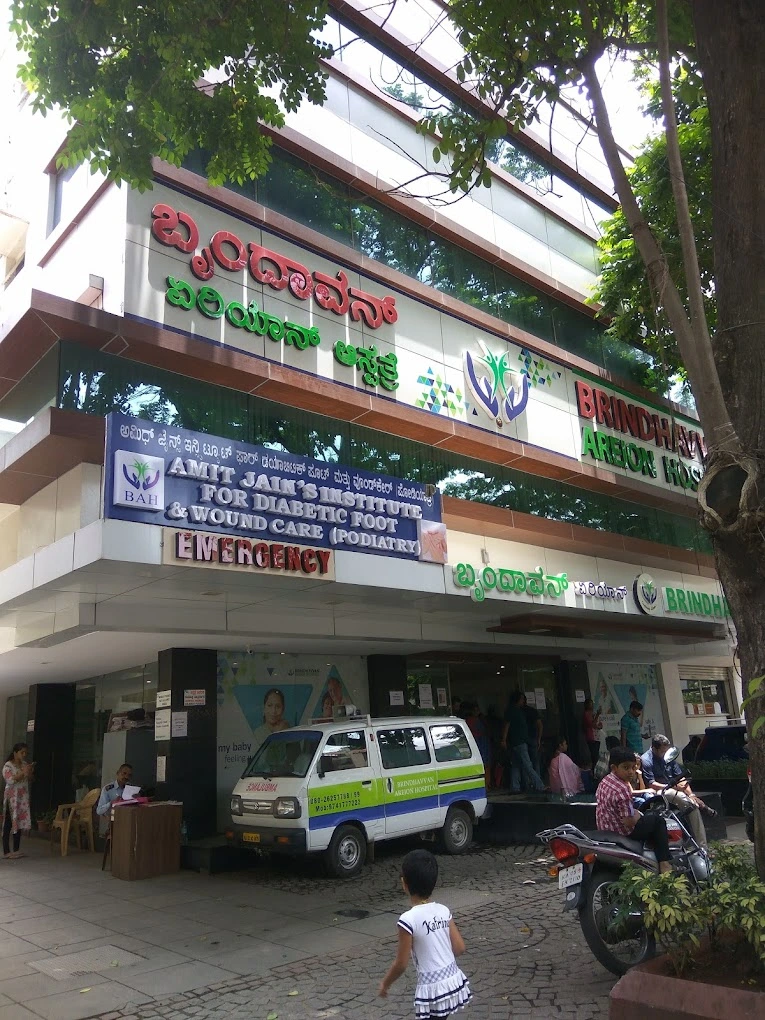
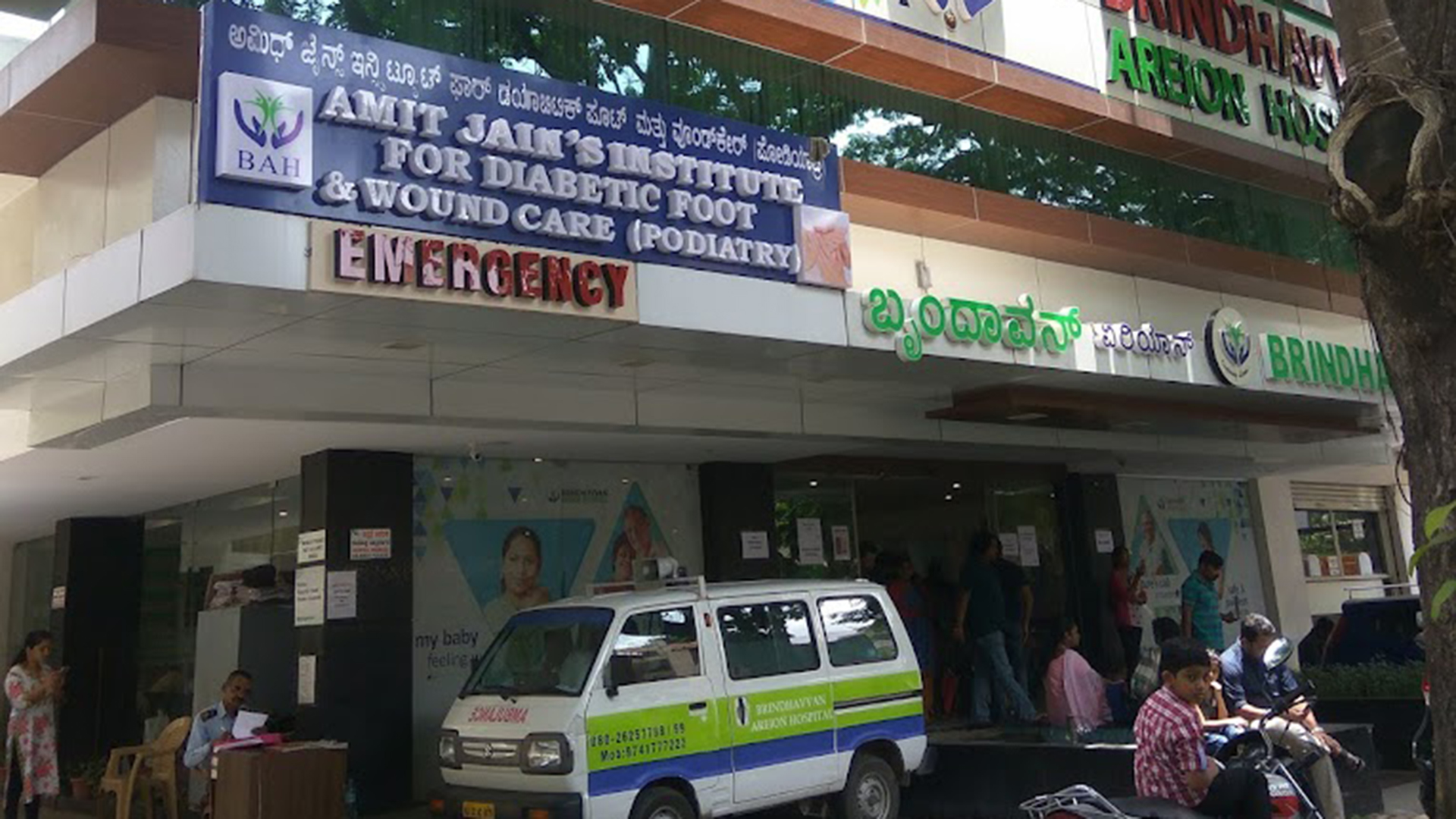
Effective high blood pressure treatment in Chamrajpet is not just about prescribing a tablet. It is about understanding your numbers, your lifestyle, your other health conditions and your goals, and then building a plan you can actually follow. At Brindhavvan Areion Hospital, located at 17, 4th Main Road, Chamrajpet, Bengaluru 560018, care is organised around exactly this approach.
1. Consultation with the right specialist.
Most patients begin with our General Medicine team, who assess your blood pressure, risk factors and overall health. If your heart needs closer evaluation, our Cardiology department is available. When the kidneys, hormones or eyes are involved, you can be guided to Nephrology, Endocrinology or Ophthalmology.
2. A personalised treatment plan.
No two patients are alike. Your plan depends on your blood pressure level, age, other conditions such as diabetes or kidney disease, and your daily routine. Lifestyle changes form the foundation, and medicines are added when needed.
3. Medicines, chosen carefully.
Several groups of medicines are used to control blood pressure, including ACE inhibitors, angiotensin receptor blockers, calcium channel blockers, diuretics and beta blockers. Your doctor selects the one or the combination that suits you best and adjusts it over time. Many patients need a combination to reach their target, and that is perfectly normal.
4. Regular monitoring and follow-up.
Blood pressure treatment is a long-term partnership. We review your readings, check for side effects, repeat blood tests when needed and adjust treatment so that your pressure stays in the safe range.
5. Emergency and critical care when required.
If blood pressure rises dangerously or causes a complication such as a stroke or heart problem, our Critical Care units and 24/7 emergency team are ready to step in.
You can meet our doctors, learn more on our patient care page and book an appointment online, or call 080 26257700.
Lifestyle Changes That Lower Blood Pressure
Medicines work best when they are supported by healthy habits. In many people with mildly raised pressure, lifestyle changes alone can bring the numbers down. These are the steps that matter most:
- Cut down on salt. Aim to keep total salt intake low, ideally under about 5 grams (a little under one teaspoon) a day. Use less salt while cooking, avoid adding extra salt at the table and limit pickles, papad, chutney powders, packaged snacks and instant foods.
- Move every day. Aim for at least 150 minutes of moderate activity such as brisk walking, cycling or swimming each week. Even a 30-minute walk on most days makes a difference.
- Maintain a healthy weight. Losing even a few kilograms can lower your blood pressure.
- Eat a heart-friendly diet. Include vegetables, fruits, whole grains, dals, nuts and curd. Choose less oil, less fried food and less sugar.
- Quit smoking and tobacco. Every cigarette or tobacco product raises blood pressure and damages blood vessels.
- Limit alcohol. Heavy drinking raises blood pressure and interferes with medicines.
- Manage stress. Deep breathing, yoga, meditation, time outdoors, hobbies and good conversations help the body relax.
- Sleep well. Poor or short sleep is linked to higher blood pressure. If you snore heavily or feel tired through the day, ask your doctor about sleep apnoea.
- Limit caffeine if you notice that tea or coffee pushes your readings up.
A Blood Pressure Friendly Indian Diet
Traditional Indian food can be very heart-healthy, as long as salt and oil are kept in check. Here are some simple swaps:
- Replace pickles and papad with fresh salads, lemon and herbs for flavour.
- Choose fruits, roasted chana or unsalted nuts instead of chips and namkeen.
- Prefer home-cooked rotis, ragi, millets, brown rice and dals over bakery items and refined flour products.
- Include green leafy vegetables, bananas, tender coconut water, tomatoes and other potassium-rich foods, unless your doctor has advised you to restrict potassium because of kidney disease.
- Use steaming, boiling, grilling or light sauteing instead of deep frying.
- Read labels on packaged foods and choose those with lower sodium.
If you have diabetes, kidney disease or another condition, ask your doctor or dietitian for a plan that suits you, rather than copying a general diet.
Monitoring Blood Pressure at Home
Home monitoring gives your doctor a clearer picture than occasional clinic visits. A few tips:
- Use a validated, upper-arm automatic blood pressure monitor with the correct cuff size.
- Sit quietly for five minutes, with your back supported, feet flat on the floor and arm resting at heart level.
- Avoid tea, coffee, smoking and exercise for 30 minutes before measuring.
- Take two readings, a minute apart, in the morning before medicines and in the evening.
- Write the readings down and bring the log to every appointment.
Do not change or stop your medicines on the basis of home readings alone. Always speak with your doctor first.
Important Do’s and Don’ts for People on BP Medicines
- Take your medicines at the same time every day, even when you feel completely fine.
- Never stop medicines suddenly or skip doses because your numbers look normal. Normal numbers usually mean the treatment is working.
- Tell your doctor about all other medicines, including painkillers, cold remedies, herbal products and supplements, as some can raise blood pressure or interfere with treatment.
- Report side effects such as persistent cough, swelling of the feet, dizziness or excessive tiredness. Often a simple change in the medicine solves the problem.
- Keep your follow-up appointments and repeat tests on schedule.
High Blood Pressure in Special Situations
With diabetes: High blood pressure and diabetes often occur together and double the strain on the heart, kidneys and eyes. Tight control of both matters. Our blog on diabetes and general physician care in Chamrajpet explains how regular monitoring protects long-term health.
In older adults: Blood pressure often rises with age, and some older people feel dizzy when they stand up quickly. Treatment aims for safe control without sudden drops.
In young adults: Hypertension in people in their twenties and thirties is increasingly seen and may sometimes have a secondary cause. A proper evaluation is worthwhile.
During pregnancy: High blood pressure can affect both mother and baby. Pregnant women should be monitored closely by their obstetrician, and our OBG and Gynae department offers round-the-clock maternity care.
With brain symptoms: If high blood pressure is accompanied by severe headache, weakness or speech changes, it may signal a stroke. This needs emergency care and evaluation by our Neurology team.
Prevention: Start Before the Numbers Rise
You do not have to wait for a diagnosis to protect yourself. Check your blood pressure regularly, keep your weight in check, eat less salt, stay active, avoid tobacco and manage stress. Preventive health check-ups can reveal early changes in blood pressure, sugar and cholesterol long before they cause trouble. Explore our health check-up packages, which include same-day reports and a physician consultation.
Why Choose Brindhavvan Areion Hospital for High Blood Pressure Care?
- 24/7 availability: emergency care, pharmacy and diagnostics are open day and night.
- Multispecialty support under one roof: general medicine, cardiology, nephrology, endocrinology, neurology and critical care work together.
- In-house diagnostics: laboratory, ECG, echocardiography, stress test, ultrasound and X-ray facilities.
- Doctors who listen: a patient-centred approach, with time to explain your numbers, your options and your plan.
- Insurance support: assistance with admission and medical insurance processes.
- Easy to reach: convenient for residents of Chamrajpet, Basavanagudi, Chickpet, Gandhi Nagar, Vijayanagar, Jayanagar and other parts of Bangalore. Find directions on our contact page.
To know more about the hospital, visit our About Us page or browse all departments.
Frequently Asked Questions (FAQs)
1. Where can I get the best high blood pressure treatment in Chamrajpet?
Brindhavvan Areion Hospital on 4th Main Road, Chamrajpet, offers consultation, diagnostic tests, long-term follow-up and emergency care for high blood pressure, with services available 24/7. You can book online or call 080 26257700.
2. What is a normal blood pressure reading?
A normal reading for most adults is below 120/80 mmHg. Readings that stay at 130/80 or above, or 140/90 or above depending on the guideline your doctor follows, need medical evaluation.
3. Can high blood pressure be cured completely?
In most people, high blood pressure is a long-term condition that can be controlled rather than cured. With lifestyle changes and, when needed, medicines, blood pressure can be kept in a safe range. In some cases of secondary hypertension, treating the underlying cause can improve or normalise it.
4. Can I stop my BP medicine once my blood pressure becomes normal?
No. Normal readings usually mean the medicine is working. Stopping suddenly can cause blood pressure to rise sharply. Any change should be made only with your doctor’s advice.
5. What are the warning signs of dangerously high blood pressure?
Severe headache, chest pain, breathlessness, confusion, blurred vision, weakness on one side of the body, difficulty speaking or a reading of 180/120 or higher with symptoms need emergency care.
6. Can young people get high blood pressure?
Yes. Stress, poor diet, obesity, lack of exercise, smoking and family history are making hypertension more common in people in their twenties and thirties. Regular checks are important.
7. Which foods should I avoid with high blood pressure?
Limit salty foods such as pickles, papad, namkeen, chips, instant noodles, processed meats and fast food, along with fried and sugary items. Choose fresh, home-cooked meals with plenty of vegetables, fruits and whole grains.
8. How often should I check my blood pressure?
Adults should check at least once a year. If you have been diagnosed, your doctor will suggest how often to measure at home, often daily for a period, then a few times a week once it is stable.
9. Does stress cause high blood pressure?
Stress can raise blood pressure temporarily, and long-term stress along with unhealthy coping habits such as smoking, overeating or poor sleep can contribute to hypertension. Managing stress is an important part of treatment.
10. Is high blood pressure treatment in Bangalore covered by health insurance?
Many health insurance plans cover hospital admission and some outpatient costs, depending on the policy. Our team can help you with insurance paperwork. Check the details on our patient care page or ask at the reception desk.
Final Thoughts
High blood pressure rarely announces itself, but its effects on the heart, brain and kidneys can be life-changing. The best defence is early detection, steady treatment and healthy daily habits. You do not have to face it alone, and you do not need to wait for symptoms to take action.
If you are looking for trusted high blood pressure treatment in Chamrajpet, Brindhavvan Areion Hospital offers expert consultation, complete diagnostics and round-the-clock care, all under one roof. Take the first step today and get your blood pressure checked.
Book your appointment: click here to book online or call 080 26257700.
Disclaimer: This article is for general awareness only and is not a substitute for professional medical advice. Please consult a qualified doctor for diagnosis and treatment.