ICU Hospital Near Me in Chamrajpet, Bangalore
When a loved one suddenly becomes critically ill, nobody has time to compare brochures. A parent collapses at home, a newborn struggles to breathe, or a road accident leaves a family member unconscious. In those first frightening minutes, the search that most families type into their phones is simple: ICU hospital near me. The answer you choose can shape how the next hours and days unfold.
This guide is written for families in Chamrajpet, Jayanagar and across Bangalore who want a clear, practical way to evaluate intensive care. We explain what an ICU actually does, what separates the best critical care hospital from an average one, why a ventilator support hospital needs more than a machine, and why a multi-specialty ICU near me can be the safest choice when a patient’s condition is complicated. We also show how Brindhavvan Areion Hospital in Chamrajpet approaches round-the-clock critical care.
Why Searching for an ICU Hospital Near Me Matters
In critical illness, distance is not a convenience factor; it is a clinical one. Conditions such as heart attack, stroke, severe infection, respiratory failure and serious injury are time sensitive. Doctors often speak of a “golden hour,” the early window in which prompt treatment improves the chance of recovery. A hospital that is a few minutes away, with an ICU that is ready and staffed, gives your family a real advantage over one that is far away but looks impressive online.
That is why searching for an ICU hospital near me is not a shortcut. It is a sensible first filter. For people living in Chamrajpet, Jayanagar and neighbouring parts of south and central Bangalore, a hospital on 4th Main Road, Chamrajpet is reachable without the long, unpredictable drive that cross-city travel often involves. The next step is to look past the location and ask whether the ICU itself meets the standard your family deserves.
What Is an ICU and Who Needs It?
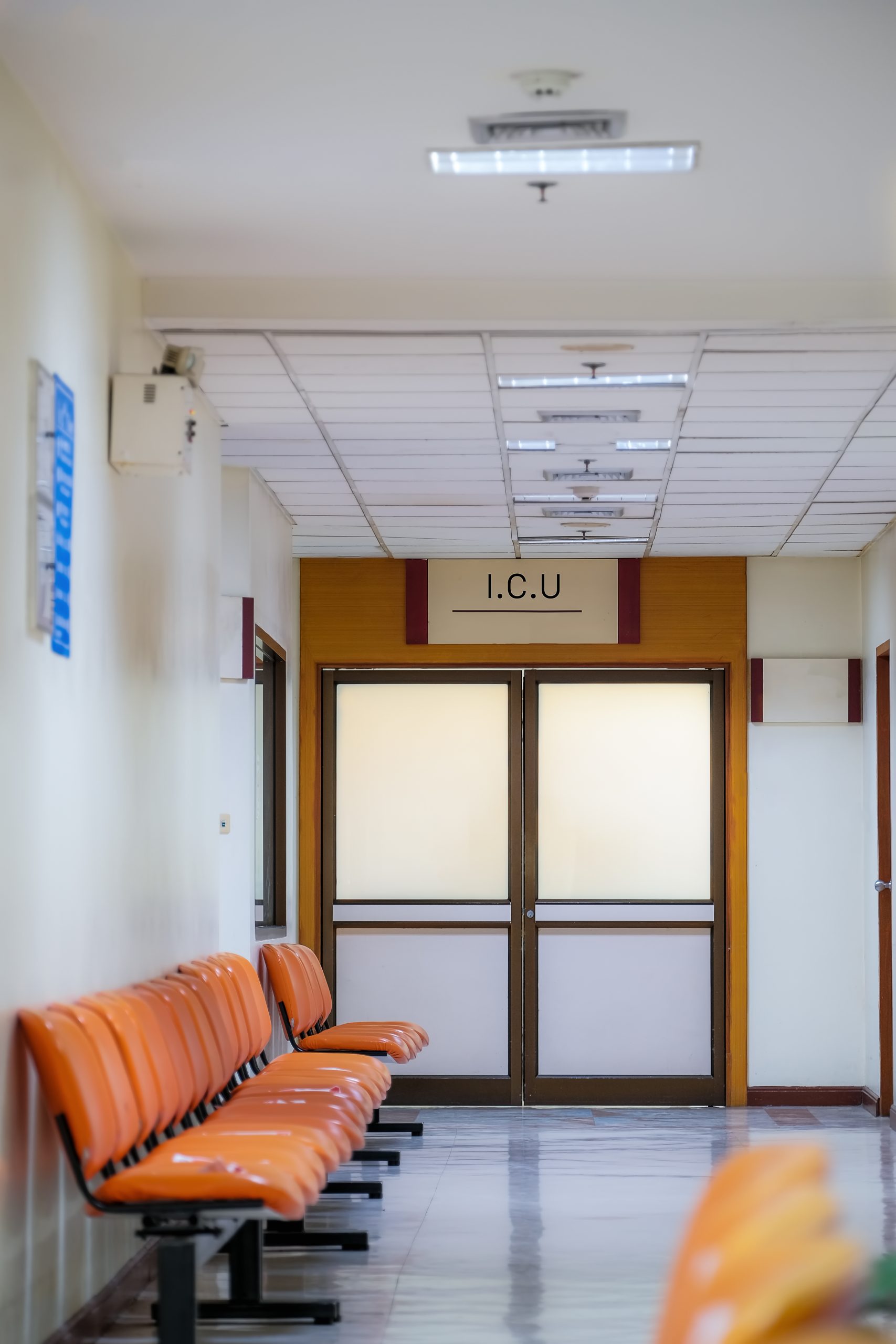
An Intensive Care Unit is a specially equipped area of a hospital that provides continuous monitoring and advanced life support for patients whose organs are failing or at risk of failing. Unlike a general ward, where a nurse may check on a patient every few hours, an ICU keeps the patient under constant observation. Heart rate, blood pressure, oxygen level, breathing pattern and other vital signs are tracked in real time, and the team can act within moments if something changes.
People who commonly need ICU care include:
- Patients with severe breathing difficulty, pneumonia or acute respiratory distress
- Heart attack and serious cardiac rhythm problems
- Stroke, head injury and other neurological emergencies
- Sepsis and severe infections, including complications of viral illness
- Patients recovering from major surgery who need close monitoring
- Uncontrolled diabetes complications such as ketoacidosis
- Kidney failure that needs urgent support
- Premature or sick newborns and critically ill children
Because the patients are so different, an intensive care department is rarely a single room. A well-run hospital separates adult, neonatal and paediatric intensive care so that every patient gets equipment and expertise matched to their age and condition.
What Makes the Best Critical Care Hospital?
Every hospital claims to offer excellent care, so it helps to know what to look for. When families ask us how to recognise the best critical care hospital, we point them to five practical signs rather than slogans.
- Always-on emergency access. Critical illness does not follow office hours. The hospital should accept emergencies 24 hours a day, every day, with doctors and nurses physically present, not merely on call.
- Dedicated intensive care for each age group. Separate adult ICU, NICU and PICU units mean ventilators, monitors and staff training are tailored to adults, newborns and children respectively.
- Specialists within reach. Critically ill patients rarely have a single problem. Cardiology, neurology, nephrology, pulmonology, anaesthesiology and surgery should be available in the same building.
- Diagnostics on site. A laboratory, X-ray, CT scan, ultrasound, ECG and echocardiography inside the hospital save precious time that would otherwise be lost shipping a patient across the city.
- Clear communication with families. Good critical care includes honest daily updates, clear explanations of risks, and guidance on insurance and admission so that relatives are not left guessing.
A hospital that ticks these boxes is not simply well equipped; it is organised around the idea that a critical patient needs many forms of help at the same moment. You can see how Brindhavvan Areion Hospital describes its critical care services and its full list of hospital services before you ever step through the door.
Choosing a Ventilator Support Hospital: More Than a Machine
Mechanical ventilation is one of the most important tools in critical care. When a patient cannot breathe adequately on their own because of pneumonia, a severe asthma attack, a neurological event, trauma or major surgery, a ventilator takes over some or all of the work of breathing while doctors treat the underlying cause. Families often hear the word “ventilator” with fear, yet in the right hands it is a bridge to recovery, not a final step.
But owning a ventilator is not the same as being a dependable ventilator support hospital. The machine is only as safe as the team around it. When you are comparing options, ask these questions:
- Who manages the ventilator? Look for round-the-clock presence of trained critical care doctors, anaesthesiologists and ICU nurses who adjust settings as the patient’s condition changes.
- Is there a plan for weaning? The goal is always to get the patient breathing independently again. A good team monitors progress daily and works with physiotherapists and pulmonologists on the way off the machine.
- Are infection controls strict? Ventilated patients are vulnerable to infection, so hand hygiene, sterile procedures and regular equipment cleaning matter enormously.
- Are there ventilation options for different ages? Adults, children and premature babies need different equipment and expertise. Confirm that the hospital supports all groups you may need.
- Is backup available? Reliable power, oxygen supply and spare equipment are non-negotiable in a unit where seconds count.
If you are unsure what a hospital can provide, call before you travel. The team at Brindhavvan Areion Hospital can be reached on 080 26257700 around the clock, and you can read more about patient care and the admission process to prepare in advance.
Why a Multi-Specialty ICU Near Me Can Be the Safer Choice
Critical illness is rarely tidy. A diabetic patient may arrive with a heart problem and an infection. An elderly person with a fall may also have kidney trouble and breathing difficulty. A pregnant woman with complications may need the obstetrician, the anaesthetist and the neonatal team working together. In situations like these, a multi-specialty ICU near me offers something a single-focus unit cannot: all the relevant experts, one patient, one coordinated plan.
The benefits are concrete:
- Faster decisions. When the cardiologist, neurologist and intensivist can review a patient together, treatment is not delayed by referrals and phone calls.
- Fewer transfers. Moving an unstable patient between hospitals carries its own risks. Keeping care under one roof reduces them.
- Continuity of care. The same records, test results and team follow the patient from emergency room to ICU to ward to recovery.
- Surgical backup. If a patient in intensive care needs an urgent operation, the surgical and anaesthesia teams are already part of the hospital.
Brindhavvan Areion Hospital brings together more than twenty medical departments, from cardiology, neurology, nephrology and pulmonology to paediatrics, neonatology and orthopaedics, along with a broad range of surgical care services. Its intensive care offering includes an adult ICU, a neonatal ICU and a paediatric ICU, so families do not have to search separately for each need.
Critical Care for Mothers, Newborns and Children
Some of the most emotional moments in any hospital happen in the NICU and PICU. A baby born early, or a toddler with a sudden severe infection, needs equipment, medicines and nursing skills that differ greatly from adult care. Tiny airways, delicate skin and fast-changing metabolism mean that paediatric and neonatal intensive care must be handled by teams trained for it.
When a hospital combines a 24/7 maternity ward with a neonatal ICU and paediatric intensive care, mothers and babies benefit from smooth handovers. A newborn who needs support after delivery can be moved to the NICU within moments, and the mother can be cared for by the gynaecology team without being separated from the baby for long. Families can learn more about neonatology care and paediatric services on the hospital’s website.
ICU Hospital Near Me in Chamrajpet, Bangalore and Jayanagar
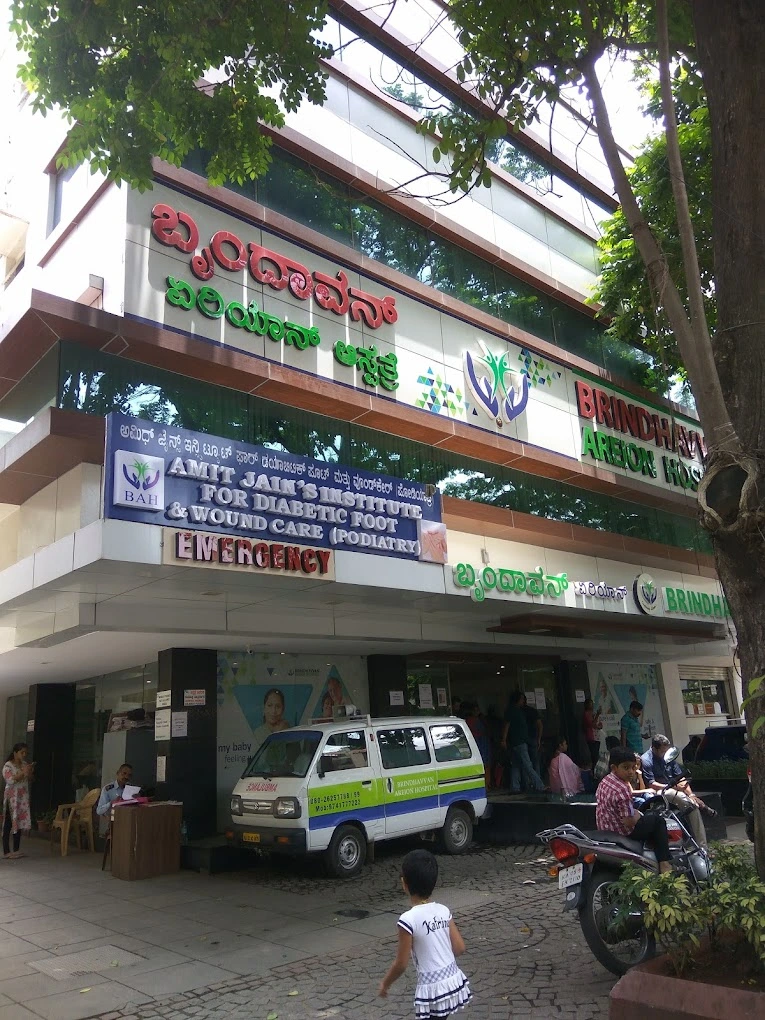
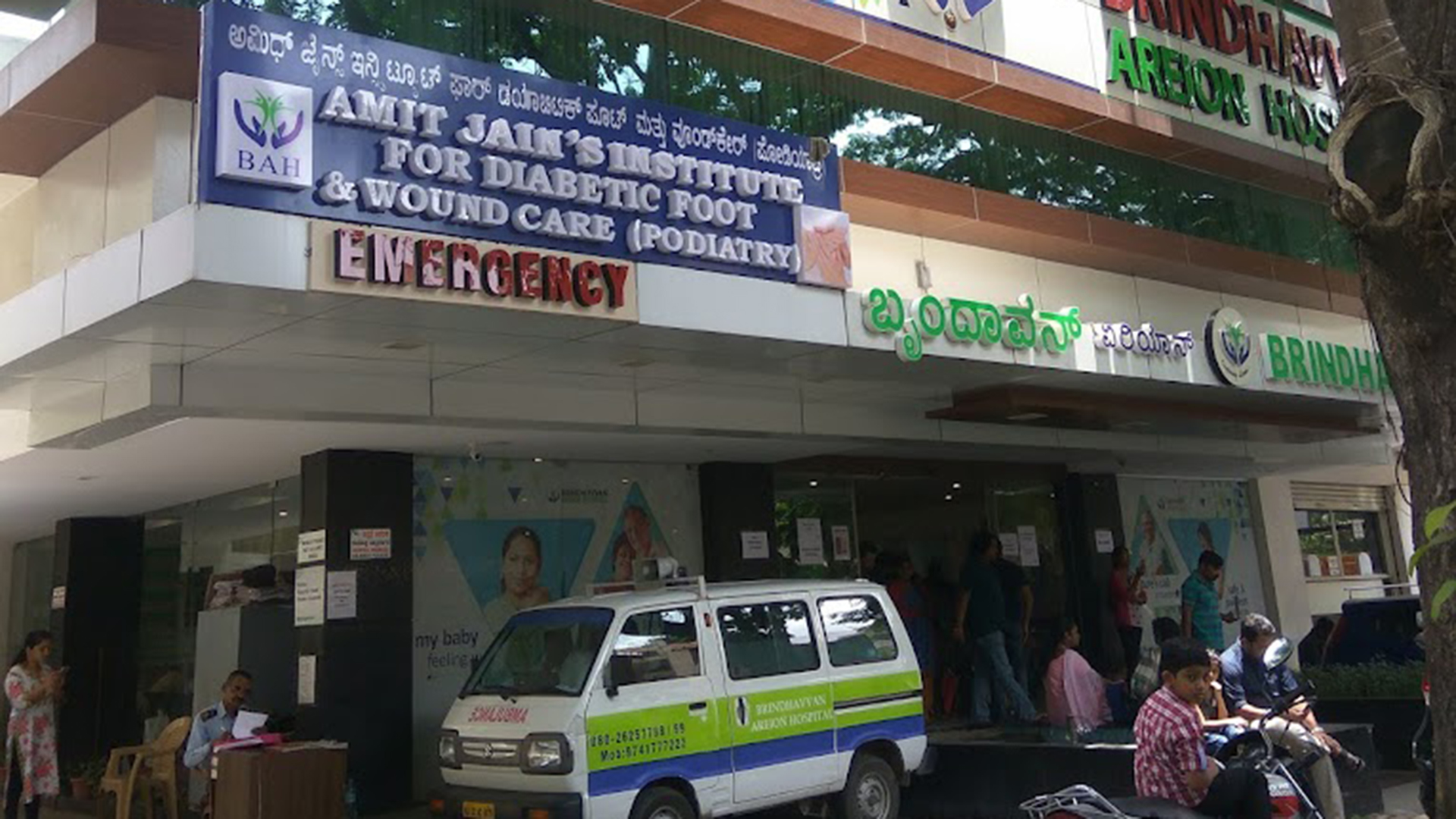
Local knowledge matters during an emergency. Brindhavvan Areion Hospital is located at 17, 4th Main Road, Chamrajpet, Bengaluru 560018, an area well connected to central Bangalore. For families in Chamrajpet itself, the hospital is a short drive away. Residents of Jayanagar and other nearby neighbourhoods searching for an ICU hospital near me can also reach Chamrajpet through the city’s main arterial roads, and ambulance support is available when a patient cannot be moved safely by private vehicle.
Whether you search for an ICU in Chamrajpet, a critical care hospital in Jayanagar, or a multi-specialty ICU near me anywhere in Bangalore, it is worth saving the hospital’s contact details before you need them. A few minutes of preparation now can save critical time later. You can view the location and directions page for a map and contact information.
When to Call an Ambulance Instead of Driving
Families sometimes hesitate to call an ambulance, thinking it will take longer than driving. In many emergencies, an ambulance is the better option because trained staff can begin care on the way. Call for help immediately if someone has:
- Chest pain, pressure or sudden sweating
- Difficulty breathing or blue-tinged lips
- Sudden weakness on one side, slurred speech or facial drooping
- Loss of consciousness or a seizure
- Severe bleeding, serious burns or major injury
- A newborn or child who is limp, not feeding or struggling to breathe
The hospital’s ambulance service runs 24/7 and can be requested on 080 26257700.
Preparing Before an ICU Admission: A Simple Family Checklist
Nobody plans for an emergency, but a little preparation reduces stress when one happens. Keep these items ready in a folder or on your phone:
- Photo ID, address proof and any insurance card or policy number
- A list of the patient’s current medicines, allergies and long-term conditions
- Recent prescriptions, reports and scans
- The phone number of the family doctor and one nominated family spokesperson
- Saved contact numbers for your chosen hospital and ambulance
Insurance questions are common during admission, so it helps to review the hospital’s guidance on medical insurance and admission in advance. Patients who want to meet a specialist for follow-up care can browse the hospital’s doctors and book an appointment online.
How to Support a Loved One in the ICU
The ICU can feel overwhelming for families. Visiting is usually restricted to protect patients from infection, and the sights and sounds of monitors can be distressing. A few habits make the experience easier. Ask the care team to explain what each device does. Choose one person to receive updates and share them with the rest of the family. Follow hygiene rules strictly, since visitors can carry germs into a vulnerable patient’s room. Rest, eat and drink water; recovery is often a long road, and caregivers who look after themselves are better able to support the patient. Finally, ask about rehabilitation early. Physiotherapy and nutrition planning that begin in the ICU often shorten recovery.
Frequently Asked Questions (FAQs)
1. How do I find the best ICU hospital near me in an emergency?
Start with distance, then verify the essentials: 24/7 emergency care, a dedicated adult, neonatal and paediatric ICU, in-house diagnostics and specialist doctors on site. If you live in Chamrajpet or Jayanagar, call the hospital before leaving so the team can prepare. Brindhavvan Areion Hospital can be reached on 080 26257700.
2. What should I look for in the best critical care hospital?
Look for round-the-clock doctors and nurses, modern monitoring, strong infection control, access to multiple specialists, and open communication with families. A hospital that offers surgical care, diagnostics, pharmacy and ambulance services together is better placed to manage complex cases.
3. What does a ventilator support hospital actually provide?
A ventilator support hospital provides mechanical breathing assistance supervised by trained intensive care doctors, anaesthesiologists and nurses. Beyond the machine, it should offer constant monitoring, infection prevention, oxygen and power backup, and a clear plan to help the patient breathe independently again.
4. Is a multi-specialty ICU near me better than a single-specialty unit?
For many patients, yes. Critical illness often involves more than one organ system, so having cardiology, neurology, nephrology, pulmonology, surgery and anaesthesia under one roof speeds up decisions and avoids risky transfers.
5. Does Brindhavvan Areion Hospital have an ICU for newborns and children?
Yes. The hospital lists an adult intensive care unit, a neonatal intensive care unit and a paediatric intensive care unit, supported by a 24/7 maternity ward and newborn care services.
6. Is the hospital convenient for people living in Jayanagar?
The hospital is located in Chamrajpet, Bangalore, and is reachable from Jayanagar and surrounding areas by road. In an emergency, you can request ambulance support on 080 26257700 rather than driving a critically ill person yourself.
7. Can I book a health check-up or consultation online?
Yes. Appointments can be booked through the hospital’s online system, and several preventive health check-up packages are available for different age groups.
8. How long will my family member stay in the ICU?
There is no fixed answer. Some patients recover within a day or two, while others need longer support. The treating team will review progress daily and explain what to expect, so do not hesitate to ask questions.
Final Thoughts: Choose Before You Need To
The best time to research an ICU hospital near me is before an emergency, not during one. Look for a best critical care hospital that treats critical care as a team effort, a dependable ventilator support hospital that pairs technology with skilled people, and a multi-specialty ICU near me that can respond when one illness brings several complications. For families in Chamrajpet, Jayanagar and across Bangalore, Brindhavvan Areion Hospital offers round-the-clock emergency care, adult, neonatal and paediatric intensive care, in-house diagnostics and an ambulance service under one roof.
Save the helpline, share it with your family, and explore the Brindhavvan Areion Hospital website so you know what to expect. In an emergency, call 080 26257700 or contact the hospital straight away.