
ICU Cost Per Day in Bangalore
When a family member is moved to intensive care, the first hours feel overwhelming. Alongside the worry about recovery, families in Bangalore quickly start asking practical questions. What is the ICU cost per day? Is there a critical care specialist nearby? How soon can treatment begin? Having clear answers in advance makes these decisions easier.
This guide is written for residents of Chamrajpet, Jayanagar and nearby areas of Bangalore. It explains what an ICU is, what influences the ICU cost per day, when to look for a critical care specialist near you, how sepsis is treated in hospital, what post-surgery ICU care involves, and what a cardiac ICU does. It also describes the critical care services at Brindhavvan Areion Hospital in Chamrajpet, which has Adult, Neonatal and Paediatric Intensive Care Units and round-the-clock emergency care.
What Is an ICU and Who Needs It?
An Intensive Care Unit (ICU) is a specially equipped area of the hospital for patients whose condition is serious or can change quickly. Unlike a regular ward, an ICU offers continuous monitoring of heart rate, blood pressure, oxygen levels and breathing, along with a higher nurse-to-patient ratio and immediate access to doctors trained in critical care.
Patients may need ICU care for many reasons:
- Severe infections, including sepsis
- Heart attack, abnormal heart rhythms or heart failure
- Breathing difficulty or respiratory failure
- Stroke, head injury or other neurological emergencies
- Recovery after major surgery
- Kidney failure or serious metabolic problems
- Complications of pregnancy and childbirth
- Critically ill newborns and children
Being admitted to the ICU does not always mean a poor outcome. For many patients it is a short, precautionary period of close observation while the body stabilises.
ICU Cost Per Day in Bangalore: What Decides the Bill
Families searching for the ICU cost per day in Bangalore, Chamrajpet or Jayanagar usually want a single number. In reality, no one figure applies to every patient, because intensive care is not a fixed package. The daily charge reflects the level of monitoring and treatment a patient actually needs, and it can change as the condition changes.
Factors that influence ICU cost per day
- Type of ICU: A general ICU, cardiac ICU, neonatal ICU and paediatric ICU need different equipment and staffing.
- Level of support: A patient who needs close monitoring alone has different needs from one who needs a ventilator, medicines to support blood pressure, or dialysis.
- Bed category: Shared, semi-private and single-bed arrangements are charged differently.
- Investigations: Blood tests, cultures, ECG, echocardiography, X-ray, CT scan and ultrasound are often billed separately from the bed charge.
- Medicines and consumables: Antibiotics, IV fluids, blood products and disposables add to the total.
- Specialist reviews: Visits by a critical care specialist, cardiologist, neurologist, nephrologist or surgeon form part of the treatment cost.
- Length of stay: Some patients stabilise in a day or two, while others need longer ICU care.
How to get a reliable estimate
Ask the hospital’s admission or billing desk for a written estimate that lists the bed charge, expected investigations, medicines and any procedures. Ask what is included in the daily rate and what is billed separately, and how the estimate will be revised if the patient’s needs change. It also helps to check cashless and reimbursement options early. Details are available on the hospital’s Medical Insurance and Patient Admission Process sections, and the team at Brindhavvan Areion Hospital can explain current charges when you call 080 26257700.
Critical Care Specialist Near Me: When to Seek One
A critical care specialist (intensivist) is a doctor trained to manage life-threatening illness. They coordinate the work of other specialists, adjust life support, and make minute-to-minute decisions when a patient’s condition changes. Searching for a critical care specialist near you in Chamrajpet or Jayanagar makes sense when:
- A patient has a sudden drop in blood pressure, confusion or extreme drowsiness
- Breathing becomes fast, laboured or oxygen levels fall
- A severe infection is not responding to treatment at home or in a ward
- A patient needs to be moved from the emergency room to closer monitoring
- A planned major surgery is expected to need intensive monitoring afterwards
A good critical care team does more than operate machines. They communicate with families, explain what is happening in plain language, and involve the relevant specialists early. At Brindhavvan Areion Hospital, the Critical Care department works alongside Anaesthesiology, General Medicine, Pulmonology and other departments. You can view the hospital’s consultants on the Our Doctors page.
Sepsis Treatment Hospital in Bangalore: Why Early Care Matters
Sepsis is the body’s extreme and harmful response to an infection. Instead of fighting germs alone, the immune system begins to injure the body’s own organs. Infections of the lungs, urinary tract, abdomen, skin or a surgical wound can all lead to sepsis. Without timely treatment it can progress to septic shock, where blood pressure falls dangerously low.
Warning signs of sepsis
- High fever or, in some people, abnormally low body temperature
- Fast heartbeat and fast breathing
- Confusion, disorientation or unusual sleepiness
- Low urine output
- Cold, clammy or mottled skin
- Severe weakness, or feeling that something is seriously wrong
People at higher risk include infants, older adults, people with diabetes, those with weak immunity, patients who have recently had surgery, and anyone with a long-term illness. If you notice these signs, go to a hospital emergency department without delay. Early recognition is one of the most important factors in recovery.
How sepsis is treated in hospital
When you look for a sepsis treatment hospital in Bangalore, check that the hospital has 24-hour emergency care, laboratory and imaging facilities, and an ICU. Treatment generally follows these steps:
- Rapid assessment: Doctors check vital signs and send blood tests, including cultures, to identify the infection and measure organ function.
- Antibiotics: Treatment is started promptly and then adjusted once test results show which germ is responsible.
- IV fluids and blood pressure support: Fluids are given and, if needed, medicines that support blood pressure.
- Finding and controlling the source: This may involve draining an abscess, removing an infected device, or surgery. The General Surgery team may be involved when a surgical source is suspected.
- Organ support: Oxygen, a ventilator or dialysis may be needed if the lungs or kidneys are affected. The hospital also has Nephrology and Dialysis services.
Because sepsis can change quickly, ICU monitoring is often part of the plan. Many patients recover fully, but some need a period of rehabilitation afterwards.
Post-Surgery ICU Care: What Families Can Expect
Not every operation needs an ICU stay. However, after major or high-risk surgery, or when a patient has heart, lung or kidney disease, doctors may plan post-surgery ICU care so that any complication is caught early.
What happens in the ICU after surgery
- Continuous monitoring: Heart rhythm, blood pressure, oxygen level, breathing and urine output are tracked around the clock.
- Pain control: Pain is assessed regularly and treated so the patient can breathe deeply, cough and move.
- Wound and drain care: Nurses check dressings, drains and the surgical site for bleeding or signs of infection.
- Breathing support: Some patients stay on a ventilator for a short period until they are fully awake and breathing well.
- Fluids, nutrition and medicines: Doctors adjust fluids, antibiotics and other medicines according to the patient’s progress.
- Early mobilisation: As soon as it is safe, physiotherapy helps the patient sit up and move, which lowers the risk of clots and chest infection. Physiotherapy support is available at the hospital.
Most patients move from the ICU to a regular ward once they are stable. Surgeries that commonly need close post-operative care include neurosurgery, orthopaedic surgery, major abdominal operations and cardiac procedures. Your surgeon and anaesthetist will tell you before the operation whether an ICU stay is expected, so you can plan for it.
Cardiac ICU Near Me: Care for Heart Emergencies
A cardiac ICU (CICU) is meant for patients with serious heart conditions. These include heart attack, unstable angina, dangerous rhythm disturbances, acute heart failure, and recovery after cardiac procedures. If you search for a cardiac ICU near you in Chamrajpet or Jayanagar, the key point is speed: in a heart attack, early treatment helps protect heart muscle.
Symptoms that need urgent attention
- Chest pain, pressure or tightness, especially if it spreads to the arm, jaw, neck or back
- Sudden breathlessness
- Cold sweat, nausea or light-headedness
- Palpitations with fainting or near-fainting
Do not drive yourself to the hospital if you have these symptoms. Call for an ambulance or ask someone to take you straight to an emergency department.
What a cardiac ICU provides
- Continuous ECG and blood pressure monitoring
- Rapid tests such as ECG, cardiac blood markers and echocardiography
- Medicines to restore blood flow, control rhythm and support the heart
- Close observation after procedures, with review by a cardiologist
Brindhavvan Areion Hospital offers Cardiology care along with ECG, echocardiography and stress test (TMT) facilities. You can read more on the Cardiac Surgical Care page. After discharge, follow-up visits, medicines and lifestyle changes remain just as important as the hospital stay.
Critical Care at Brindhavvan Areion Hospital, Chamrajpet
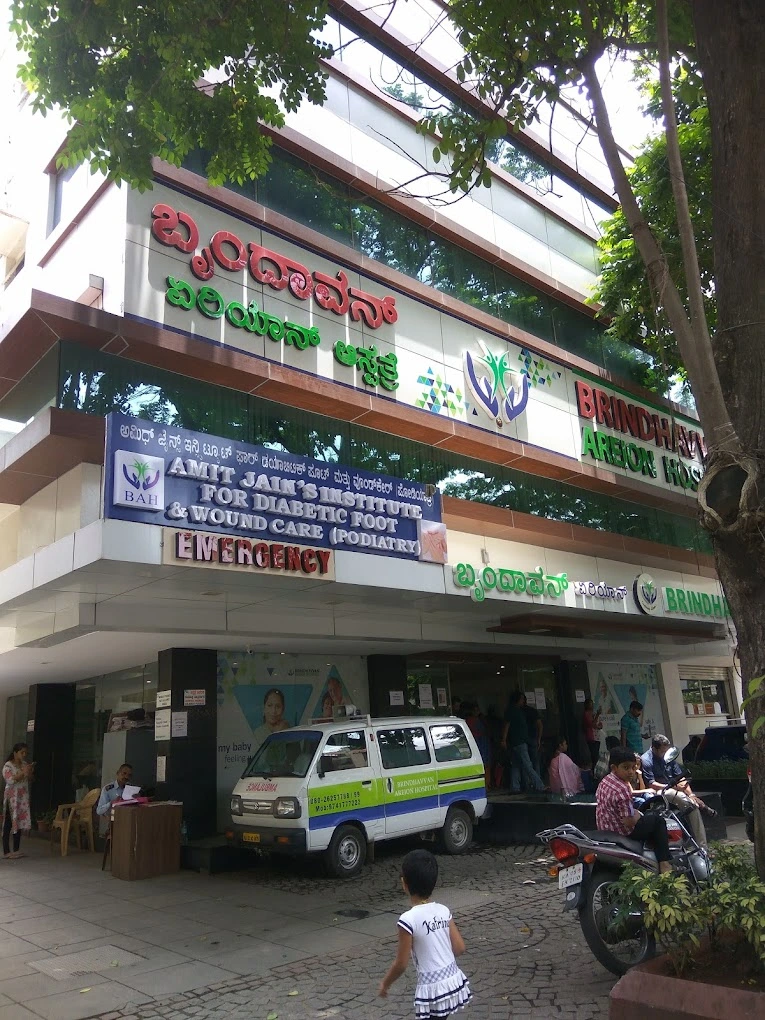
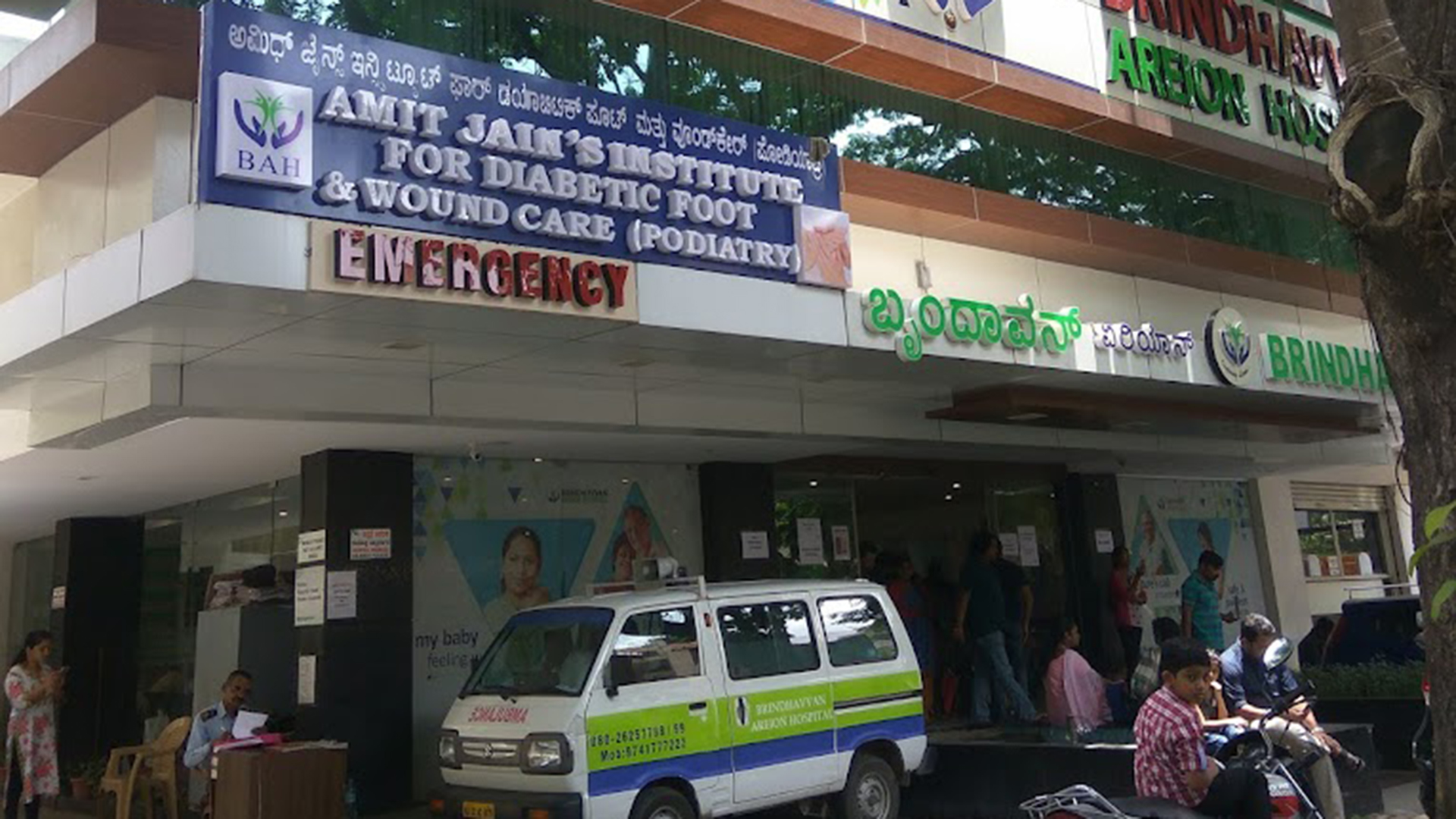
Brindhavvan Areion Hospital, located at 17, 4th Main Road, Chamrajpet, Bengaluru 560018, is easily reached by people living in Chamrajpet, Jayanagar and neighbouring parts of the city. The hospital’s critical care services include:
- Adult Intensive Care Unit for medical, surgical and cardiac patients
- Neonatal Intensive Care Unit (NICU) for newborn and premature babies, supported by Neonatology
- Paediatric Intensive Care Unit (PICU) for seriously ill children, supported by Paediatrics
- 24/7 emergency care with round-the-clock ambulance service. See Emergency Services
- Diagnostics on site, including laboratory tests, X-ray, CT scan, ultrasound, ECG and echocardiography
- 24/7 pharmacy for medicines
Having emergency care, diagnostics, specialists and the ICU under one roof reduces delays when every minute counts.
Preparing Before a Planned ICU Admission
If the ICU stay is expected, as with planned surgery, a little preparation helps:
- Keep a list of the patient’s medicines, allergies and long-term conditions.
- Carry previous reports, prescriptions and insurance documents.
- Ask the doctor about the expected duration of ICU stay and what support is likely.
- Request a written cost estimate and ask what could change it.
- Nominate one family member to speak with the medical team, so information stays consistent.
- Follow visiting rules, which are designed to protect patients from infection and allow staff to work without interruption.
What to Do in an Emergency
If someone has chest pain, severe breathing difficulty, confusion, signs of sepsis, heavy bleeding or loss of consciousness, do not wait. Call the hospital’s emergency and ambulance line on 080 26257700 or reach the nearest emergency department. Stay with the patient, note when the symptoms began, and bring the patient’s medicines and reports if you can.
Frequently Asked Questions (FAQs)
1. What is the ICU cost per day in Bangalore?
There is no single figure, because the cost depends on the type of ICU, the level of support the patient needs, investigations, medicines and specialist reviews. The most reliable approach is to ask the hospital for a written estimate after the patient has been assessed. For current information at Brindhavvan Areion Hospital in Chamrajpet, call 080 26257700.
2. Does health insurance cover ICU charges?
Many health insurance policies cover ICU care, but limits, room-rent caps and exclusions vary by policy. Check your policy document and ask the hospital’s insurance desk about cashless and reimbursement procedures. More details are on the Medical Insurance page.
3. How do I find a critical care specialist near me in Chamrajpet or Jayanagar?
Look for a hospital with a dedicated ICU, 24-hour emergency services and on-site diagnostics. You can browse consultants on the Our Doctors page or book an appointment through the hospital’s website.
4. What are the early signs that a patient may have sepsis?
Common signs include fever or very low temperature, rapid heartbeat, fast breathing, confusion, low urine output and cold, clammy skin. These symptoms need urgent medical evaluation, especially in infants, older adults and people with diabetes or weak immunity.
5. Is an ICU stay always needed after surgery?
No. Many patients go directly to a regular ward after surgery. ICU care is usually planned after major operations or when the patient has other health conditions that need close monitoring. Your surgeon and anaesthetist can tell you what to expect.
6. When should I go to a cardiac ICU?
Seek emergency care at once for chest pain or pressure, sudden breathlessness, cold sweats or fainting. The emergency team will assess you with an ECG and blood tests and decide whether cardiac ICU monitoring is needed.
7. Can family members stay with the patient in the ICU?
Visiting rules differ between hospitals and units. Usually, a limited number of visitors are allowed at set times to protect patients from infection. Ask the ICU staff about the visiting hours and guidelines when your relative is admitted.
Conclusion
Understanding intensive care before you need it can lighten a stressful situation. The ICU cost per day depends on each patient’s needs, so ask for a clear written estimate. Seek early help for warning signs of sepsis or a heart attack, ask your surgeon about post-surgery ICU care before an operation, and choose a hospital where emergency care, diagnostics and critical care are available together.
If you or your family live in Chamrajpet, Jayanagar or elsewhere in Bangalore and need guidance on critical care, you can contact Brindhavvan Areion Hospital on 080 26257700, visit the Contact page, or book an appointment.