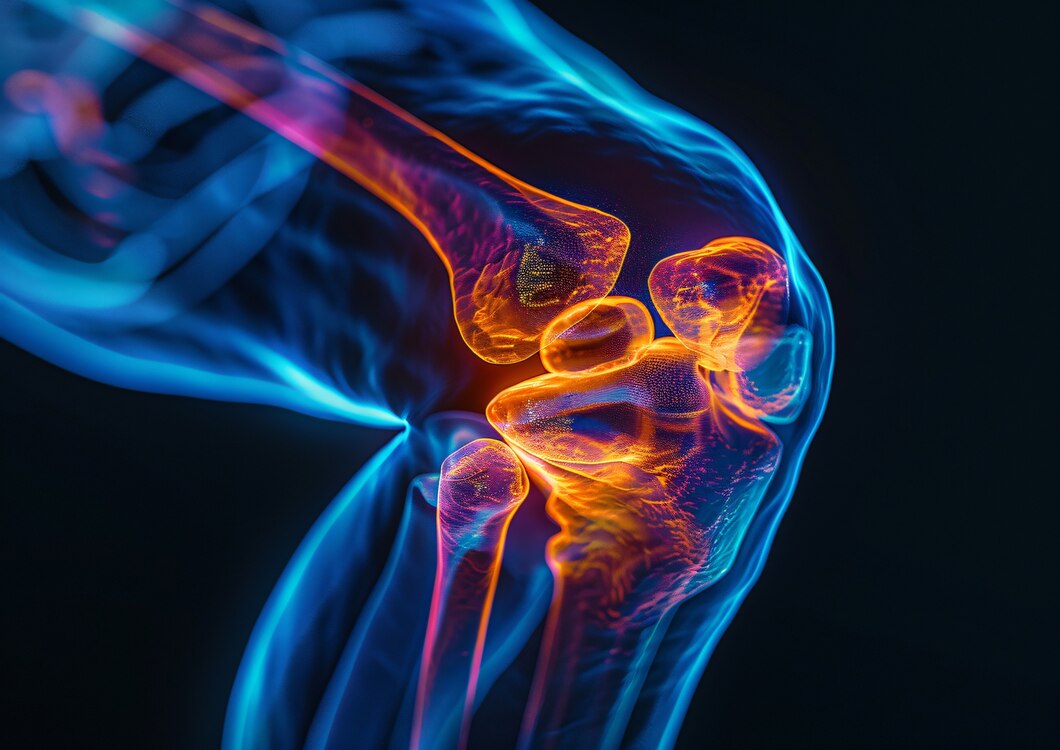
Bones, joints, muscles, ligaments and tendons work together every time you walk, climb stairs, lift a bag or play a game. When one of them is injured or worn out, even simple tasks can become painful. Many people in Bangalore put up with knee pain, a stiff shoulder or a sports niggle for months before seeking help, hoping it will settle on its own. Sometimes it does, but often early orthopedic care makes recovery simpler and faster.
This guide is written for residents of Chamrajpet, Jayanagar and nearby areas of Bangalore. It explains what orthopedics covers, how arthritis treatment works, when to see a sports injury doctor, what causes shoulder pain and how it is treated, and how physiotherapy helps you recover. It also describes the orthopedic and rehabilitation services available at Brindhavvan Areion Hospital in Chamrajpet.
What Is Orthopedics?
Orthopedics is the branch of medicine that deals with the musculoskeletal system, which includes bones, joints, cartilage, ligaments, tendons, muscles and the spine. An orthopedic doctor diagnoses and treats problems that range from a simple sprain to advanced joint disease. Treatment does not always mean surgery. In fact, many conditions improve with medicines, activity changes, injections, bracing and physiotherapy. Surgery is considered when these measures are not enough or when an injury needs repair.
The Orthopedics department at Brindhavvan Areion Hospital works with the hospital’s Orthopaedic Surgery, Physiotherapy and Anaesthesiology teams, so that diagnosis, treatment and rehabilitation can be planned together.
Common Orthopedic Problems and When to See a Doctor
People visit an orthopedic doctor for many reasons, including:
- Knee, hip, ankle or foot pain
- Joint stiffness and swelling
- Shoulder, elbow or wrist pain
- Neck and back pain
- Fractures and dislocations
- Ligament and tendon injuries
- Pain after a fall, road accident or sports activity
- Reduced movement after surgery or prolonged rest
You should see a doctor if pain lasts more than a couple of weeks, keeps returning, wakes you at night, or limits daily activities. Seek urgent care if there is a visible deformity, severe swelling, inability to bear weight, numbness or tingling that is spreading, or a wound over a suspected fracture.
Arthritis Treatment in Chamrajpet, Bangalore
Arthritis means inflammation or wear of one or more joints. It is not a single disease. More than a hundred conditions come under this heading, and the most common are osteoarthritis, rheumatoid arthritis and gout. Anyone searching for arthritis treatment in Chamrajpet or elsewhere in Bangalore should first understand which type they may have, because treatment differs.
Common types of arthritis
- Osteoarthritis: Gradual wear of joint cartilage, most often affecting the knees, hips, hands and spine. It becomes more common with age, previous injury and excess body weight.
- Rheumatoid arthritis: An autoimmune condition in which the body’s immune system attacks the joint lining. It often affects small joints on both sides of the body and can cause morning stiffness lasting more than an hour.
- Gout: Caused by uric acid crystals in a joint, it typically causes sudden, intense pain and swelling, often at the base of the big toe.
Symptoms to watch for
- Joint pain that worsens with activity or at the end of the day
- Stiffness, especially in the morning or after sitting
- Swelling, warmth or redness around a joint
- Reduced range of movement
- A grinding or clicking feeling in the joint
How arthritis is diagnosed
The doctor begins with your history and a physical examination of the affected joints. Depending on the findings, X-rays can show joint space narrowing and bone changes, and blood tests can help identify inflammatory arthritis or raised uric acid. Further imaging or joint fluid analysis may be advised in some cases. Brindhavvan Areion Hospital offers on-site laboratory, X-ray and ultrasound services, which can shorten the time between consultation and diagnosis.
Treatment options
The aim of treatment is to relieve pain, protect the joint, and keep you moving. Your doctor will tailor the plan to the type and stage of arthritis:
- Lifestyle measures: Weight management, regular low-impact exercise and avoiding activities that strain the joint.
- Medicines: Pain relievers, anti-inflammatory medicines and, for rheumatoid arthritis or gout, specific long-term medicines. These should be taken only as prescribed.
- Physiotherapy: Strengthening and flexibility exercises that support the joint and improve function.
- Injections and supportive devices: In selected patients, joint injections, braces or walking aids may be suggested.
- Surgery: When joint damage is advanced and other treatment has not helped, procedures such as joint replacement may be discussed. This is always an individual decision made with your surgeon.
Early consultation matters most with inflammatory arthritis, where timely treatment can help protect the joints from lasting damage.
Sports Injury Doctor in Chamrajpet and Jayanagar
You do not have to be an athlete to have a sports injury. Weekend cricketers, gym-goers, runners, badminton players and even people who start a new fitness routine can strain a muscle or twist a joint. If you are looking for a sports injury doctor in Chamrajpet or Jayanagar, it helps to know which injuries need a medical review.
Common sports injuries
- Ankle sprains and ligament tears
- Knee injuries, including ACL and meniscus tears
- Muscle strains in the thigh, hamstring or calf
- Tendon problems such as tennis elbow and Achilles tendinitis
- Shoulder injuries, including rotator cuff problems and dislocations
- Stress fractures from repeated impact
First steps after an injury
For a minor injury, stop the activity straight away, rest the area, apply a cold pack wrapped in a cloth for short periods, use gentle compression, and keep the limb raised. Avoid pushing through pain. Do not massage a freshly injured area or return to play too soon.
When to see an orthopedic doctor
- You heard or felt a pop at the time of injury
- The joint swells quickly or feels unstable
- You cannot put weight on the limb
- Pain, swelling or bruising is not improving after a few days
- You have numbness, tingling or a change in skin colour below the injury
Diagnosis and treatment
After examining the injured area, the doctor may order an X-ray to rule out a fracture and may suggest additional imaging for soft tissue injuries. Many sports injuries recover with rest, protection, medicines for pain, bracing and a structured physiotherapy programme. Some ligament and tendon tears, or fractures that have shifted, may need surgery, after which rehabilitation is just as important as the operation. A gradual return to sport, guided by your doctor and physiotherapist, lowers the chance of re-injury.
Shoulder Pain Treatment in Bangalore
The shoulder is the most mobile joint in the body, which also makes it prone to strain. Shoulder pain treatment in Bangalore depends on the cause, so the first step is a proper diagnosis.
Common causes of shoulder pain
- Rotator cuff problems: Inflammation, strain or tears in the group of tendons that stabilise the shoulder.
- Frozen shoulder: Pain and progressive stiffness that limits movement, more common in middle age and in people with diabetes.
- Shoulder impingement: Pinching of tendons during overhead movements.
- Arthritis: Wear or inflammation of the shoulder joint.
- Dislocation or instability: Often after a fall or sports injury.
- Neck-related pain: A problem in the cervical spine can refer pain to the shoulder. Where nerve symptoms are suspected, review by Neurology or Spine Surgery may be advised.
An important warning
Pain in the left shoulder or arm that comes with chest discomfort, sweating, breathlessness or nausea can be a sign of a heart attack. Do not wait to see an orthopedic doctor in this situation. Go to an emergency department immediately. See Emergency Services for round-the-clock care.
Diagnosis
The doctor will check your range of movement, strength and the points of tenderness, and ask about your work, sleep position and activities. X-rays can assess the bones and joint space, while ultrasound can show tendon and soft tissue problems. If needed, further imaging such as MRI may be recommended.
Treatment
Most shoulder problems improve without surgery. Treatment may include relative rest, pain-relieving medicines, hot or cold therapy, physiotherapy to restore movement and strengthen the shoulder, and in selected cases an injection. Surgery, which may include keyhole techniques, is reserved for significant tears, recurrent dislocations or persistent problems that have not responded to other treatment. Posture correction, regular stretching and avoiding repeated heavy overhead lifting can help prevent recurrence.
Physiotherapy Near Me in Chamrajpet
When people search for physiotherapy near me, they are usually looking for a convenient place where an exercise programme can be guided and monitored. Physiotherapy is an essential part of orthopedic care, not just an add-on. It helps relieve pain, restore movement, rebuild strength and prevent the problem from returning.
Who can benefit from physiotherapy?
- People with arthritis who need to keep joints mobile and muscles strong
- Patients recovering from fractures, joint replacement or other orthopedic surgery
- Athletes and fitness enthusiasts with sprains, strains or overuse injuries
- People with shoulder, neck or back pain
- Older adults who want to improve balance and reduce the risk of falls
- Patients recovering from neurological conditions such as stroke
What to expect at a physiotherapy session
The physiotherapist begins with an assessment of your pain, posture, strength and range of movement. A personalised plan may include therapeutic exercises, stretching, manual techniques, heat or cold therapy, balance training and guidance on everyday movements. Sessions are usually repeated over several weeks, and you will be given a home exercise routine. Doing these exercises regularly matters as much as attending sessions.
The Physiotherapy service at Brindhavvan Areion Hospital supports rehabilitation for both surgical and non-surgical patients, so your treatment and recovery can be coordinated in one place.
Orthopedic Care at Brindhavvan Areion Hospital, Chamrajpet
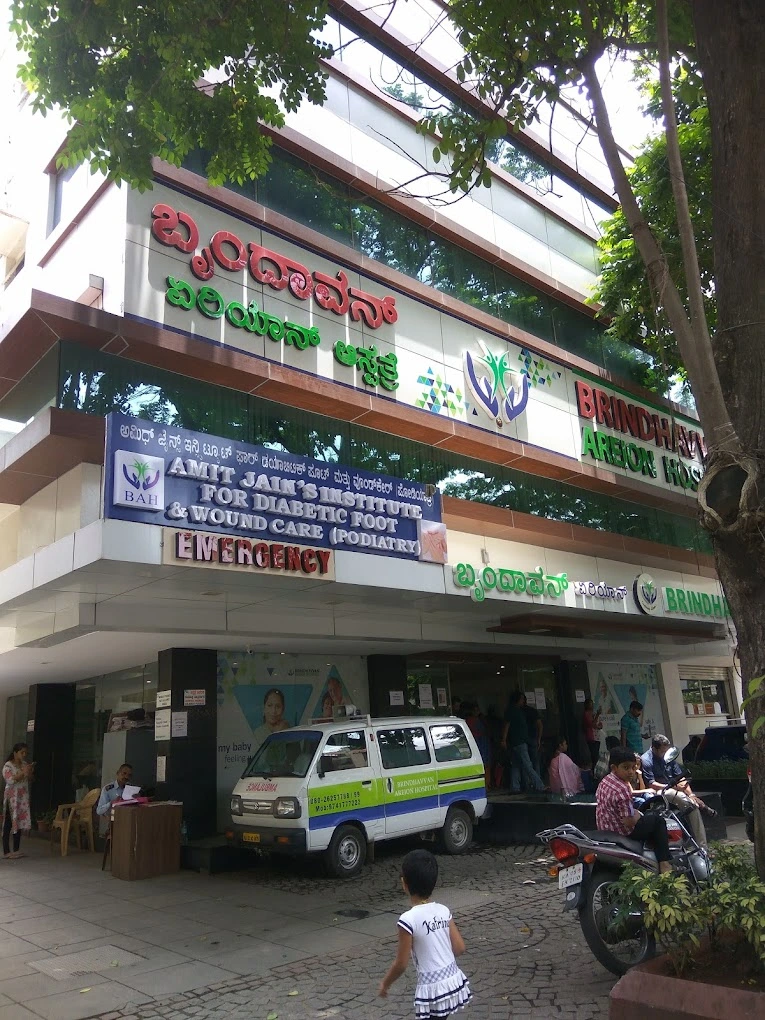
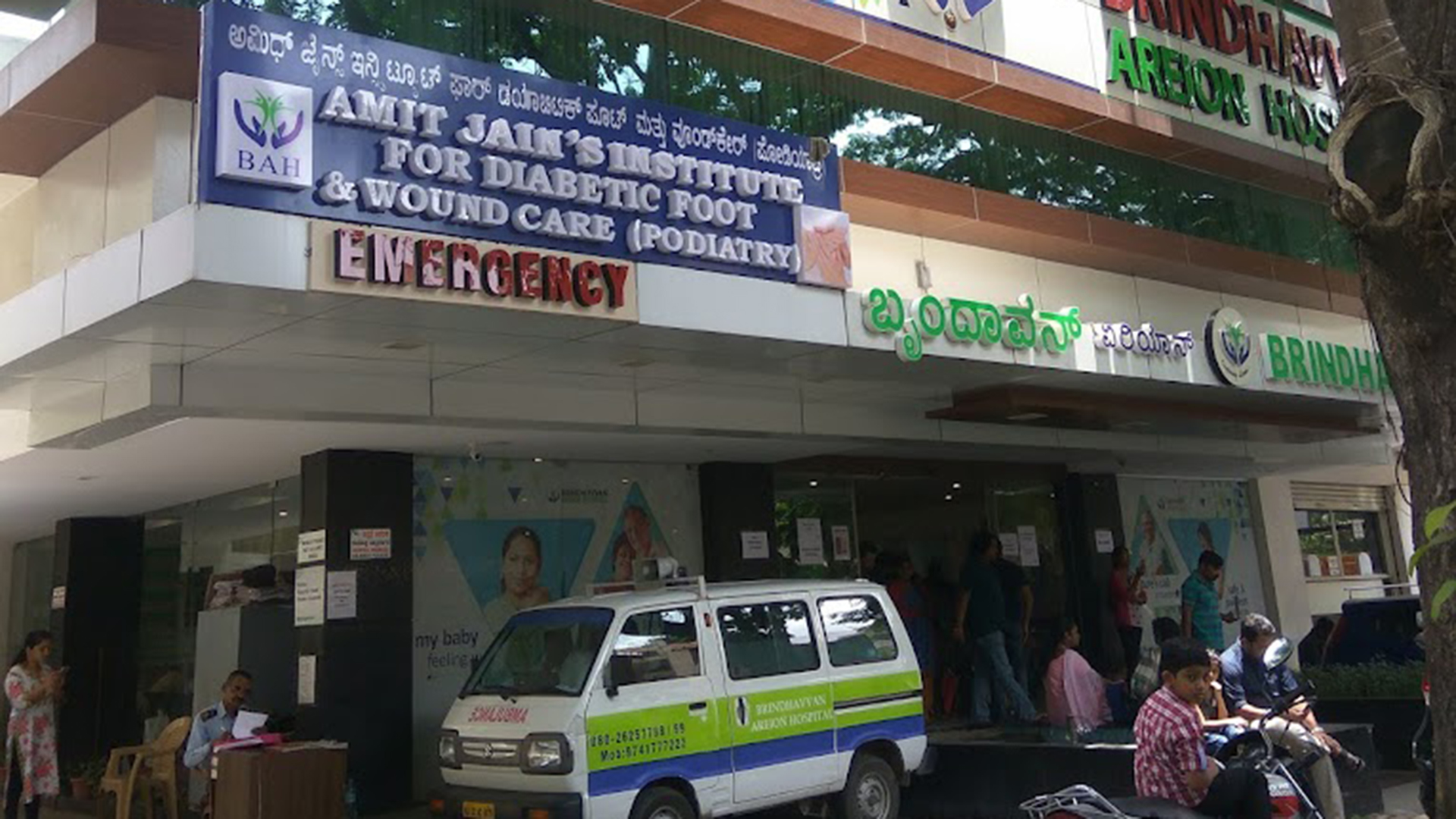
Brindhavvan Areion Hospital, at 17, 4th Main Road, Chamrajpet, Bengaluru 560018, is accessible to people living in Chamrajpet, Jayanagar and neighbouring areas. Services relevant to bone and joint care include:
- Orthopedic consultation and surgical care
- On-site X-ray, ultrasound, CT scan and laboratory tests
- Physiotherapy and rehabilitation
- Anaesthesia support for surgery
- 24/7 emergency and ambulance services for fractures and accidents
- Support with insurance paperwork. See Medical Insurance
You can see the hospital’s consultants on the Our Doctors page. If you want a general health review before starting an exercise programme, the hospital’s health check-up packages may be useful.
Tips to Keep Your Bones and Joints Healthy
- Stay active with regular, low-impact exercise such as walking, swimming or cycling.
- Warm up before exercise and cool down afterwards.
- Maintain a healthy weight to reduce stress on the knees and hips.
- Include calcium and vitamin D sources in your diet, and ask your doctor before taking supplements.
- Use correct posture at your desk and when lifting objects.
- Wear footwear that fits well and supports your feet.
- Do not ignore pain that persists. Early assessment prevents small problems from becoming larger ones.
Frequently Asked Questions (FAQs)
1. Where can I find orthopedics services in Chamrajpet, Bangalore?
Brindhavvan Areion Hospital at 17, 4th Main Road, Chamrajpet, has an Orthopedics department, orthopaedic surgery, physiotherapy, on-site diagnostics and 24/7 emergency care. To book a consultation, call 080 26257700 or use the online appointment link.
2. Can arthritis be cured?
Most types of arthritis are long-term conditions that are managed rather than cured. With the right combination of lifestyle changes, medicines, physiotherapy and, when necessary, surgery, many people keep their pain under control and stay active. Early diagnosis helps, especially for inflammatory arthritis.
3. When should I consult a sports injury doctor?
See a doctor if you felt a pop at the time of injury, the joint swells quickly or feels unstable, you cannot bear weight, or pain and swelling are not improving after a few days. Prompt assessment helps identify ligament or tendon tears early.
4. What is the most common cause of shoulder pain?
Rotator cuff problems and shoulder impingement are among the most common causes, along with frozen shoulder. Pain can also come from the neck. Because the cause varies, a proper examination is needed before treatment. Left shoulder pain with chest discomfort or breathlessness needs emergency care.
5. Do I need surgery for every orthopedic problem?
No. Many conditions, including arthritis, shoulder pain and mild to moderate sports injuries, improve with medicines, physiotherapy and lifestyle changes. Surgery is considered for fractures, severe tears or advanced joint damage, after discussion with your surgeon.
6. How long does physiotherapy take to show results?
This depends on the condition, its severity and how regularly you follow the programme. Some people feel better within a few sessions, while recovery after surgery or a major injury can take weeks to months. Your physiotherapist will set realistic goals after the first assessment.
7. Is physiotherapy available after joint surgery?
Yes. Rehabilitation usually begins soon after surgery, as advised by your surgeon, and continues until you regain movement and strength. Physiotherapy plays a key role in recovery after orthopedic procedures.
Conclusion
Joint and bone problems rarely improve by being ignored. Whether you are dealing with arthritis, a sports injury, shoulder pain or recovery after surgery, early assessment, an accurate diagnosis and a structured rehabilitation plan make the biggest difference. Choose a hospital where orthopedic consultation, diagnostics, surgery and physiotherapy are available together.
If you live in Chamrajpet, Jayanagar or anywhere in Bangalore and need advice about bone, joint or muscle problems, you can contact Brindhavvan Areion Hospital on 080 26257700, visit the Contact page, or book an appointment.