
Shoulder Pain Treatment in Bangalore
Shoulder pain is a common musculoskeletal problem that can affect people of different age groups. It may develop gradually due to repetitive movements, prolonged sitting, poor posture or age-related joint changes. In some cases, shoulder pain may occur suddenly following a sports injury, accident or lifting a heavy object. Even simple daily activities such as dressing, combing your hair, reaching for something on a shelf or sleeping comfortably can become difficult when shoulder movement is restricted.
Finding the right shoulder pain treatment in Bangalore is important to identify the underlying cause and prevent the condition from affecting your daily activities. Shoulder pain may involve the muscles, tendons, ligaments, bones or joints. Therefore, treatment should be based on an appropriate medical evaluation rather than temporary pain relief alone.
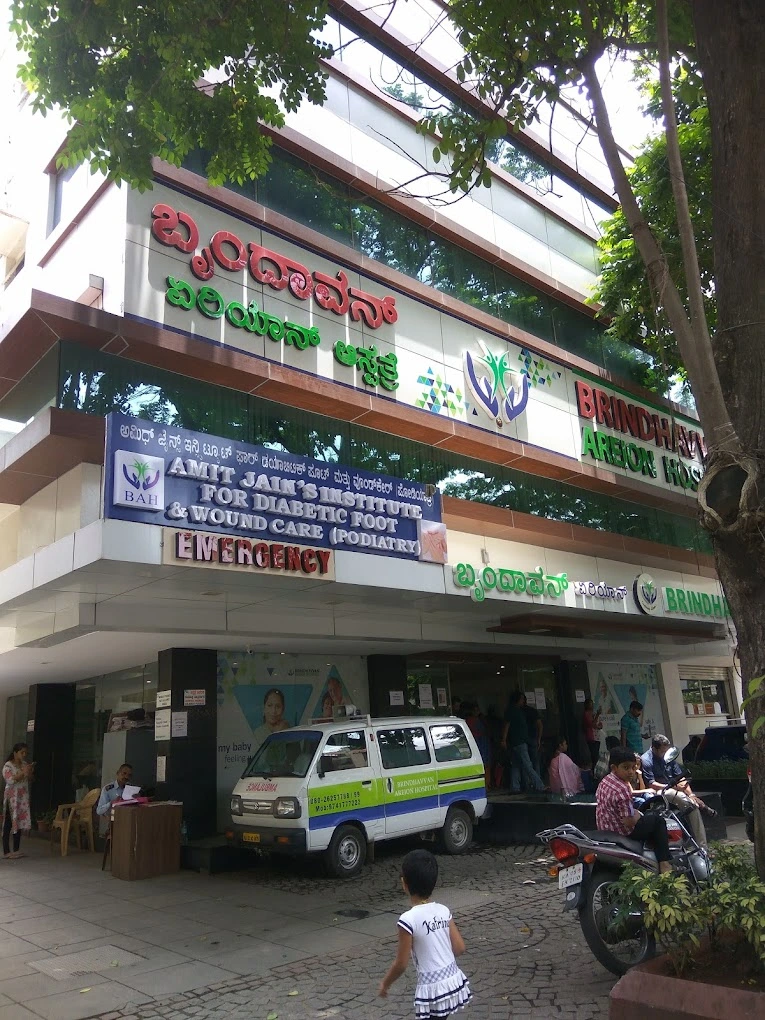
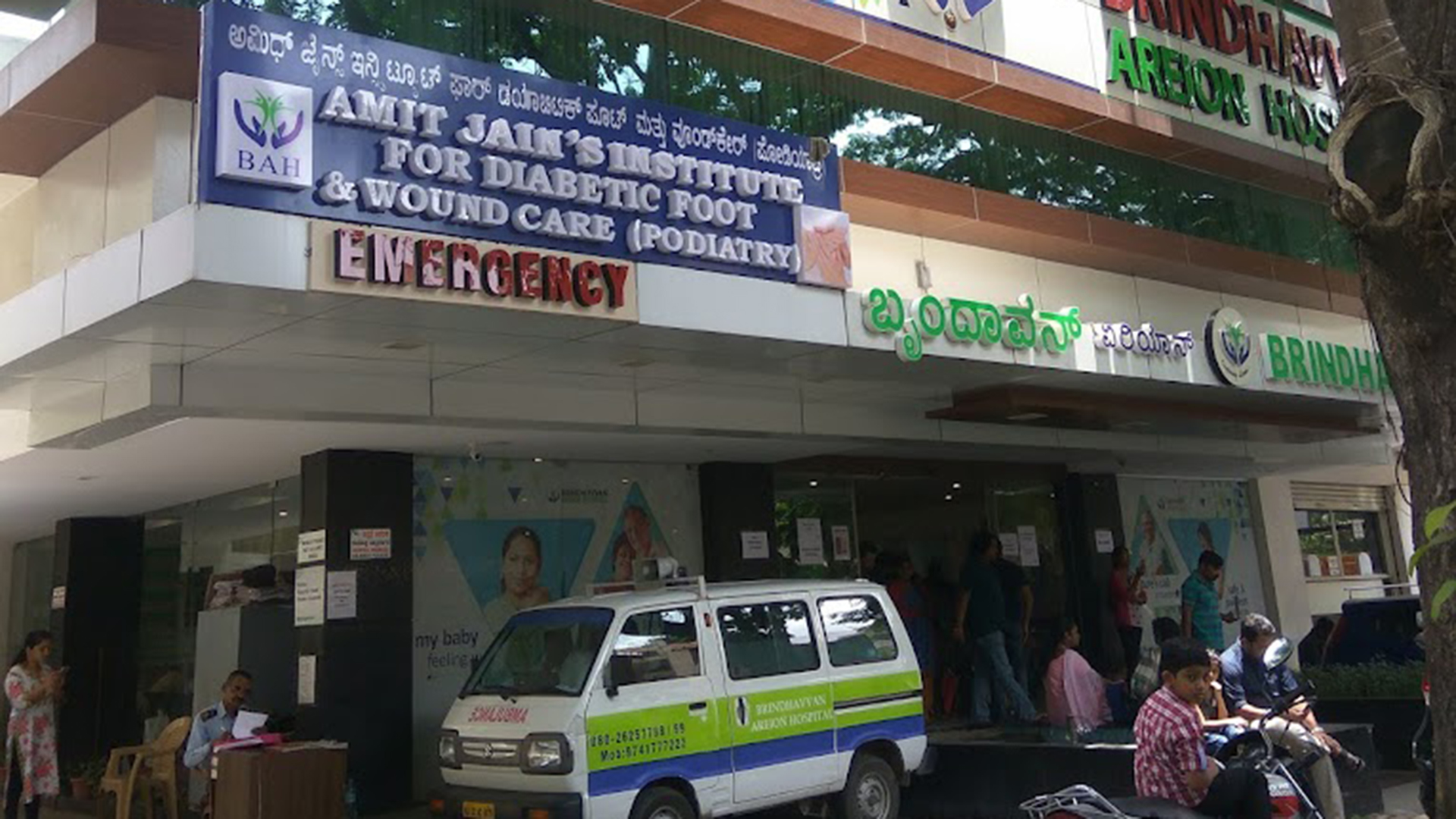
At Brindhavvan Areion Hospital, Chamrajpet, Bangalore, patients can access orthopaedic consultation, diagnostic support and physiotherapy services for the assessment and management of musculoskeletal conditions. Understanding the symptoms, possible causes and available treatment options can help patients make informed decisions about their shoulder health.
What Is Shoulder Pain?
Shoulder pain refers to discomfort, stiffness or restricted movement in or around the shoulder joint. The shoulder is a complex joint that connects the upper arm bone with the shoulder blade and collarbone. It contains muscles, tendons, ligaments and cartilage that work together to provide a wide range of arm movements.
Because the shoulder is highly mobile, it can be affected by injuries, inflammation, repetitive movements and degenerative conditions.
Shoulder pain may occur in one shoulder or both shoulders. Some people experience pain only while moving their arms, while others may have continuous discomfort even when resting.
If shoulder pain continues for several days, becomes severe or interferes with normal movement, consulting an orthopaedic specialist can help determine the cause and appropriate treatment.
Common Causes of Shoulder Pain
Understanding the cause of shoulder pain is the first step towards effective treatment. Several conditions can affect the shoulder joint and surrounding structures.
1. Frozen Shoulder
Frozen shoulder, medically known as adhesive capsulitis, is a condition that causes pain and stiffness in the shoulder joint. The connective tissue surrounding the joint becomes thick and tight, restricting normal movement.
Common symptoms include:
- Gradually increasing shoulder pain.
- Difficulty lifting the arm.
- Stiffness while reaching behind the back.
- Pain that becomes more noticeable at night.
- Difficulty performing everyday activities.
Frozen shoulder can develop gradually and may take several months or longer to recover. Frozen shoulder treatment in Bangalore generally focuses on controlling pain and improving joint mobility through appropriate medical care and physiotherapy.
2. Rotator Cuff Injury
The rotator cuff is a group of four muscles and tendons that support the shoulder joint and help control arm movement. Repetitive overhead activities, sports injuries, falls and age-related tendon changes can cause irritation or tears.
Symptoms may include:
- Pain while raising the arm.
- Weakness in the shoulder.
- Difficulty lifting or carrying objects.
- Pain while sleeping on the affected side.
- Reduced shoulder movement.
Rotator cuff injury treatment depends on the severity of the injury. It may include activity modification, medication, physiotherapy and, in selected cases, surgical treatment.
3. Shoulder Tendinitis
Shoulder tendinitis occurs when a tendon becomes irritated or inflamed, often due to repetitive movements or excessive strain.
People who regularly perform overhead activities, lifting tasks or repetitive arm movements may experience this condition.
Common symptoms include pain while moving the arm, tenderness around the shoulder and discomfort during physical activities.
4. Shoulder Bursitis
Bursae are small fluid-filled sacs that reduce friction between bones, tendons and muscles. Inflammation of these sacs can cause shoulder bursitis.
Patients may experience pain while lifting their arms, tenderness and difficulty sleeping on the affected shoulder.
5. Shoulder Arthritis
Shoulder arthritis develops when the protective cartilage within the joint gradually wears down. It may cause pain, stiffness and reduced movement.
The symptoms may become more noticeable with age and physical activity.
6. Shoulder Dislocation
A shoulder dislocation occurs when the upper arm bone moves out of its normal position in the shoulder socket. It commonly happens following a fall, accident or sports injury.
Symptoms can include severe pain, visible changes in shoulder shape, swelling and inability to move the arm normally.
A suspected shoulder dislocation requires urgent medical attention. Do not attempt to put the joint back into position yourself.
Symptoms That Indicate You May Need Shoulder Pain Treatment
Shoulder pain symptoms can vary depending on the underlying condition. Some problems cause mild discomfort, while others may significantly affect arm movement.
Look out for the following symptoms:
- Persistent pain in the shoulder joint.
- Difficulty lifting your arm above your head.
- Pain while reaching behind your back.
- Shoulder stiffness after waking up.
- Weakness while carrying objects.
- Pain that increases during physical activity.
- Clicking or popping sensations during movement.
- Swelling or tenderness around the shoulder.
- Shoulder discomfort that interrupts sleep.
If you experience persistent or worsening symptoms, consult a qualified medical professional for an evaluation.
When Should You Consult an Orthopaedic Doctor for Shoulder Pain?
Not every episode of shoulder pain requires advanced treatment. Mild discomfort caused by temporary muscle strain may improve with appropriate activity modification and care.
However, medical evaluation is recommended when:
- Shoulder pain does not improve after two weeks.
- You experience repeated episodes of shoulder pain.
- Your arm movement becomes restricted.
- You have difficulty performing routine activities.
- Pain continues during rest or sleep.
- You notice weakness or persistent numbness.
Seek urgent medical attention if shoulder pain follows a serious injury, your shoulder looks deformed, you cannot move your arm or you develop sudden severe pain. Shoulder pain accompanied by chest discomfort, breathlessness, sweating or pain spreading to the jaw or arm may indicate a cardiac emergency. Call emergency services immediately.
Early evaluation can help identify the condition and guide appropriate treatment.
How Is Shoulder Pain Diagnosed?
Accurate diagnosis is essential for selecting the right shoulder pain treatment. An orthopaedic doctor generally considers the patient’s medical history, symptoms, physical examination and diagnostic findings.
1. Medical History
The doctor may ask questions about:
- When the shoulder pain started.
- Whether the pain developed suddenly or gradually.
- Previous injuries or accidents.
- Daily activities and occupational movements.
- Whether the pain increases during specific movements.
- Existing medical conditions.
2. Physical Examination
The doctor examines the shoulder to assess tenderness, swelling, muscle strength and range of motion.
Specific movements may be performed to understand which structures could be affected.
3. X-Ray
An X-ray may help identify bone-related problems, fractures, joint alignment changes and signs of arthritis.
4. Ultrasound or MRI
Depending on the suspected condition, an ultrasound or MRI may be recommended to assess soft tissues such as muscles, tendons and ligaments.
5. Additional Investigations
Further investigations may be required depending on the patient’s symptoms and medical history.
The doctor determines which diagnostic tests are necessary based on the clinical findings.
Effective Shoulder Pain Treatment Options
The right treatment depends on the underlying cause, severity of symptoms, age, general health and level of shoulder movement restriction.
There is no single treatment suitable for every shoulder condition. A personalised treatment plan can help improve comfort, mobility and shoulder function.
1. Medication for Shoulder Pain
Doctors may recommend appropriate medication to manage pain and inflammation. The type of medication depends on the patient’s condition and medical history.
Patients should avoid taking painkillers without medical advice, particularly if they have other health conditions or regularly take medication.
2. Physiotherapy for Shoulder Pain
Physiotherapy is an important part of managing many shoulder conditions. A qualified physiotherapist can recommend exercises and rehabilitation techniques based on the patient’s diagnosis.
Physiotherapy may help with:
- Improving shoulder flexibility.
- Restoring joint movement.
- Strengthening supporting muscles.
- Improving posture.
- Reducing movement-related discomfort.
- Supporting recovery after an injury or surgery.
Shoulder exercises should be performed according to professional guidance. Exercises that cause significant pain should not be continued without reassessment.
3. Activity Modification
Certain activities may increase shoulder discomfort, especially repetitive overhead movements and heavy lifting.
Temporary modification of these activities may help reduce stress on the affected shoulder while recovery progresses.
However, completely avoiding shoulder movement for long periods can contribute to stiffness. The appropriate level of activity should be guided by a healthcare professional.
4. Injections
In selected cases, doctors may recommend an injection to manage inflammation and pain. The decision depends on the diagnosis, previous treatment response and individual health factors.
Injections are not suitable for every patient and should only be considered following medical evaluation.
5. Arthroscopic Shoulder Surgery
Some shoulder conditions may require surgical treatment, particularly when conservative management is unsuccessful or there is a significant structural injury.
Shoulder arthroscopy is a minimally invasive procedure in which a small camera and specialised instruments are inserted through small incisions to examine and treat problems inside the shoulder joint.
It may be considered for selected conditions such as:
- Certain rotator cuff tears.
- Labral injuries.
- Recurrent shoulder instability.
- Some cases of shoulder impingement.
- Selected joint-related problems.
The orthopaedic surgeon will explain whether surgery is appropriate and discuss the expected benefits, risks and rehabilitation requirements.
Shoulder Pain Treatment in Bangalore: Why Early Orthopaedic Evaluation Matters
People searching for shoulder pain treatment in Bangalore often look for a hospital that can help identify the cause of pain and recommend suitable treatment.
Delaying medical evaluation may allow certain shoulder conditions to become more difficult to manage. Persistent pain can also affect sleep, work, exercise and everyday activities.
An orthopaedic evaluation helps determine whether the symptoms are related to muscles, tendons, ligaments, bones or the shoulder joint.
At Brindhavvan Areion Hospital, Chamrajpet, Bangalore, patients can access orthopaedic services along with diagnostic facilities and physiotherapy support.
The hospital’s orthopaedic department provides care for various bone and joint conditions, including shoulder-related problems. The treating doctor can recommend further evaluation, rehabilitation or specialist intervention depending on the patient’s needs.
Why Choose Brindhavvan Areion Hospital for Orthopaedic Care in Bangalore?
Choosing the right hospital is an important step when seeking treatment for persistent joint pain or an orthopaedic condition.
Brindhavvan Areion Hospital is located at Chamrajpet, Bengaluru, Karnataka, and offers multiple medical departments and patient-care services.
Some of the hospital’s relevant facilities include:
- Orthopaedic consultation and care.
- Diagnostic support, including X-ray and CT scan facilities.
- Physiotherapy services.
- Multispeciality medical departments.
- Patient-focused medical care.
- Emergency support available round the clock.
Patients looking for an orthopaedic hospital in Bangalore can consult the medical team to understand the available services and appropriate treatment options.
The treatment plan is determined according to the patient’s clinical condition rather than using the same approach for every shoulder problem.
Tips to Prevent Shoulder Pain
Although not all shoulder conditions can be prevented, certain habits may help reduce unnecessary strain on the shoulder joint.
Maintain good posture: Keep your shoulders relaxed and avoid prolonged slouching while sitting or working.
Take regular breaks: If your work involves computer use or repetitive arm movements, take short breaks and change positions regularly.
Avoid sudden heavy lifting: Lift objects carefully and avoid placing excessive strain on your shoulders.
Exercise regularly: Appropriate strengthening and flexibility exercises can support shoulder function.
Warm up before sports: Prepare your muscles and joints before participating in physical activities.
Follow rehabilitation advice: If you have experienced a shoulder injury, follow your doctor’s or physiotherapist’s recommendations before returning to strenuous activities.
Do not ignore persistent pain: Early assessment may help identify shoulder problems before they interfere significantly with daily life.
Get the Right Shoulder Pain Treatment in Bangalore at Brindhavvan Areion Hospital
Shoulder pain can affect your ability to work, exercise, sleep and perform everyday activities. Whether the discomfort is caused by frozen shoulder, rotator cuff injury, tendinitis, bursitis or arthritis, identifying the underlying condition is important for selecting the right treatment.
If you are experiencing persistent shoulder pain, stiffness or restricted arm movement, consider consulting an orthopaedic specialist for an appropriate evaluation.
Brindhavvan Areion Hospital, located in Chamrajpet, Bangalore, provides orthopaedic care, diagnostic support and physiotherapy services to support patients with musculoskeletal conditions.
Book a consultation at Brindhavvan Areion Hospital to discuss your shoulder pain symptoms and understand the appropriate treatment options.
Website: https://www.brindhavvanareionhospitals.com/
Location: 17, 4th Main Road, Chamrajpet, Bengaluru, Karnataka – 560018.
Frequently Asked Questions (FAQs)
1. Which doctor should I consult for shoulder pain in Bangalore?
You should consult an orthopaedic doctor for persistent shoulder pain, restricted movement, suspected joint injuries or muscle and tendon problems. The doctor can assess your symptoms and recommend suitable investigations and treatment.
2. What is the best treatment for shoulder pain?
The best shoulder pain treatment depends on the underlying cause. Treatment may include medication, activity modification, physiotherapy, injections or surgery in selected cases. An orthopaedic evaluation helps determine the appropriate approach.
3. Can shoulder pain be treated without surgery?
Yes. Many shoulder conditions can be managed without surgery. Depending on the diagnosis, treatment may include physiotherapy, medication, activity modification and guided rehabilitation. Surgery is considered when clinically necessary.
4. How long does shoulder pain take to heal?
Recovery time depends on the cause and severity of the condition. Mild muscle strain may improve within a few weeks, while frozen shoulder, significant tendon injuries and other joint conditions may require several months or longer.
5. What causes shoulder pain while sleeping?
Shoulder pain during sleep may be associated with rotator cuff problems, bursitis, frozen shoulder or other joint conditions. Sleeping on the affected side may increase discomfort. Persistent night pain should be evaluated by a doctor.
6. Is physiotherapy effective for shoulder pain?
Physiotherapy can help many patients improve shoulder mobility, flexibility and muscle strength. The exercises and rehabilitation techniques should be selected according to the underlying condition.
7. When is shoulder surgery required?
Shoulder surgery may be recommended for certain significant rotator cuff tears, recurrent dislocations, labral injuries or other structural problems when non-surgical treatment is insufficient or unsuitable. The decision is made after a specialist assessment.
8. Where can I get shoulder pain treatment in Bangalore?
Patients looking for shoulder pain treatment in Bangalore can consult the orthopaedic department at Brindhavvan Areion Hospital, located at 17, 4th Main Road, Chamrajpet, Bengaluru, Karnataka 560018.
9. What are the common symptoms of a frozen shoulder?
Common symptoms include shoulder pain, stiffness, difficulty lifting the arm, restricted movement and discomfort while reaching behind the back. Symptoms often develop gradually.
10. Can poor posture cause shoulder pain?
Yes. Poor posture and prolonged positions may contribute to muscle tension and discomfort around the neck and shoulders. Maintaining proper posture and taking regular movement breaks may help reduce strain.