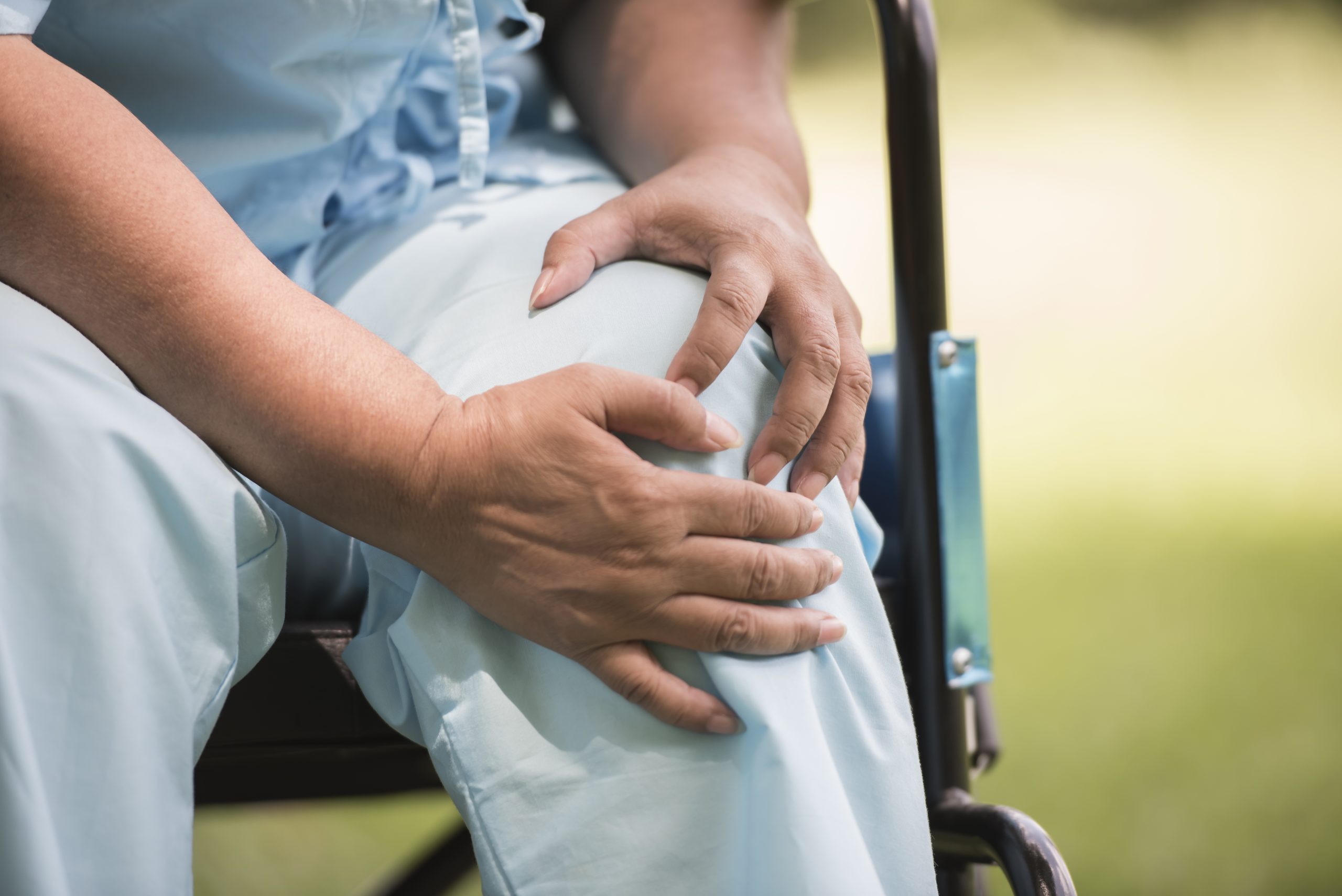
Stiff joints in the morning, knees that ache on the stairs, fingers that swell and hurt when you grip a cup: millions of people in India live with these problems and assume they are just part of getting older. Often they are signs of arthritis, a condition that is far easier to manage when it is treated early. If you are searching for arthritis treatment in Bangalore, this guide explains what arthritis is, how it is diagnosed, which treatments really work, and how to choose the right doctor.
If you live in Chamrajpet, Basavanagudi, Jayanagar or nearby, you will also see how Brindhavvan Areion Hospital supports patients with joint and bone problems, from the first consultation through to physiotherapy and surgery when it is needed.
What Is Arthritis?
Arthritis is not one disease. The word describes more than a hundred conditions that cause pain, swelling and stiffness in the joints. A joint is where two bones meet, cushioned by cartilage and lubricated by fluid. When that cartilage wears down, or when the body’s own immune system attacks the joint lining, movement becomes painful and limited. The most common types are:
| Type | What happens | Who is usually affected |
|---|---|---|
| Osteoarthritis | Cartilage gradually wears away, most often in knees, hips, hands and spine | Adults over 40, people with past joint injury or excess weight |
| Rheumatoid arthritis | The immune system attacks the joint lining, often on both sides of the body | Adults of any age, more often women |
| Gout | Uric acid crystals collect in a joint, causing sudden, intense pain, often in the big toe | Adults with high uric acid levels |
| Psoriatic arthritis | Joint inflammation linked to the skin condition psoriasis | People with psoriasis |
| Ankylosing spondylitis | Inflammation of the spine and pelvic joints | Often younger adults, more often men |
Because each type is treated differently, an accurate diagnosis matters more than any single pill or oil that promises quick relief.
Symptoms and When to See a Doctor
Symptoms differ by type, but these are the signs that most often bring people to a clinic:
- Joint pain that returns again and again or lasts more than a few weeks
- Stiffness, especially in the morning or after sitting for a long time
- Swelling, warmth or redness around a joint
- Reduced range of movement, or a joint that feels “locked” or gives way
- A grating or cracking feeling when you move
- Tiredness, low fever or weight loss, which can point to inflammatory arthritis
Book a consultation if joint pain limits your daily routine, if morning stiffness lasts longer than 30 minutes, or if several joints are affected together. Seek care quickly if a joint becomes suddenly hot, red and severely painful, if you have a fever along with a swollen joint, or if you cannot bear weight after an injury. These can indicate infection, a gout attack or a fracture.
How Arthritis Is Diagnosed
Diagnosis starts with a conversation and a physical examination. The doctor asks which joints hurt, when, and what makes the pain better or worse, then checks swelling, tenderness, movement and walking pattern. Depending on what they find, they may advise:
- Blood tests to look for inflammation, rheumatoid markers, uric acid and general health. Laboratory services are available at the hospital.
- X-rays to see joint spacing, bone changes and damage
- CT scan or ultrasound when more detail of bone or soft tissue is needed
- MRI in selected cases, to assess cartilage, ligaments and soft tissue
- Joint fluid analysis when infection or gout is suspected
Early, accurate testing allows treatment to begin before permanent joint damage occurs, which is especially important in rheumatoid arthritis.
Arthritis Treatment Options
There is no single cure for most types of arthritis, but good treatment can control pain, protect joints and keep you active. Your plan depends on the type of arthritis, the joints involved and your general health.
1. Medication.
Pain relievers and anti-inflammatory medicines ease symptoms. Inflammatory types such as rheumatoid arthritis often need disease-modifying drugs that slow the condition, and gout is treated with medicines that lower uric acid. Never self-medicate for long periods, because painkillers can affect the stomach, kidneys and heart.
2. Physiotherapy and exercise.
Guided exercise strengthens the muscles that support a joint, improves flexibility and reduces pain. The hospital’s physiotherapy services focus on rehabilitation, pain relief and mobility through tailored treatments.
3. Weight and lifestyle changes.
Every extra kilo adds several kilos of load on the knees and hips when you walk. Even modest weight loss, a balanced diet and regular low-impact activity such as walking, swimming or cycling can noticeably reduce knee pain.
4. Injections.
For some patients, joint injections give temporary relief when tablets and exercise are not enough. Your doctor will explain the benefits and limits.
5. Surgery.
When joints are badly damaged and daily life is affected despite other treatment, procedures may help. They range from arthroscopic (keyhole) surgery to joint replacement of the knee or hip. Read the hospital’s guide to hip replacement surgery in Chamrajpet for what the procedure and recovery involve.
Surgery is usually the last step. A good doctor will exhaust safe, non-surgical options first and explain risks honestly.
Arthritis Care at Brindhavvan Areion Hospital, Chamrajpet
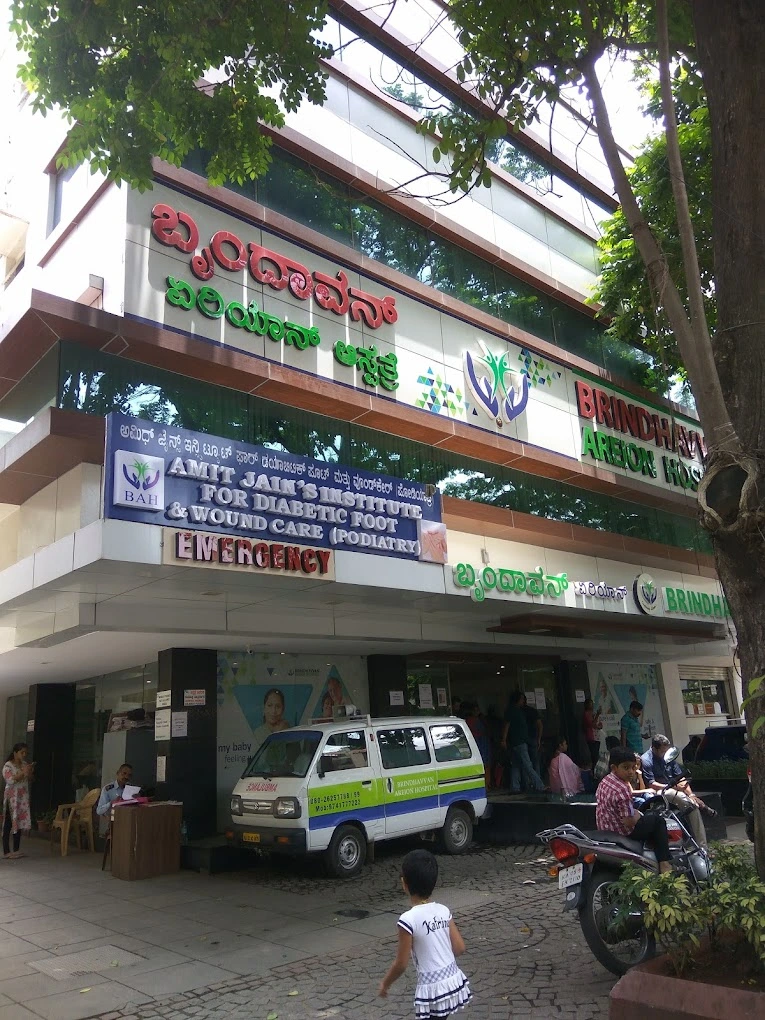
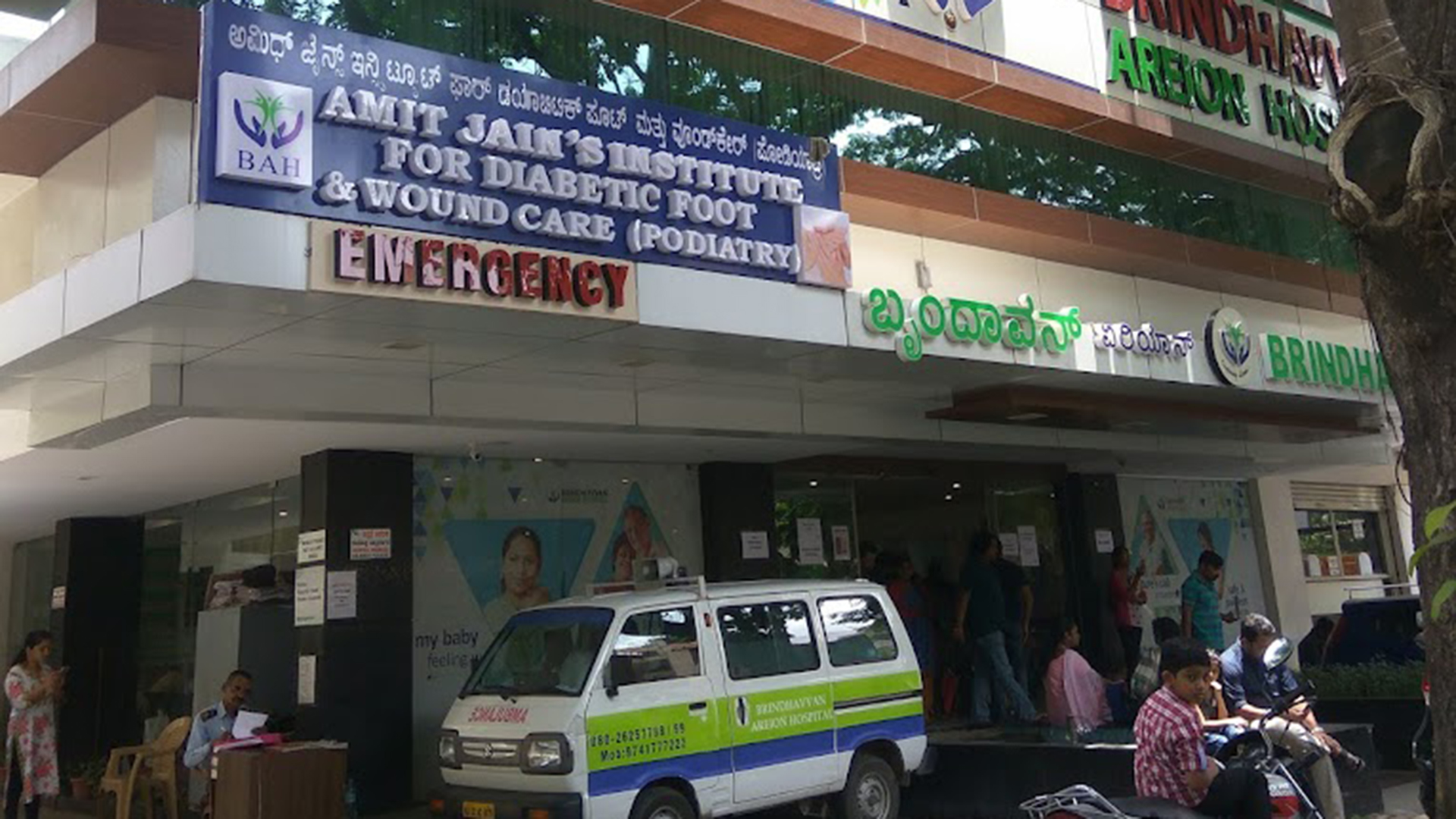
Brindhavvan Areion Hospital, at 17, 4th Main Road, Chamrajpet, Bengaluru 560018, is open 24 hours a day and brings the services arthritis patients commonly need into one place:
- Orthopaedic care. The Orthopedics department assesses joint, bone and soft tissue problems, and orthopaedic surgery is available when surgery becomes necessary.
- General medicine and endocrinology. General Medicine and Endocrinology help when arthritis is linked to conditions such as diabetes, thyroid problems or high uric acid.
- Diagnostics. X-ray, CT scan, ultrasound and laboratory services support diagnosis, and the Radiology and Pathology departments are listed on the website.
- Foot and ankle care. The Podiatric department can help with foot pain, flat feet and related problems. See the blog on foot pain care in Chamrajpet.
- Rehabilitation. Physiotherapy supports recovery with or without surgery.
- Support for patients. Information on admission and medical insurance is available in the Patient Care section.
To see the specialists, visit the Our Doctors page, which lists orthopaedic and surgical consultants with their qualifications. Since the website does not state each doctor’s area of focus, call 080 26257700 to confirm which specialist suits your type of arthritis before you visit.
For wider reading, see the hospital’s guide to orthopedics in Chamrajpet, Bangalore, which covers arthritis, sports injuries and shoulder pain.
Everyday Self-Care and Choosing the Right Doctor
Small daily habits make a real difference alongside medical treatment:
- Keep moving with gentle, regular exercise, and rest during flare-ups
- Use warmth to ease stiffness and cold packs to calm swelling
- Maintain a healthy weight and eat a balanced diet
- Wear supportive, well-fitting footwear
- Avoid sitting in one position for hours; stretch every 30 to 45 minutes
- Take medicines exactly as prescribed and keep follow-up appointments
When choosing an arthritis doctor in Bangalore, look for clear qualifications, a willingness to explain your diagnosis, a plan that starts with non-surgical care, on-site diagnostics and physiotherapy, and transparent costs. A health check-up is also a simple way to catch problems such as high uric acid or diabetes early.
Frequently Asked Questions
1. Can arthritis be cured completely?
Most types cannot be cured, but they can be controlled. Early treatment, medicines, exercise and lifestyle changes reduce pain and help prevent joint damage. Some forms, such as gout, can be well controlled with the right treatment.
2. What is the difference between osteoarthritis and rheumatoid arthritis?
Osteoarthritis comes from wear and tear of cartilage and usually affects a few weight-bearing joints. Rheumatoid arthritis is an immune condition that inflames the joint lining, often affecting joints on both sides of the body, with prolonged morning stiffness.
3. Which doctor should I see for arthritis in Bangalore?
An orthopaedic doctor or a general physician is a good starting point. Based on your tests, you may be guided to the right specialist for your type of arthritis.
4. Does arthritis always need surgery?
No. Most patients are managed with medicines, physiotherapy and lifestyle changes. Surgery, such as joint replacement, is considered only when joints are badly damaged and other treatments no longer help.
5. Which exercises are good for arthritis?
Low-impact exercises such as walking, swimming, cycling and gentle stretching are usually helpful. A physiotherapist can design a safe plan for your joints and your fitness level.
6. Can diet affect arthritis?
Yes. Maintaining a healthy weight eases pressure on joints, and people with gout may need to limit certain foods that raise uric acid. Ask your doctor for advice that fits your condition.
7. Is arthritis treatment covered by health insurance?
Coverage depends on your policy and the treatment. Carry your policy details and ask the hospital about approval and cashless options. See the medical insurance information at Brindhavvan Areion Hospital.
8. How can I book an appointment at Brindhavvan Areion Hospital?
You can book an appointment online, call 080 26257700, or use the contact page.
Conclusion: Do Not Ignore Joint Pain
Arthritis is common, but living with constant pain does not have to be your normal. The sooner you get a proper diagnosis, the more options you have to protect your joints and stay independent. If you are in Chamrajpet or anywhere in Bangalore, you can book an appointment at Brindhavvan Areion Hospital, call 080 26257700, or explore the Orthopedics department to learn more.
This article is for general information and does not replace medical advice. Please consult a qualified doctor about your own symptoms.