Doctor for Foot Pain in Chamrajpet, Bangalore
Foot pain rarely arrives with a warning. It may begin as a mild ache at the end of a long workday, a bump near the big toe that slowly gets worse, or a small sore on the sole that you barely notice. Because we use our feet all day, many people carry on walking and hope the problem goes away. Often it does not, and what could have been managed simply becomes harder to treat.
If you are searching for a doctor for foot pain, this guide is for you. It explains when to seek help, how flat feet treatment works for children and adults, what to expect when you look for bunion treatment near me, and why foot ulcer treatment is so important for people with diabetes. It is written for patients and families in Chamrajpet and across Bangalore.
When to See a Doctor for Foot Pain
Tired feet after a long day usually settle with rest. Pain that returns every day, wakes you at night or changes the way you walk deserves a proper check. Consider meeting a doctor for foot pain if you have:
- Pain lasting more than a week or two despite rest and better footwear
- Swelling, redness or warmth in the foot, ankle or toes
- A visible bump, curve or change in the shape of the foot
- Difficulty wearing regular shoes
- Pain in the arch, ball of the foot or toes during walking
- Numbness, tingling or burning sensations
- Any wound, blister or sore that is slow to heal
Which specialist you see depends on the cause. Bone and joint problems are usually handled by orthopaedic doctors, while foot wounds and nerve symptoms in people with diabetes are handled by a physician or diabetes care team, often along with wound care and physiotherapy. A first consultation with a doctor for foot pain helps point you to the right place.
Flat Feet Treatment: What You Need to Know
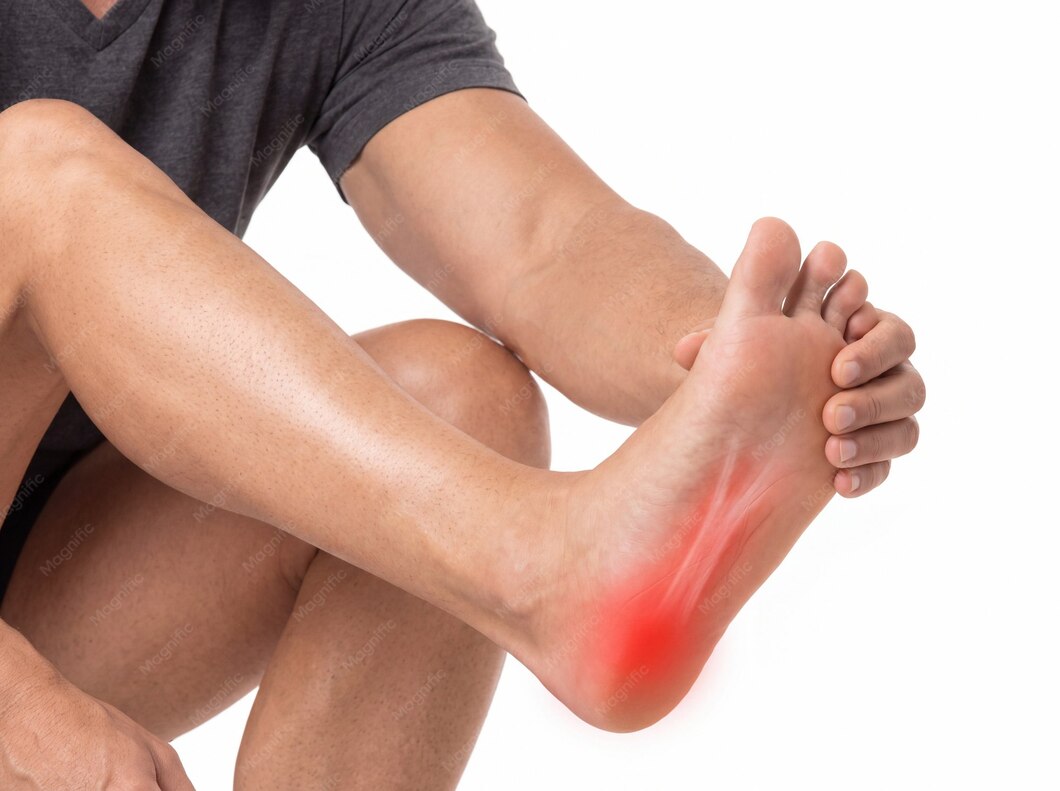
Flat feet, also called fallen arches, means the inner arch of the foot is low or touches the ground when you stand. Many children have flat feet that improve as they grow, and many adults have flat feet without any trouble. Treatment is needed when flat feet cause pain, tiredness or problems with walking.
Why Flat Feet Develop
- Natural foot shape and family tendencies
- Weak or stretched tendons that support the arch
- Past foot or ankle injuries
- Excess body weight
- Arthritis and other joint conditions
- Long hours of standing on hard surfaces
Signs That Flat Feet Need Attention
Pain in the arch or heel, aching in the ankles, knees or lower back, feet that tire quickly, and shoes that wear out unevenly can all be signs. In children, frequent complaints of leg pain, clumsy walking or reluctance to play may be a clue.
How Flat Feet Treatment Works
The right flat feet treatment depends on age, symptoms and the cause. A doctor will examine your arches while you stand and walk, and may advise an X-ray in some cases. Common approaches include:
- Supportive footwear with a firm sole and good arch support
- Insoles or orthotics to share weight evenly across the foot
- Strengthening and stretching exercises for the calf, ankle and foot muscles
- Physiotherapy to improve balance and walking pattern
- Weight management to reduce load on the arches
- Medicines for pain, if prescribed by your doctor
- Surgery, only in selected cases where non-surgical care has not helped
Most people with painful flat feet are managed without surgery. Consistent use of the advised footwear and exercises matters more than any single step. In children, a doctor will usually watch the foot as it develops before suggesting anything more.
Bunion Treatment Near Me: Understanding the Options
A bunion is a bony bump that forms at the base of the big toe, where the toe turns inward toward the others. It can be painful, red and swollen, and makes finding comfortable shoes difficult. People often search for bunion treatment near me only after the bump has become painful, but earlier evaluation gives more options.
What Causes Bunions
- Inherited foot structure
- Tight, narrow or pointed footwear, especially high heels
- Flat feet and loose joints
- Arthritis
- Jobs or habits that involve long hours on the feet
Non-Surgical Bunion Treatment
When you look for bunion treatment near me, you will find that most doctors begin with simple measures:
- Wider shoes with a roomy toe box and low heels
- Bunion pads or toe spacers to reduce rubbing and pressure
- Orthotic insoles to improve foot alignment
- Cold packs and prescribed medicines to settle pain and swelling
- Exercises to keep the toe joints flexible
- Activity changes to avoid long periods of standing in unsuitable shoes
These steps relieve discomfort and may slow progression, but they cannot straighten a bunion that has already formed.
When Is Surgery Considered?
Surgery is considered when pain is persistent, the deformity is significant, or daily activities are affected despite non-surgical care. There are several surgical techniques, and the choice depends on the severity of the deformity, your age, activity level and overall health. Your surgeon will explain the procedure, the recovery period, the possible risks and the realistic expectations. If you are exploring bunion treatment near me, make sure you ask these questions before deciding.
Foot Ulcer Treatment for Diabetic Patients
A diabetic foot ulcer is an open sore, usually on the sole or the sides of the foot, that is slow to heal. It is one of the most serious foot problems linked with diabetes, and early foot ulcer treatment can make a major difference to how well the foot recovers.
Why Do Diabetic Foot Ulcers Form?
Diabetes can damage the nerves of the feet, so a cut, blister or pressure spot may go unnoticed. It can also narrow blood vessels, reducing the blood flow that wounds need to heal. When high blood sugar and infection are added, a minor injury can quickly become a deep ulcer.
Warning Signs of a Diabetic Foot Ulcer
- A blister, cut or sore that is not healing
- Skin that is red, warm or swollen around a wound
- Pus, drainage or a foul smell
- Black, blue or pale skin on the toes or foot
- New numbness, burning or loss of feeling
- Fever or feeling unwell along with a foot wound
If you notice any of these, see a doctor on the same day. Delay can allow infection to spread.
What Does Foot Ulcer Treatment Involve?
Effective foot ulcer treatment is usually a team effort and often includes:
- Wound assessment to check size, depth and signs of infection
- Cleaning and removal of dead tissue by a trained professional
- Appropriate dressings chosen to suit the wound
- Offloading, which means taking pressure off the ulcer using special footwear, casts or rest
- Antibiotics when infection is present, as prescribed by the doctor
- Blood sugar control, because high sugar slows healing
- Circulation checks and, where needed, further evaluation of blood flow
- Regular follow-up until the wound is closed, and afterwards to prevent recurrence
Healing time depends on the size and depth of the ulcer, blood supply, infection and overall health, and cannot be promised in advance. Never try to treat a diabetic foot ulcer on your own with home remedies or by cutting dead skin at home.
Preventing Ulcers If You Have Diabetes
- Check both feet every day, including the soles and between the toes
- Wear well-fitting footwear and soft cotton socks, and avoid walking barefoot
- Wash and dry feet gently, and moisturise the heels and soles
- Do not cut corns or calluses yourself
- Keep blood sugar within the range advised by your doctor
- Have your feet examined by a doctor at least once a year, or as often as advised
How a Doctor for Foot Pain Finds the Cause
Foot pain can come from bones, joints, tendons, nerves, skin or blood vessels, so a careful assessment is important. When you meet a doctor for foot pain, you can expect:
- A conversation about when the pain began, what worsens it, your footwear, work and medical history.
- A physical examination of the foot and ankle, standing and walking, including the arches, toes, skin, pulses and sensation.
- Tests when needed, such as an X-ray, ultrasound, blood tests or nerve and circulation checks.
- A treatment plan that explains the options, what to expect and when to return for review.
Share the shoes you wear every day, and mention any diabetes, arthritis or past injuries. This information helps your doctor choose the right treatment.
Everyday Habits for Healthier Feet
- Choose shoes that fit well, with space for your toes and support under the arch
- Avoid high heels and pointed shoes for long periods
- Replace worn-out footwear regularly
- Stretch your calves and feet, especially if you stand for long hours
- Maintain a healthy weight
- Keep your feet clean and dry, particularly in the monsoon
Seek urgent medical care for severe pain after an injury, a foot that cannot bear weight, sudden swelling with fever, a spreading red area, or any wound with pus or a bad smell.
Consult a Doctor for Foot Pain in Chamrajpet
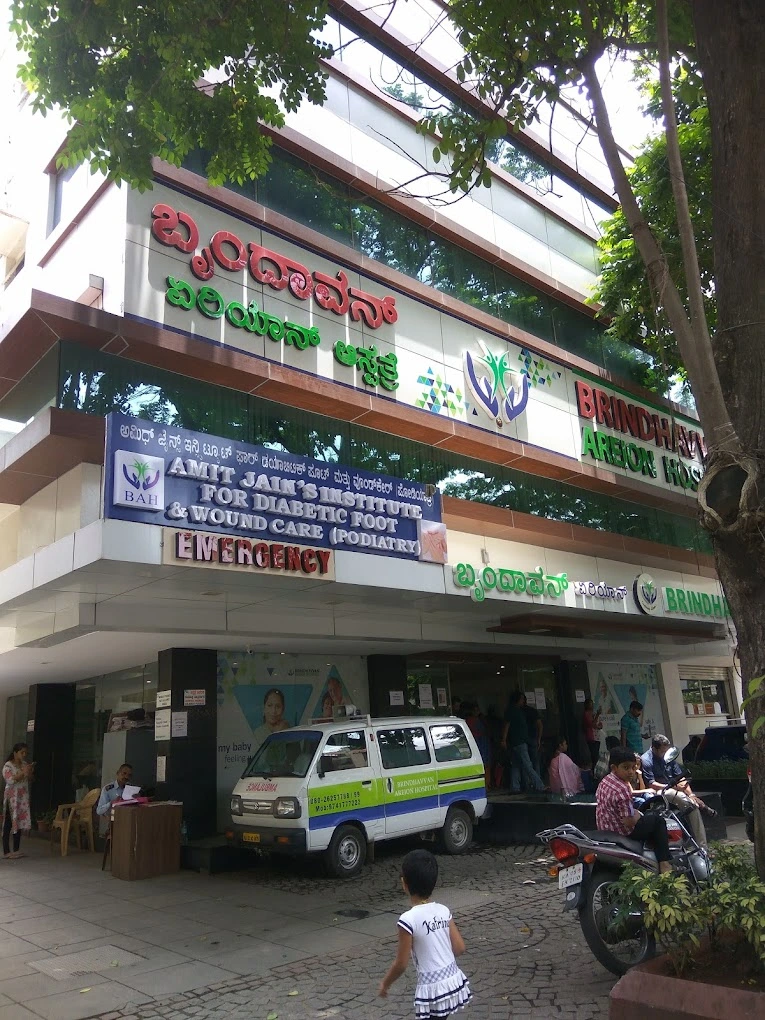
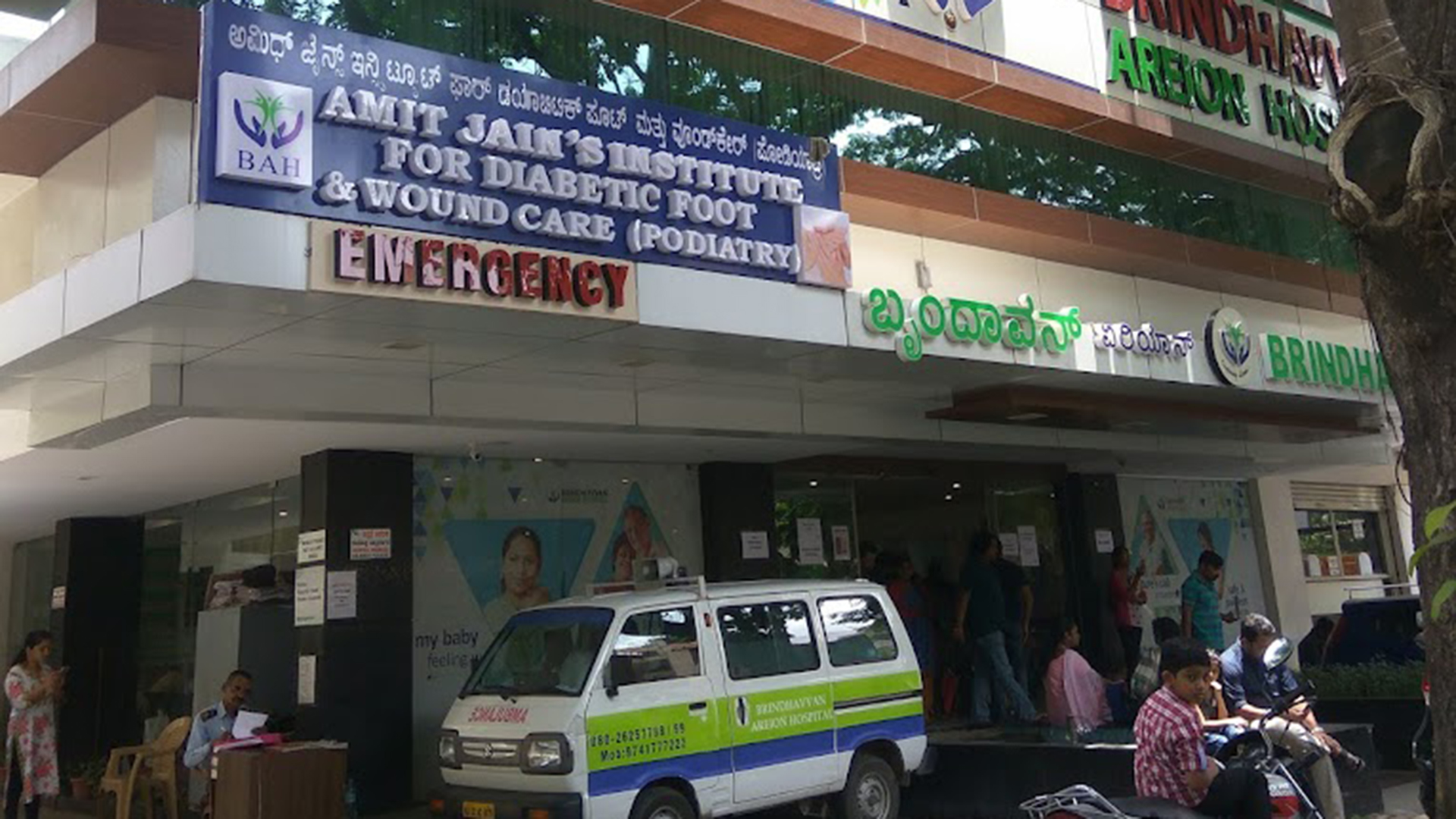
If you live or work in Chamrajpet or elsewhere in Bangalore, you can consult the doctors at Brindhavvan Areion Hospital for foot, ankle and heel problems. Patients looking for flat feet treatment, bunion treatment near me or help with joint pain can start with our orthopaedics department, while people with diabetes can speak to our general medicine team about foot checks and foot ulcer treatment. You can also view our doctors, contact us to schedule an appointment, or use our emergency services for sudden or severe symptoms.
Frequently Asked Questions (FAQs)
1. When should I see a doctor for foot pain?
See a doctor for foot pain if it lasts more than a week or two, keeps returning, comes with swelling or a change in foot shape, or follows an injury. If you have diabetes, any foot wound, numbness or colour change should be checked promptly.
2. Do flat feet always need treatment?
No. Many people have flat feet without any symptoms and need no treatment. Flat feet treatment is advised when there is pain, fatigue, difficulty walking or strain in the ankles, knees or back.
3. Can a bunion go away without surgery?
Non-surgical care such as wider shoes, pads and insoles can reduce pain and may slow progress, but it cannot reverse the bony change. If you are searching for bunion treatment near me, a doctor can advise whether surgery may be worth considering for you.
4. How is a diabetic foot ulcer treated?
Foot ulcer treatment usually includes wound cleaning, suitable dressings, taking pressure off the ulcer, infection control and blood sugar management, with regular follow-up. Early treatment gives the best chance of healing.
5. Can I treat a diabetic foot ulcer at home?
No. Home remedies, ointments or cutting skin yourself can worsen infection. Cover the area loosely with a clean dressing and see a doctor the same day.
6. Which footwear helps with flat feet and bunions?
Shoes with a wide toe box, firm sole, good arch support and a low heel are generally recommended. Your doctor may also suggest custom or ready-made insoles based on your examination.