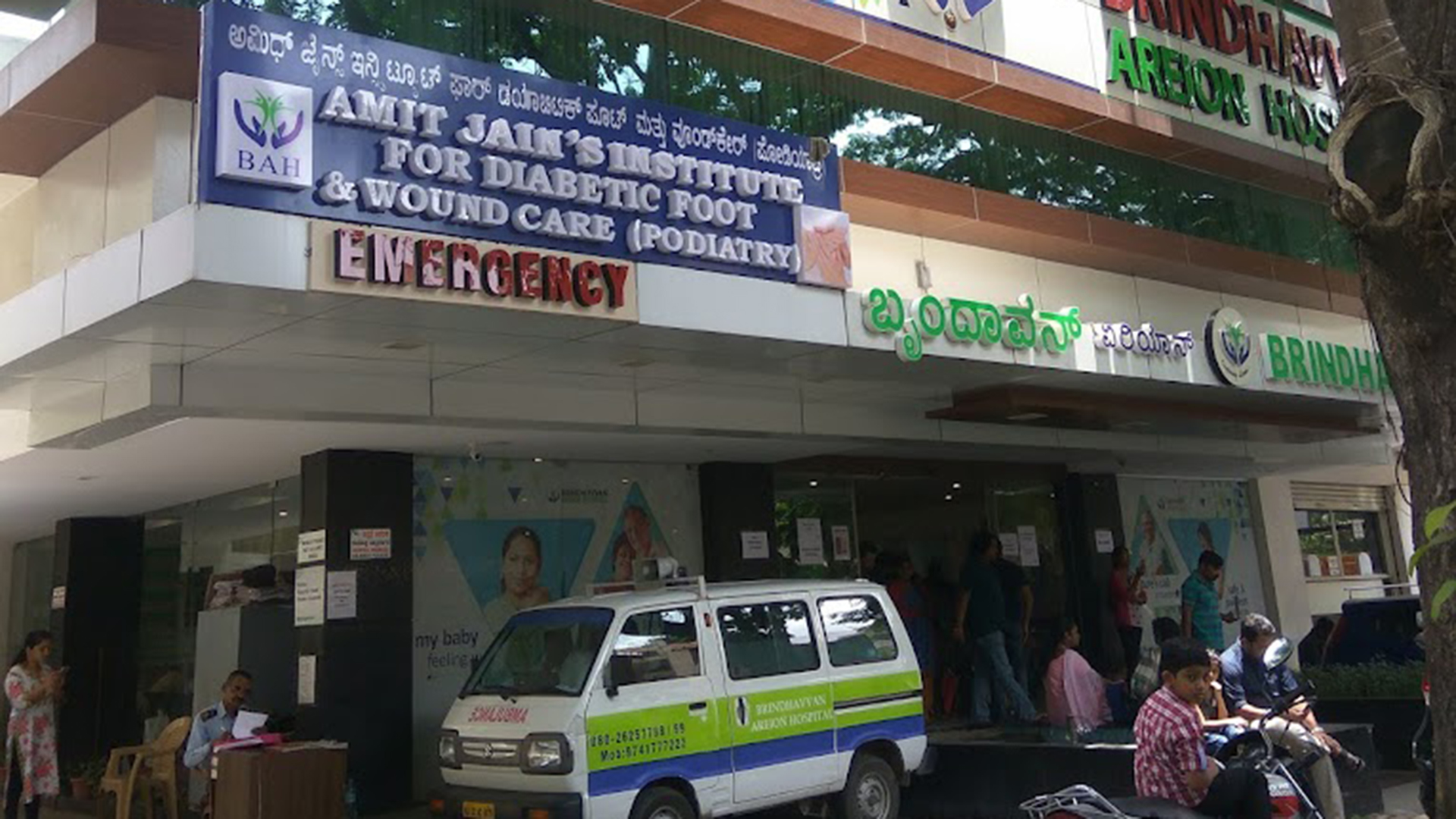

Podiatrist Near Me in Chamrajpet, Bangalore
Your feet carry your entire body weight through every step of the day, yet they are usually the last part of the body we think about, until something starts to hurt. If you have ever typed podiatrist near me into your phone after a stabbing pain in the heel, a recurring toenail infection, or a small wound that refuses to heal, you are not alone. Foot problems are among the most common reasons adults visit a hospital, and in a busy city like Bangalore, long commutes, hard flooring and tight footwear make them even more likely.
This guide explains what a podiatrist does, when you should look for a foot doctor near me instead of waiting for the pain to pass, why people with diabetes need a diabetic foot care specialist, and what proper heel pain treatment involves. It is written for patients and families in Chamrajpet and across Bangalore who want clear, practical information before booking a consultation.
What Does a Podiatrist Do?
A podiatrist is a healthcare professional who focuses on the foot, ankle and lower leg: the skin, nails, bones, joints, muscles, nerves and blood supply, and how they affect the way you stand and walk.
When people search for a podiatrist near me, they are usually looking for help with:
- Persistent heel or arch pain
- Bunions, corns, calluses and ingrown toenails
- Flat feet or high arches
- Fungal infections of the skin and nails
- Diabetes-related foot problems such as numbness, ulcers and slow-healing wounds
- Sports injuries and overuse problems
- Advice on footwear and insoles
In many hospitals, foot care is delivered by a team. Orthopaedic doctors, physicians, diabetes care teams, physiotherapists and wound care staff may all be involved, depending on the problem. Having several departments under one roof can make the journey from diagnosis to recovery simpler.
Why Foot Health Deserves More Attention
Each foot contains 26 bones and 33 joints, along with many muscles, tendons and ligaments. This structure absorbs shock, balances the body and pushes you forward with every step. A small foot problem can change the way you walk, and that in turn can strain the knees, hips and lower back.
Yet foot pain is often brushed aside as “just tiredness”. Over time, minor issues can become chronic, and in people with diabetes or poor circulation they can become serious. Early assessment by a qualified foot doctor near me often means simpler treatment and a faster return to normal activity.
When Should You See a Foot Doctor Near Me?
Consider booking a consultation with a foot doctor near me if you notice any of the following:
- Pain lasting more than one or two weeks despite rest and comfortable footwear.
- Swelling, redness or warmth in the foot or ankle, especially without an injury.
- Numbness, tingling or burning in the toes or soles.
- A wound or blister that is slow to heal or keeps returning.
- Changes in skin or nail colour, thickened nails, or persistent itching between the toes.
- Difficulty walking or a change in your walk.
- Foot deformities such as a bump at the base of the big toe.
- Diabetes of any duration, even if your feet feel fine, because early nerve damage is often painless.
If you are unsure whether your symptoms are serious, it is safer to have them checked. A short assessment can rule out serious causes and give you a clear plan.
Common Foot Problems a Podiatrist Treats
Plantar fasciitis is the most common cause of pain under the heel, and is covered in detail in the heel pain section below.
Bunions and toe deformities are bony bumps at the base of the big toe, often worsened by narrow shoes. Early care focuses on wider footwear, padding and exercises. Surgery is considered only when pain and deformity interfere with daily life.
Ingrown toenails cause pain, swelling and sometimes infection. Mild cases respond to proper nail care, while recurrent or infected nails may need a minor procedure.
Flat feet and high arches change how weight is spread across the foot. Supportive footwear, insoles and strengthening exercises often reduce strain.
Fungal infections such as athlete’s foot are common in humid weather. They need consistent treatment and good hygiene, and should be evaluated carefully in people with diabetes.
Corns and calluses form from repeated pressure. Cutting them at home with blades can cause infection, so professional care is safer.
Diabetic Foot Care Specialist: Why People with Diabetes Need One
Diabetes affects the feet in two main ways. First, high blood sugar over time can damage nerves, a condition called peripheral neuropathy, which reduces the ability to feel pain, heat and injury. Second, diabetes can narrow blood vessels, reducing blood flow and slowing wound healing.
Together, these changes mean a small blister from a new pair of shoes can go unnoticed, become infected and turn into a deep ulcer. This is why a diabetic foot care specialist is an important part of long-term diabetes management, not only someone to see when something goes wrong.
What a Diabetic Foot Care Specialist Checks
A diabetic foot care specialist will typically:
- Test sensation in the feet using simple tools
- Check pulses and circulation
- Inspect the skin, nails and spaces between the toes
- Look for deformities and pressure points
- Review blood sugar control and other health conditions
- Examine your footwear and suggest suitable options
- Treat existing wounds with appropriate dressings and infection control
Many doctors recommend a foot examination at least once a year for people with diabetes, and more often if there is numbness, deformity or a past ulcer. Your treating doctor will advise the right schedule.
Warning Signs That Need Prompt Attention
If you have diabetes, do not wait if you notice a wound that is not healing, redness or swelling in one foot, pus or a foul smell, black or bluish skin, new numbness or burning, or fever along with a foot wound. These can point to infection or poor blood supply and should be assessed the same day.
A Simple Daily Foot Care Routine
A good diabetic foot care specialist will always stress daily habits, because most problems can be caught early at home.
- Check your feet daily, including soles and between the toes. Use a mirror or ask a family member.
- Wash gently with lukewarm water and dry carefully between the toes.
- Moisturise soles and heels, but not between the toes.
- Never walk barefoot, even at home.
- Wear soft, well-fitting footwear and clean cotton socks.
- Trim nails straight across and not too close to the skin.
- Avoid hot water bottles on the feet, as reduced sensation can lead to burns.
- Keep blood sugar in the range advised by your doctor, and avoid smoking.
Heel Pain Treatment: Causes, Options and Recovery
Heel pain is one of the most frequent reasons people look for heel pain treatment online. Most heel pain improves with the right approach, provided the cause is identified correctly.
Common Causes of Heel Pain
- Plantar fasciitis: pain under the heel, worst with the first steps in the morning
- Heel spur: a bony growth that may or may not be the real source of pain
- Achilles tendinitis: pain at the back of the heel, common after sudden increases in activity
- Bursitis: inflammation of fluid-filled sacs near the heel
- Stress fracture: a small crack in the heel bone from repeated impact
- Nerve irritation: burning or tingling pain
- Arthritis and other inflammatory conditions
Because these feel similar, a proper examination is more reliable than guessing. Self-treating the wrong cause can delay recovery.
Home Measures That Support Heel Pain Treatment
For mild pain, doctors often suggest reducing running, jumping and long hours on hard floors for a few days, applying a cloth-wrapped cold pack for 10 to 15 minutes a few times a day, and wearing shoes with good arch support and cushioned heels instead of flat slippers. Gentle calf and plantar fascia stretches, done regularly, ease tension on the heel, and weight management reduces load with every step. If the pain has not improved after a couple of weeks, consult a professional.
Clinical Heel Pain Treatment Options
After evaluation, heel pain treatment may include:
- Medicines to reduce pain and inflammation, as prescribed by your doctor
- Physiotherapy, including stretching, strengthening and manual therapy
- Orthotic insoles or heel cups to redistribute pressure
- Night splints to keep the foot gently stretched during sleep
- Injection-based options or shockwave therapy in selected cases, after discussing risks and benefits
- Surgery, rarely required and considered only when months of non-surgical care have not helped
Recovery varies from person to person. Many people improve gradually over several weeks, while long-standing cases take longer. Consistency with exercises and footwear changes matters as much as any single treatment, and no clinician can promise a specific outcome.
Footwear and Prevention
Whether you need a podiatrist near me for treatment or simply want to avoid problems, these habits help:
- Buy shoes in the evening, leaving about a thumb’s width of space at the toes.
- Replace worn-out sports and work shoes regularly.
- Avoid high heels and pointed shoes for long hours.
- Warm up before exercise and increase activity gradually.
- Keep feet clean and dry, especially during the monsoon.
- Do not ignore foot pain, even if it seems minor.
Seek immediate care for severe pain after an injury, inability to bear weight, a deformed-looking foot, sudden swelling with fever, a spreading red area, or any wound with pus or a bad smell, particularly if you have diabetes.
Looking for a Foot Doctor Near Me in Chamrajpet?
If you live or work in Chamrajpet or elsewhere in Bangalore, you can consult the doctors at Brindhavvan Areion Hospital for assessment of foot, ankle and heel problems. When you look for a podiatrist near me, it helps to choose a hospital where several specialities work together. Patients with bone, joint or heel concerns can start with our orthopaedics department, while those with diabetes can speak to our general medicine team about regular foot checks. You can also view our doctors, contact us to schedule an appointment, or use our emergency services for sudden or severe symptoms.
Searching for a podiatrist near me or a diabetic foot care specialist is the first step. Getting the right examination and following the advice consistently is what makes the difference.
Frequently Asked Questions (FAQs)
1. Who should I consult if I search for a foot doctor near me?
Depending on your problem, you may be guided to an orthopaedic doctor, a physician, a diabetes care team or a podiatrist. Bone, joint and heel problems usually go to orthopaedics, while foot wounds and numbness in people with diabetes go to a physician or diabetes team. A brief consultation with a foot doctor near me will direct you to the right specialist.
2. How do I know if I need a diabetic foot care specialist?
If you have diabetes, regular foot checks are advisable even without symptoms. See a diabetic foot care specialist promptly if you notice numbness, tingling, a slow-healing wound, skin colour changes or signs of infection. Do not wait for pain, as nerve damage can hide it.
3. What is the most effective heel pain treatment?
No single option suits everyone, because the right heel pain treatment depends on the cause. Plantar fasciitis usually responds to stretching, supportive footwear, insoles and physiotherapy, while other causes need different approaches. A proper diagnosis comes first.
4. How long does heel pain take to go away?
Mild cases may settle in a few weeks with rest, stretching and better footwear. Long-standing heel pain can take several months. If pain has lasted more than two weeks despite home care, get it examined.
5. Can walking barefoot cause heel pain?
Walking barefoot on hard floors for long periods can strain the heel and arch and worsen existing pain. For people with diabetes it also raises the risk of unnoticed injuries, so supportive footwear indoors is a simple precaution.
6. Is foot pain always serious?
Not always. Many foot problems are mild and improve with simple care. However, persistent pain, swelling, wounds or numbness, or any change in the foot of a person with diabetes, should be evaluated by a doctor.