
Bangalore’s monsoon brings welcome relief from the summer heat, but for thousands of residents in Chamrajpet, Basavanagudi, and surrounding neighborhoods, it also brings a predictable wave of sinus infections, blocked noses, ear discomfort, and throat trouble. If you find yourself reaching for tissues every July and August, or if a “simple cold” seems to linger for weeks instead of days, it may be time to consult an ENT doctor in Chamrajpet rather than waiting it out.
This guide walks you through why monsoon is such a difficult season for your ears, nose, and throat, which symptoms are normal versus which ones need medical attention, and when it makes sense to book a consultation with a specialist.
Why Sinus Issues Spike During Bangalore’s Monsoon
The sinuses are air-filled spaces behind your forehead, cheekbones, and nose that are lined with a thin layer of mucus-producing tissue. During the monsoon, several factors combine to make this delicate system more vulnerable:
- Sudden temperature and humidity swings between air-conditioned indoor spaces and damp outdoor air irritate the nasal lining.
- Increased mould and dust mite activity in damp homes and offices triggers allergic reactions in sensitive individuals.
- Waterlogging and stagnant water around Chamrajpet and Basavanagudi create breeding grounds for bacteria and viruses that spread respiratory infections.
- Reduced sunlight and ventilation during heavy rains keep indoor air more humid, encouraging fungal and bacterial growth.
As a result, ENT clinics across Bangalore typically see a noticeable rise in patients seeking a sinus specialist in Bangalore between June and September. If you’ve noticed your symptoms returning every year around this time, your body may simply be reacting predictably to the same seasonal triggers.
Common ENT Problems During Monsoon
While a mild cold is common and usually resolves on its own, monsoon season tends to bring a specific cluster of ENT complaints that are worth understanding individually.
1. Sinusitis
Sinusitis occurs when the sinus lining becomes inflamed, often following a viral cold or allergy flare-up. Symptoms include facial pain or pressure, thick nasal discharge, reduced sense of smell, and headaches that worsen when bending forward. Acute sinusitis can resolve in one to two weeks, but if it persists beyond that, it may be turning chronic and warrants proper evaluation.
2. Blocked Nose and Nasal Congestion
A blocked nose during monsoon is one of the most common reasons people search for ENT care this time of year. Persistent congestion can result from allergic rhinitis, viral infections, or structural issues like a deviated septum that only becomes noticeable when swelling narrows the nasal passage further.
3. Ear Infections
Excess humidity and water exposure during monsoon increase the risk of both outer ear infections (often linked to swimming or bathing) and middle ear infections that follow a cold. If you’re searching for ear infection treatment in Bangalore, common signs include ear pain, a feeling of fullness, temporary hearing reduction, or fluid discharge.
4. Throat Infections
Sudden temperature changes — stepping from an air-conditioned room into warm, humid air — commonly trigger sore throats, tonsillitis, and laryngitis. Anyone searching for a throat infection doctor near me during monsoon is usually dealing with this exact pattern: a scratchy throat that worsens by evening and sometimes comes with mild fever.
5. Allergic Rhinitis
For people with pre-existing allergies, monsoon humidity often worsens sneezing fits, itchy eyes, and a runny nose. Unlike a typical viral cold, allergic rhinitis tends to last as long as the trigger (mould, dust, pollen) remains present, sometimes for the entire season.
Symptoms You Shouldn’t Ignore
Most monsoon-related ENT issues are manageable and short-lived. However, certain symptoms are signals that self-care at home isn’t enough, and a visit to a specialist is warranted:
- Nasal congestion or facial pain lasting more than 10–14 days
- Fever above 101°F that doesn’t improve with basic care
- Ear pain accompanied by hearing loss or discharge
- Difficulty swallowing or breathing
- Recurring sinus infections more than 3–4 times a year
- Severe headache concentrated around the eyes or forehead
- Persistent hoarseness or voice change lasting more than two weeks
If any of these apply to you, it’s a reasonable point to stop waiting and book a consultation with an ENT doctor in Chamrajpet rather than continuing to self-treat.
When to See an ENT Specialist
A general physician can manage a straightforward cold, but there are specific situations where seeing an ENT specialist directly saves time and prevents complications:
You’ve had more than one sinus infection in the past few months. Recurrent sinusitis often points to an underlying structural issue — such as nasal polyps or a deviated septum — that a general check-up won’t catch but an ENT examination will.
Over-the-counter treatments aren’t helping. If decongestants and steam inhalation stop making a difference after a few days, it’s a sign the infection needs proper clinical evaluation rather than continued home management.
You have ear pain along with hearing changes. This combination should never be left untreated, since ear infections that go unaddressed can occasionally affect hearing longer-term.
Your child has frequent ear or throat infections. Children are particularly prone to monsoon-related ENT issues due to their smaller nasal passages and developing immune systems. A pediatric-aware ENT evaluation can identify patterns that parents might otherwise attribute to “just another cold.”
You snore loudly or have disturbed sleep alongside nasal blockage. Chronic nasal obstruction can affect sleep quality, and an ENT specialist can assess whether structural correction or other treatment is appropriate.
Diagnosis and Treatment Options
When you visit an ENT specialist for monsoon-related complaints, the evaluation is usually quick and non-invasive. It typically includes:
- A detailed symptom history — how long symptoms have lasted, whether they recur seasonally, and any known allergies.
- A physical examination of the nose, throat, and ears using standard ENT instruments, sometimes including a nasal endoscopy for a clearer view of the sinus passages.
- Hearing assessment, if ear-related symptoms are present.
- Imaging (if needed), such as an X-ray or CT scan, for cases of suspected chronic sinusitis or structural blockage.
Treatment depends entirely on the diagnosis. Mild infections are often managed with medication and supportive care, while recurring or structural issues may require more targeted intervention. The goal of a proper ENT consultation isn’t just to treat the current episode, but to understand why it keeps happening — which is the key difference between temporary relief and lasting improvement.
Prevention Tips for Monsoon ENT Health
While some monsoon exposure is unavoidable, a few consistent habits reduce your risk of recurring sinus and throat trouble:
- Keep indoor spaces dry and well-ventilated to limit mould growth, especially in bathrooms and kitchens.
- Avoid sudden temperature shifts — carry a light shawl or scarf when moving between air-conditioned and humid outdoor spaces.
- Stay hydrated to keep mucus thin and easier for your body to clear naturally.
- Practice regular hand hygiene to reduce the spread of the viruses responsible for most monsoon colds.
- Clean and dry your ears gently after getting caught in the rain or after bathing, without inserting anything into the ear canal.
- Use a humidifier or saline nasal spray if your home tends to be dry despite the season, or dry indoor air from air conditioning is a trigger for you.
- Get a seasonal check-up if you experience the same ENT issues every year — catching early warning signs before peak monsoon can prevent a full-blown infection.
Monsoon ENT Care: Home Remedies vs. When They Stop Working
It’s worth being honest about what home care can and can’t do. Steam inhalation, warm saline gargles, adequate rest, and staying hydrated genuinely help with mild, early-stage congestion and sore throats — and for a large share of monsoon complaints, these measures are enough to get through a rough week. The mistake most people make isn’t trying home remedies; it’s continuing to rely on them well past the point they’re working.
A useful rule of thumb: if a home remedy hasn’t produced noticeable improvement within three to four days, it’s unlikely that another few days of the same approach will change the outcome. At that point, what looks like “a cold that’s taking a while” is often something that needs a proper diagnosis — a bacterial sinus infection, for instance, generally won’t resolve with steam and rest alone, no matter how consistently they’re used. Recognizing that shift early is often the difference between a short, straightforward course of treatment and a drawn-out illness that affects work, sleep, and daily comfort for weeks.
Why Choose Brindhavvan Areion Hospital for ENT Care
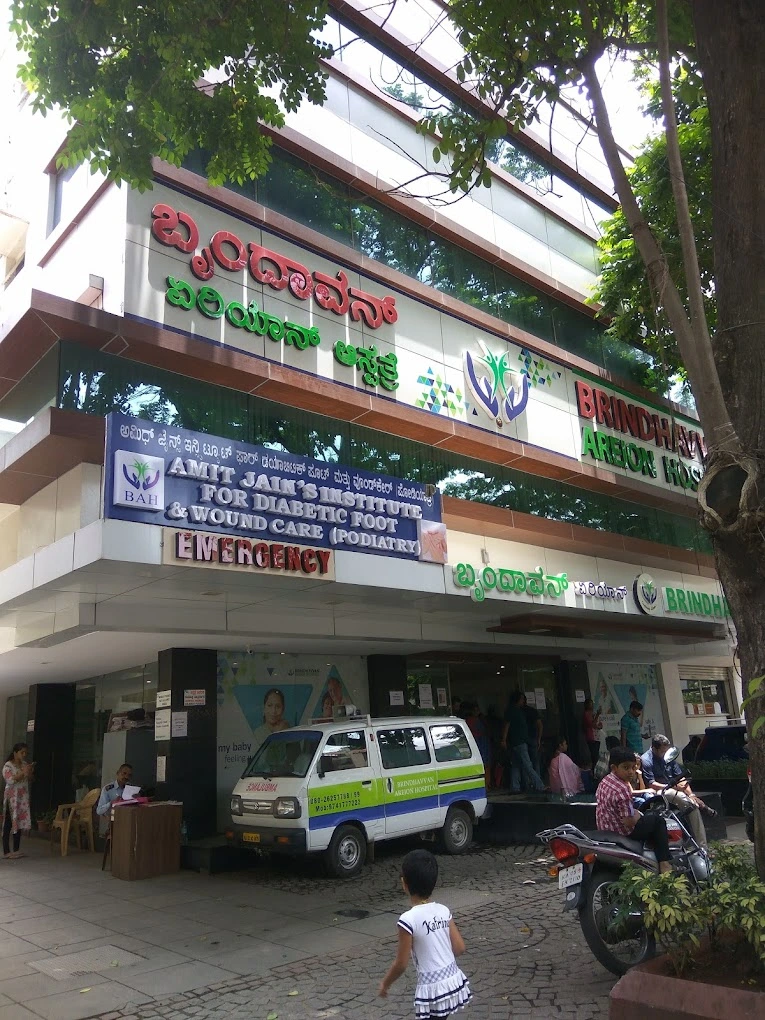
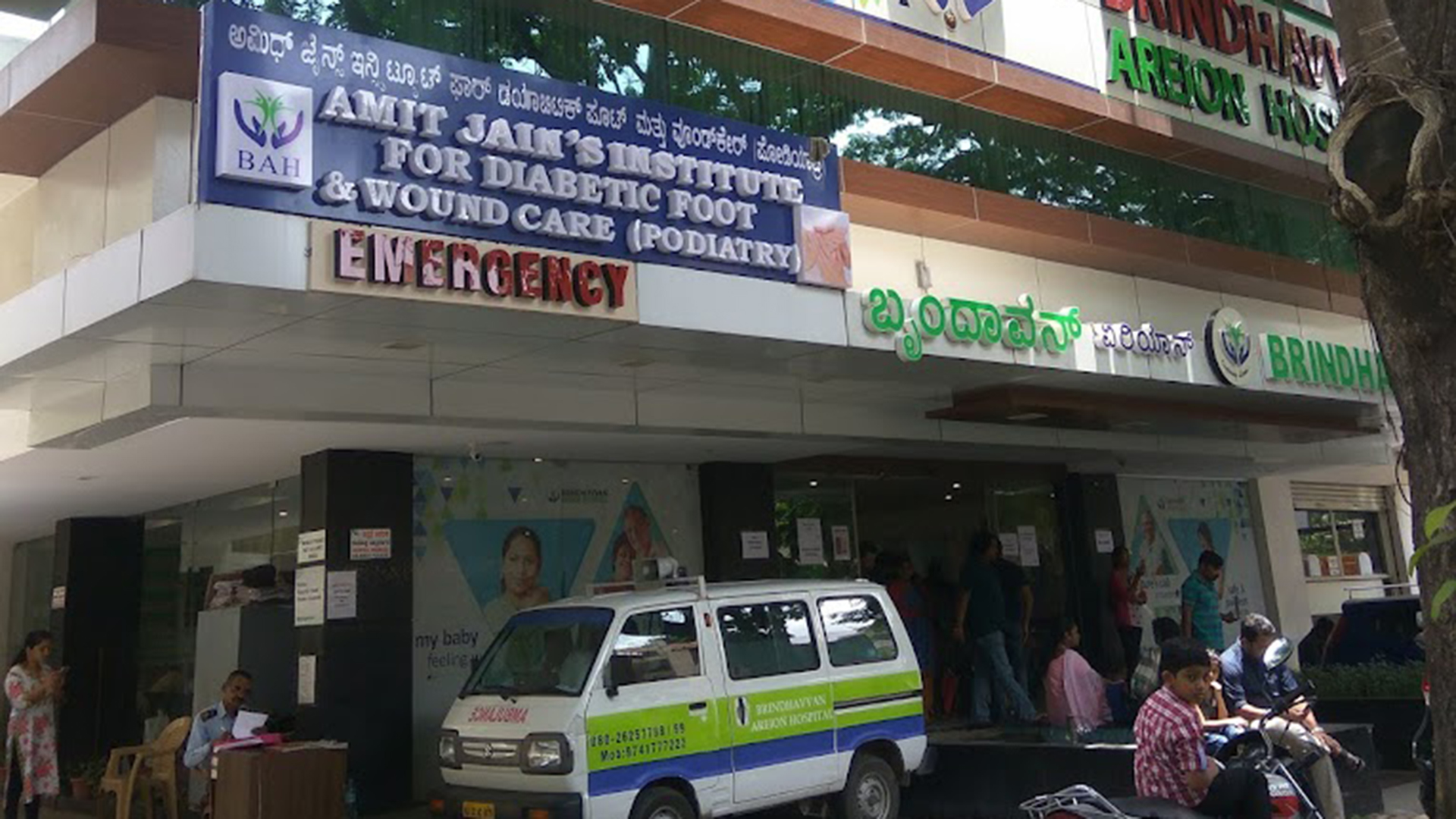
At Brindhavvan Areion Hospital in Chamrajpet, our ENT department is equipped to handle everything from routine seasonal infections to more complex sinus and hearing evaluations. With over 36 years of serving the Chamrajpet and Basavanagudi community, our approach focuses on identifying the root cause of recurring symptoms rather than offering only short-term relief.
Our facilities include on-site diagnostic support, experienced ENT specialists, and a straightforward appointment process — so if monsoon symptoms have been slowing you down for more than a week or two, getting evaluated doesn’t need to be complicated or time-consuming.
If you’re currently dealing with a blocked nose, ear discomfort, or a throat infection that isn’t improving, book a consultation with our ENT team today.
Frequently Asked Questions
1. How long should a monsoon cold last before I see a doctor?
Most viral colds resolve within 7 to 10 days. If your symptoms — congestion, sore throat, or mild fever — persist beyond that window, or worsen instead of improving, it’s a reasonable time to consult an ENT specialist rather than continuing to wait it out.
2. Is it normal to get sinus infections every monsoon season?
Occasional seasonal congestion is common, but if you develop a full sinus infection multiple times a year, every year, it usually points to an underlying factor — such as allergies, a deviated septum, or nasal polyps — that’s worth having formally evaluated rather than treating repeatedly as a one-off illness.
3. Can ear infections during monsoon affect my hearing permanently?
Most monsoon-related ear infections are temporary and resolve fully with proper treatment. However, ear infections that go untreated for extended periods, or that recur frequently, can occasionally affect hearing over time. This is why ear pain combined with any change in hearing should be evaluated promptly rather than managed only with home remedies.
4. What’s the difference between a cold and sinusitis?
A common cold typically involves a runny nose, mild congestion, and sneezing that improves within a week. Sinusitis, on the other hand, often includes facial pain or pressure, thick discolored discharge, reduced sense of smell, and symptoms that persist beyond 10 days or worsen after initially improving.
5. Are children more prone to ENT infections during monsoon?
Yes. Children have smaller nasal and sinus passages and developing immune systems, which makes them more susceptible to recurrent ear, nose, and throat infections during humid, wet weather. Parents should watch for repeated ear tugging, mouth breathing, or frequent throat complaints as signs worth discussing with a specialist.
6. Do I need a referral to see an ENT specialist, or can I book directly?
You can consult an ENT specialist directly without needing a referral from a general physician. If your symptoms are affecting your daily life or keep recurring each season, going straight to an ENT consultation often saves time compared to multiple rounds of general treatment. See our contact and location details to plan your visit.
7. What should I bring to my first ENT consultation?
It’s helpful to bring a note of when your symptoms started, how often they recur, any medications you’ve already tried, and details of past ENT issues if applicable. This helps the specialist identify patterns faster and recommend the right next steps.
Brindhavvan Areion Hospital, Chamrajpet, Bengaluru — 36 Years of Medical Excellence. For ENT consultations, call 080-26257700 or book an appointment online.