
If you’ve been dealing with irregular periods, unexplained weight gain, acne, or excess hair growth, you may be one of the millions of women affected by Polycystic Ovary Syndrome (PCOS). Finding the right PCOS treatment in Chamrajpet can feel overwhelming when you’re not sure where to start — but with the right gynecologist and a structured treatment plan, PCOS is highly manageable.
At Brindhavvan Areion Hospital, women across Chamrajpet, Basavanagudi, and South Bangalore turn to experienced gynecologists for accurate diagnosis and long-term PCOS care. This guide walks you through everything you need to know — from symptoms and causes to treatment options available locally.
What Is PCOS?
Polycystic Ovary Syndrome (PCOS) is a hormonal disorder that affects women of reproductive age. It occurs when the ovaries produce higher-than-normal levels of androgens (male hormones), which disrupts the regular ovulation cycle. This hormonal imbalance can lead to a wide range of symptoms and, if left unmanaged, can affect fertility and long-term metabolic health.
PCOS is one of the most common hormonal imbalance treatment concerns among women visiting gynecology clinics in urban India today, driven largely by lifestyle changes, stress, and dietary patterns common in cities like Bangalore.
Common Symptoms of PCOS
Every woman experiences PCOS differently, but the most frequently reported symptoms include:
- Irregular periods — cycles longer than 35 days, or fewer than 8 periods a year
- Excess androgen levels — leading to acne, oily skin, and excess facial or body hair (hirsutism)
- Polycystic ovaries — enlarged ovaries containing multiple small fluid-filled sacs, visible on ultrasound
- Weight gain, especially around the abdomen
- Thinning hair or hair loss on the scalp
- Difficulty conceiving due to irregular or absent ovulation
- Skin darkening, particularly around the neck, groin, and under the breasts
If you’re experiencing several of these symptoms together, it’s worth consulting a gynecologist who specializes in irregular periods and hormonal disorders rather than waiting for symptoms to worsen.
What Causes PCOS?
The exact cause of PCOS isn’t fully understood, but several contributing factors are well documented:
- Insulin resistance — high insulin levels can increase androgen production, worsening PCOS symptoms
- Genetics — PCOS often runs in families
- Chronic low-grade inflammation — linked to higher androgen levels
- Lifestyle factors — sedentary routines, high-stress jobs, and poor sleep patterns (all common in Bangalore’s fast-paced work culture) can aggravate hormonal imbalance
How Is PCOS Diagnosed?
A PCOS specialist typically uses a combination of the following to confirm diagnosis:
- Detailed menstrual history — cycle length, flow pattern, and missed periods
- Physical examination — checking for signs of excess hair growth, acne, or skin changes
- Blood tests — to measure hormone levels including LH, FSH, testosterone, and insulin
- Pelvic ultrasound — to check for the presence of multiple small cysts on the ovaries
- Blood sugar and lipid profile — since PCOS is closely linked with insulin resistance and metabolic risk
At Brindhavvan Areion Hospital, diagnostic services including ultrasound (abdomen & pelvis) and lab testing are available on-site, allowing for a faster, more convenient diagnostic process without needing to visit multiple facilities across the city.
PCOS Treatment Options Available in Chamrajpet
There is no single “cure” for PCOS, but with the right combination of medical treatment and lifestyle changes, symptoms can be effectively controlled, fertility can often be restored, and long-term health risks can be minimized.
1. Lifestyle and Dietary Modifications
For many women, the first line of treatment involves:
- Weight management through a balanced, low-glycemic diet
- Regular physical activity to improve insulin sensitivity
- Stress reduction techniques such as yoga or mindfulness
- Adequate sleep to support hormonal balance
Even a 5–10% reduction in body weight can significantly improve ovulation and reduce PCOS symptoms in many patients.
2. Medication for Hormonal Balance
Depending on your specific symptoms and whether you’re trying to conceive, your gynecologist may recommend:
- Combined oral contraceptives to regulate periods and reduce androgen levels
- Anti-androgen medications to manage acne and excess hair growth
- Insulin-sensitizing medications to address insulin resistance
- Ovulation induction medications for women trying to conceive
3. Fertility Support
For women facing difficulty conceiving due to PCOS, a gynecologist may recommend ovulation-tracking, fertility medications, or referral to advanced fertility care depending on the complexity of the case.
4. Managing Long-Term Health Risks
Because PCOS is linked to a higher risk of type 2 diabetes, high blood pressure, and cardiovascular issues later in life, ongoing monitoring is an important part of any comprehensive PCOS treatment plan — not just symptom management in the short term.
Why Choose Brindhavvan Areion Hospital for PCOS Treatment in Chamrajpet
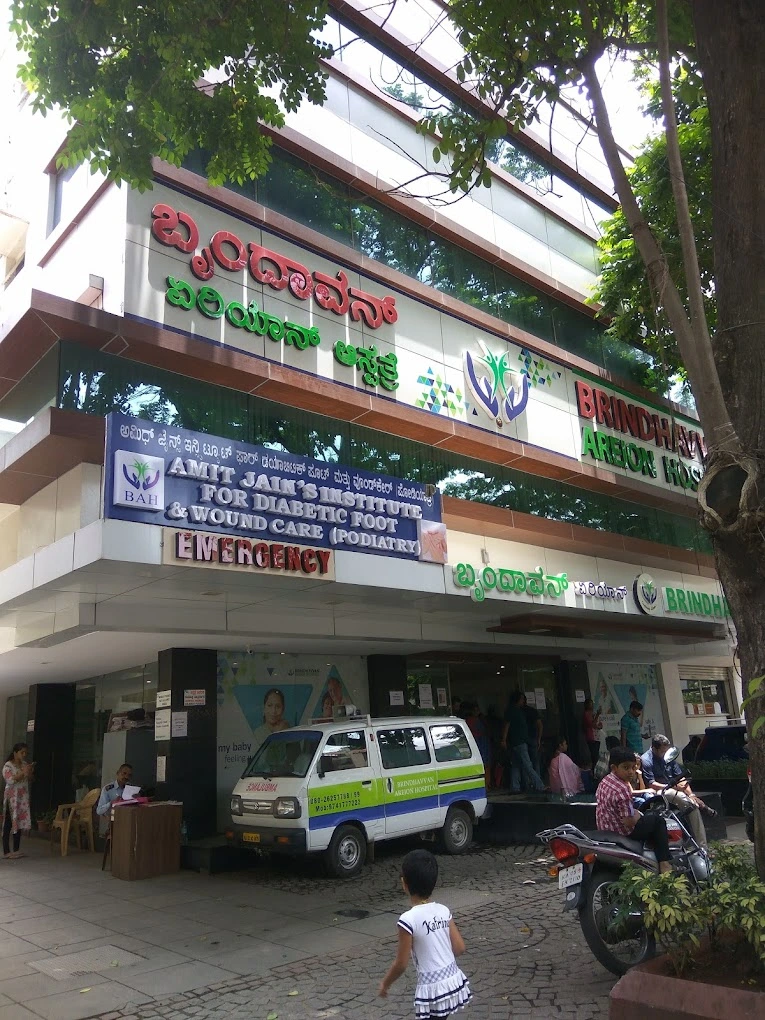
Located at 17, 4th Main Rd, Chamrajpet, Bengaluru, Brindhavvan Areion Hospital has served women across South Bangalore for over three decades. Here’s what sets the hospital’s approach to PCOS and hormonal imbalance treatment apart:
- Experienced gynecologists who take time to listen and explain diagnoses clearly, rather than rushing consultations
- On-site diagnostics, including ultrasound and lab testing, so you don’t need to travel between facilities
- Comprehensive women’s health services covering the full spectrum — from adolescence through menopause
- 24/7 hospital support, useful if symptoms or complications need urgent attention
- Convenient location for patients across Chamrajpet, Basavanagudi, and nearby South Bangalore neighborhoods
Frequently Asked Questions (FAQs)
1. Can PCOS be completely cured?
PCOS cannot be “cured” in the traditional sense since it’s a chronic hormonal condition, but it can be very effectively managed with the right combination of lifestyle changes and medical treatment, allowing most women to lead symptom-free, healthy lives.
2. Does PCOS affect fertility permanently?
Not necessarily. Many women with PCOS conceive naturally or with the help of fertility treatment once ovulation is restored through proper medical management.
3. Is PCOS the same as PCOD?
While often used interchangeably, PCOD (Polycystic Ovarian Disease) is generally considered a less severe metabolic condition, whereas PCOS is a more complex hormonal-endocrine disorder. Your gynecologist can clarify which applies to your specific case after evaluation.
4. How often should I follow up with my gynecologist after a PCOS diagnosis?
This varies by individual, but most gynecologists recommend follow-up every 3–6 months initially to monitor symptoms, hormone levels, and treatment response, with less frequent visits once the condition is stable.
5. Can diet alone manage PCOS?
Diet plays a major role, especially in managing insulin resistance and weight, but many women also require medication to fully manage hormonal symptoms — a combined approach usually works best.
Book a Consultation
If you’re experiencing symptoms of PCOS or irregular periods and are looking for reliable PCOS treatment in Chamrajpet, don’t wait for symptoms to worsen. Early diagnosis leads to better long-term outcomes.
📞 Call: 080 26257700 📍 Visit: Brindhavvan Areion Hospital, 17, 4th Main Rd, Chamrajpet, Bengaluru, Karnataka 560018 🗓️ Book an Appointment Online
This blog is for informational purposes only and does not replace professional medical advice. Please consult a qualified gynecologist for diagnosis and treatment tailored to your specific condition.