
Stomach pain is something almost everyone brushes off at first — a bad meal, gas, maybe stress. But when that pain settles into one specific spot and starts getting worse instead of better, it could be appendicitis, a condition that can turn from mild discomfort to a medical emergency within 24 to 48 hours.
If you’re searching for appendicitis symptoms and surgery in Banashankari, you’re likely dealing with one of two situations: you or a family member has unexplained abdominal pain and you’re trying to figure out whether it’s serious, or you’ve already been told it’s appendicitis and want to understand what surgery involves. This guide covers both — so you know exactly what to watch for, and when to see a general surgeon in Banashankari without delay.
What Is Appendicitis?
The appendix is a small, finger-shaped pouch attached to the large intestine, located in the lower right side of the abdomen. Its exact function isn’t fully understood, but when it becomes blocked — usually by trapped stool, swollen tissue, or rarely a tumor — bacteria multiply inside it, causing inflammation and swelling. This is appendicitis.
Left untreated, an inflamed appendix can rupture, spilling infection into the abdominal cavity and causing a life-threatening condition called peritonitis. This is exactly why appendicitis is treated as a surgical emergency rather than something to “wait out.”
Appendicitis Symptoms: What to Watch For
Appendicitis doesn’t always announce itself clearly, which is why so many people delay seeking care. Common warning signs include:
- Pain that starts near the belly button and moves to the lower right abdomen — this migration is one of the most classic signs
- Pain that worsens with movement, coughing, or pressing on the abdomen
- Loss of appetite, often one of the earliest symptoms
- Nausea and vomiting, usually starting after the pain begins
- Low-grade fever, sometimes rising as inflammation progresses
- Abdominal swelling or bloating
- Constipation or diarrhea, which can sometimes cause the condition to be mistaken for a stomach bug
Not everyone experiences every symptom, and in children, elderly patients, and pregnant women, the pain pattern can be less predictable — which is one more reason to have unclear abdominal pain evaluated by a doctor rather than self-diagnosing.
When Does Abdominal Pain Become an Emergency?
Seek immediate medical attention if you notice:
- Severe pain that suddenly stops (this can indicate a rupture, not improvement)
- A rigid, hard abdomen that’s painful to touch
- High fever with chills
- Inability to pass gas or have a bowel movement along with vomiting
If you or someone in your family in Banashankari is experiencing these symptoms, don’t wait for the pain to “go away on its own.” A same-day evaluation with a general surgeon can be the difference between a straightforward procedure and a complicated emergency surgery.
What Causes Appendicitis? Risk Factors to Know
While appendicitis can affect anyone at any age, certain factors increase the likelihood of developing it:
- Age — most common between ages 10 and 30, though it can occur at any age
- Family history — a genetic predisposition has been observed in some cases
- Digestive blockages — hardened stool (fecalith), swollen lymphoid tissue, or, less commonly, intestinal parasites can block the appendix opening
- Prior infections — a gastrointestinal infection can sometimes trigger swelling that leads to blockage
- Low-fiber diets — some research suggests a link between low dietary fiber and higher appendicitis rates, though this isn’t the sole cause
There’s no guaranteed way to prevent appendicitis, since the exact trigger often can’t be identified even after diagnosis. This is precisely why recognizing symptoms early matters far more than trying to “prevent” the condition — by the time symptoms appear, prompt evaluation is the priority.
Common Myths About Appendicitis
Misinformation often delays patients from seeking timely care. Here are a few myths worth clearing up:
Myth: “If the pain isn’t unbearable, it’s not serious.”
Fact: Pain intensity varies from person to person, and in some cases — especially in children, elderly patients, or those with a high pain tolerance — appendicitis can present with only moderate discomfort even as inflammation progresses.
Myth: “Home remedies or antibiotics alone can cure appendicitis.”
Fact: While a small number of very early, uncomplicated cases are sometimes managed medically under close hospital supervision, surgical removal remains the standard and most reliable treatment worldwide. Self-medicating at home delays diagnosis and increases the risk of rupture.
Myth: “Appendicitis pain is always on the right side.”
Fact: Pain often starts near the belly button before shifting to the lower right abdomen. In pregnant women, the appendix can shift position, causing pain higher up in the abdomen — another reason self-diagnosis can be unreliable.
Myth: “Surgery means a long hospital stay and a big scar.”
Fact: With modern laparoscopic appendectomy, most patients go home within 1–2 days with only a few small incisions, not the large scar associated with older surgical techniques.
Cost and Insurance Considerations
Appendix surgery costs vary depending on the type of procedure (laparoscopic vs. open), whether the appendix has ruptured, length of hospital stay, and any additional complications. Many health insurance plans, including cashless network coverage, typically cover emergency appendectomy as it’s classified as medically necessary surgery. Our hospital’s patient care team can walk you through cost estimates and insurance coordination in detail — the most reliable way to get an accurate figure is to speak with our billing and insurance desk directly during your consultation, since costs depend on individual case severity.
How Appendicitis Differs From Other Abdominal Pain
One of the biggest challenges for patients is distinguishing appendicitis from other, less urgent causes of abdominal pain, such as:
- Gastritis or acidity — typically causes upper abdominal discomfort, often linked to meals, and doesn’t usually involve fever
- Kidney stones — cause sharp, radiating pain often felt in the back or side, sometimes with blood in urine
- Ovarian cysts or gynecological issues — can cause lower abdominal pain in women, sometimes mistaken for appendicitis
- Urinary tract infections — cause burning during urination and lower abdominal discomfort, but rarely the migrating pain pattern seen in appendicitis
- Constipation or gas — pain typically fluctuates and improves with movement or passing gas, unlike the steady, worsening pain of appendicitis
Because these conditions overlap significantly in symptoms, self-diagnosis is unreliable. A physical examination combined with imaging and blood work gives an accurate answer within hours, not days — which is exactly what our general surgery team in Banashankari is set up to provide.
How Appendicitis Is Diagnosed
When you visit a general surgeon for suspected appendicitis, diagnosis typically involves:
- Physical examination — checking for tenderness in the lower right abdomen, a sign known as McBurney’s point tenderness
- Blood tests — an elevated white blood cell count often indicates infection or inflammation
- Imaging — an ultrasound or CT scan confirms an enlarged, inflamed appendix and rules out other causes of abdominal pain, such as kidney stones, ovarian cysts, or gastrointestinal infections
- Urine tests — to rule out urinary tract infections or kidney-related causes of similar pain
Because several conditions can mimic appendicitis, an accurate diagnosis from an experienced general surgeon is essential before deciding on treatment — misdiagnosis or delayed diagnosis is one of the biggest risk factors for complications.
Treatment: Appendix Surgery Explained
Once appendicitis is confirmed, surgical removal of the appendix — called an appendectomy — is the standard treatment. There are two main approaches:
1. Laparoscopic Appendectomy (Minimally Invasive)
This is the preferred method for most patients today. The surgeon makes a few small incisions and uses a camera and specialized instruments to remove the appendix.
Advantages include:
- Smaller scars
- Less post-operative pain
- Shorter hospital stay
- Faster return to normal activity, often within one to two weeks
2. Open Appendectomy
In cases where the appendix has already ruptured, or where laparoscopic access isn’t suitable, a traditional open surgery with a single larger incision may be recommended. Recovery generally takes a little longer, but the procedure is well-established and safe.
Your general surgeon will recommend the right approach based on how advanced the inflammation is, your overall health, and imaging results — this is exactly why an in-person consultation matters more than trying to self-assess severity from symptoms alone.
Recovery After Appendix Surgery
Most patients who undergo laparoscopic appendectomy can expect:
- 1–2 days of hospital observation (sometimes same-day discharge for uncomplicated cases)
- Light activity resumption within a few days
- Full recovery and return to normal activity within 2–4 weeks
- Follow-up visits to monitor incision healing and rule out infection
Patients who had a ruptured appendix or required open surgery may need a longer recovery window and closer post-operative monitoring, sometimes including a short course of antibiotics.
Why Choose a Local General Surgeon in Banashankari
When you’re dealing with sudden abdominal pain, proximity and speed of access genuinely matter. Choosing a general surgeon in Banashankari rather than traveling across the city for care means:
- Faster diagnosis and same-day evaluation — critical when every hour matters with suspected appendicitis
- Access to advanced laparoscopic surgical facilities without long wait times
- Continuity of care — the same surgical team handles diagnosis, surgery, and follow-up
- Reduced travel stress for patients and family members during an already anxious time
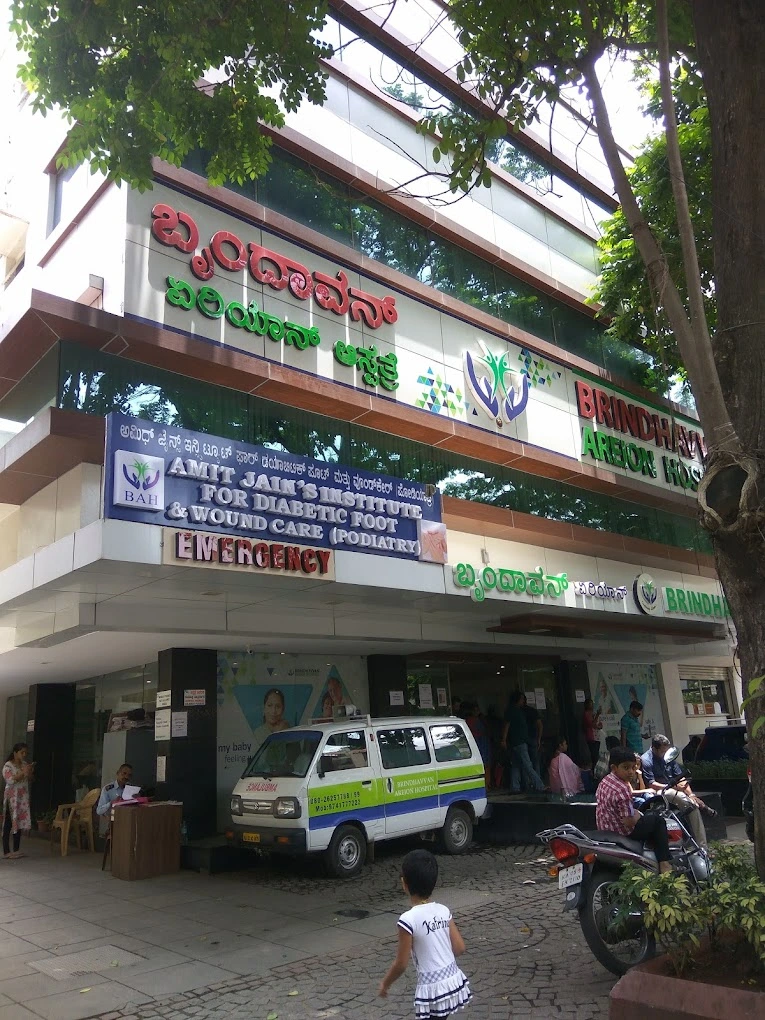
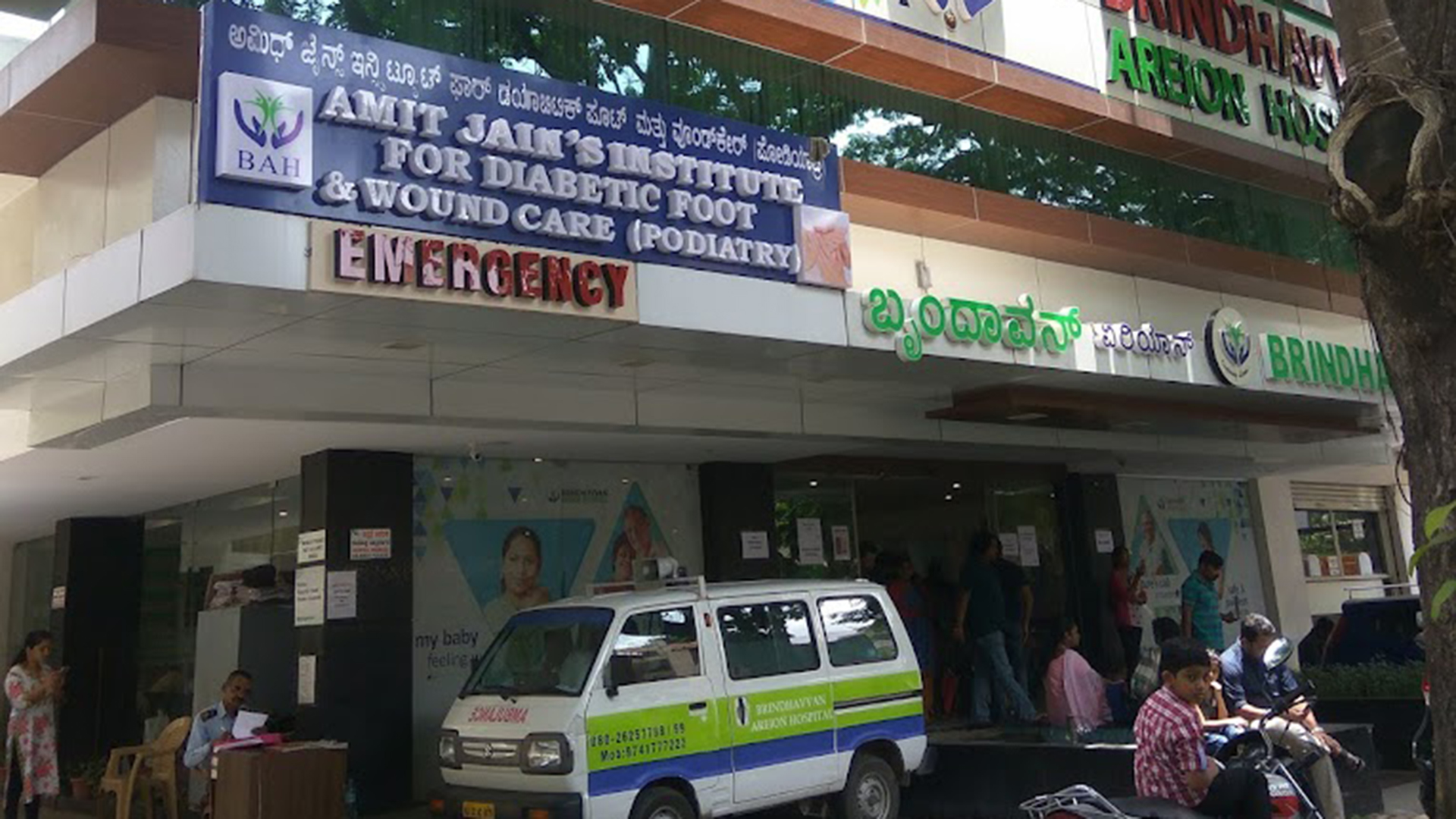
At Brindhavvan Areion Hospital, our general and laparoscopic surgery team is equipped to diagnose and treat appendicitis promptly, using minimally invasive techniques wherever clinically appropriate, backed by round-the-clock emergency support.
👉 Read more about our surgical expertise here: General Surgeon Hospital in Banashankari
👉 Explore our laparoscopic surgery capabilities: Best Hospital for Laparoscopic Surgeries in Banashankari
Don’t Ignore Abdominal Pain — Book a Consultation Today
Appendicitis can escalate quickly, and the safest approach is always early evaluation rather than waiting to see if the pain subsides. If you or a loved one in Banashankari or the surrounding areas is experiencing lower right abdominal pain, nausea, or fever, our general surgery team is available for prompt consultation and, if needed, same-day surgical care.
📞 Call us now to book an appointment with our General Surgeon in Banashankari.
💬 Message us on WhatsApp for a quick response.
📍 Find us on Google — check directions and patient reviews: Brindhavvan Areion Hospital on Google
Early action isn’t just safer medically — it also means a smaller incision, a shorter hospital stay, and a faster return to your normal routine.
Frequently Asked Questions
1. How do I know if my stomach pain is appendicitis or just gas?
Gas pain typically comes and goes and moves around the abdomen, while appendicitis pain usually starts near the belly button and settles into a fixed, worsening pain in the lower right abdomen. If pain persists for more than a few hours, worsens with movement, or is accompanied by fever or vomiting, see a general surgeon promptly rather than waiting it out.
2. Is appendix surgery always an emergency?
Most cases of appendicitis do require prompt surgery to prevent rupture, but the urgency depends on how far the inflammation has progressed. Some hospitals may manage very early, uncomplicated cases with antibiotics under close monitoring, though surgical removal remains the standard, most reliable treatment. Your surgeon will guide you based on your specific diagnosis.
3. How long does laparoscopic appendix surgery take?
A typical laparoscopic appendectomy takes around 30 to 60 minutes, though this can vary based on the severity of inflammation and whether the appendix has ruptured.
4. Can I live a normal life without my appendix?
Yes. The appendix isn’t essential for digestion or long-term health, and patients live completely normal lives after its removal, with no significant changes to diet or daily function.
5. What is the recovery time after appendix surgery?
With laparoscopic surgery, most patients return to light activities within a few days and full activity within 2–4 weeks. Open surgery or cases involving rupture may require a longer recovery period.
6. Is appendicitis common in children?
Yes, appendicitis is one of the most common causes of emergency abdominal surgery in children and teenagers. Symptoms can be harder to identify in young children, so any persistent abdominal pain, fever, or refusal to eat should be evaluated quickly by a doctor.
7. Where can I get appendix surgery near Banashankari?
Brindhavvan Areion Hospital offers prompt diagnosis and both laparoscopic and open appendectomy procedures for patients in and around Banashankari, with emergency surgical support available. Book your appointment today.