Knee pain is one of the most common reasons people in Basavanagudi search for an orthopedic doctor — and one of the easiest conditions to either over-worry about or, more often, ignore for too long. A twinge after a long walk is usually nothing. But pain that keeps returning, swelling that doesn’t go down, or a knee that “gives way” unexpectedly are signals your body is asking for a proper evaluation, not just rest and a pain balm.
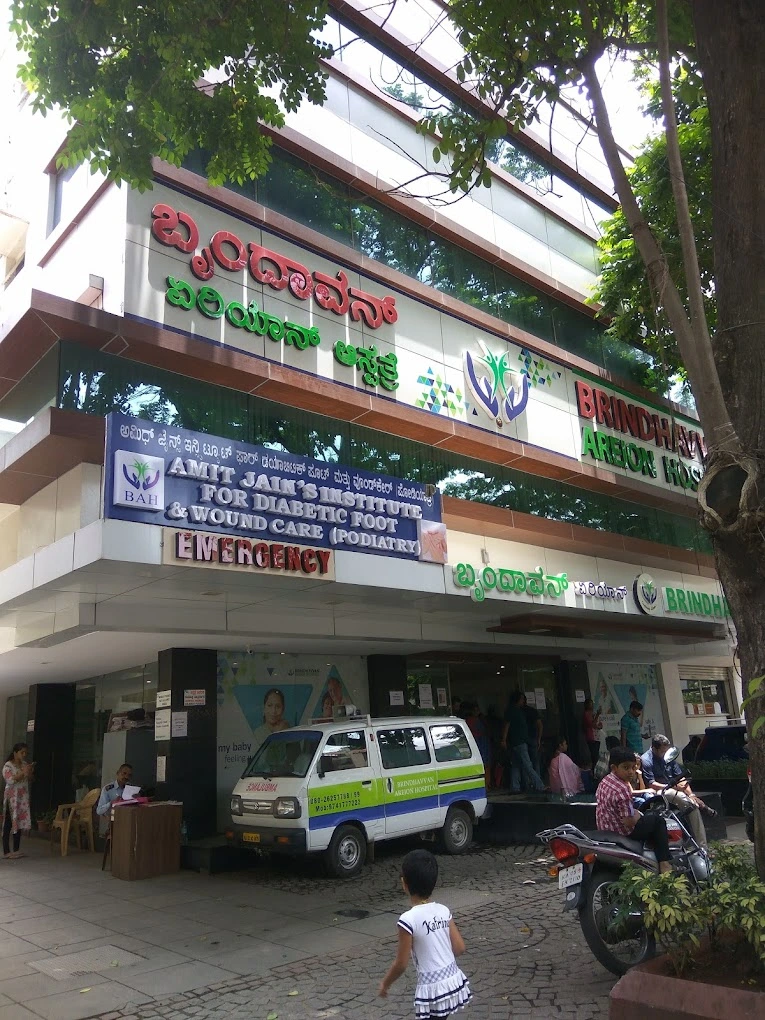
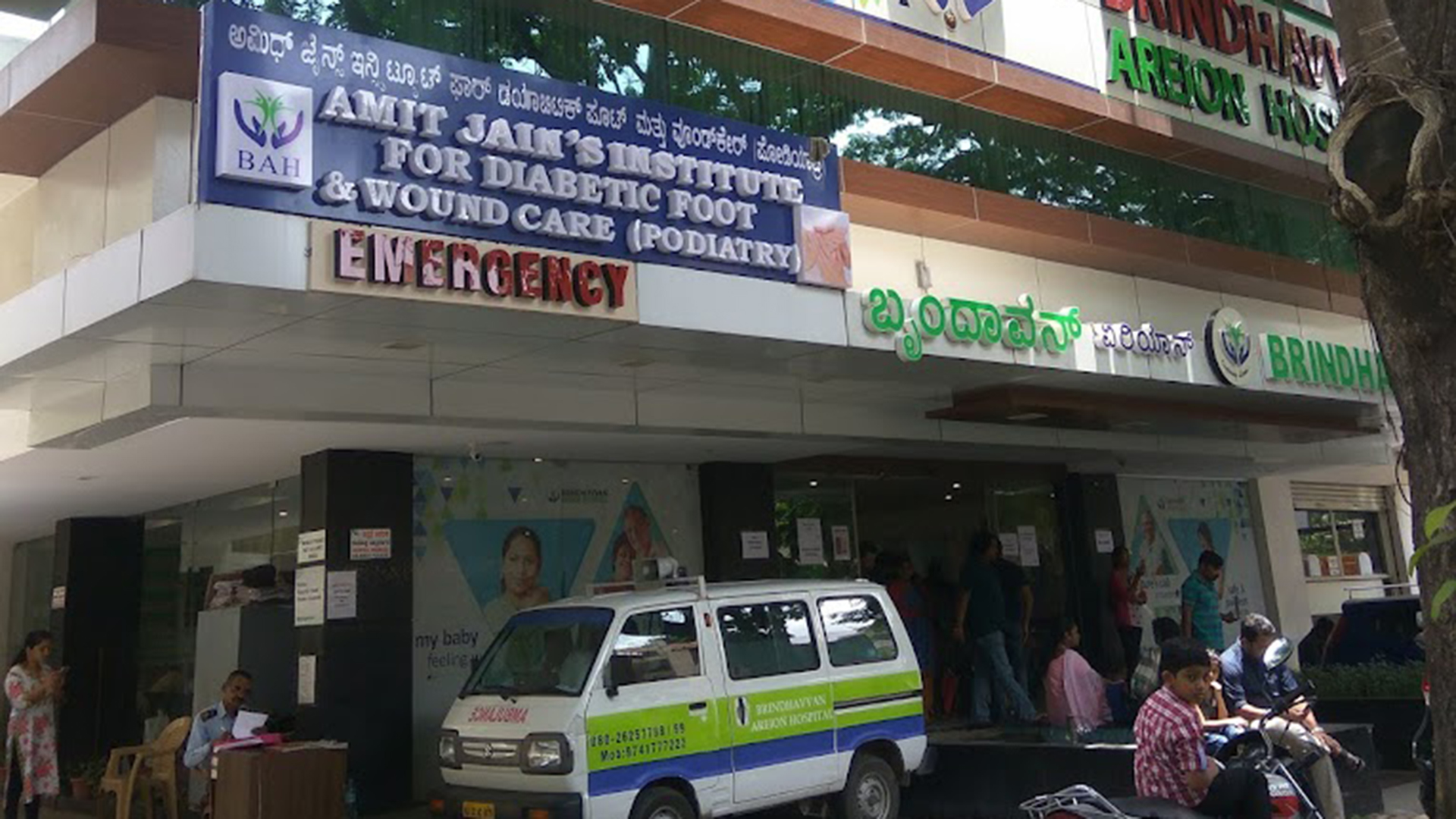
At Brindhavvan Areion Hospital, easily reachable from Basavanagudi in about 10–15 minutes, our Orthopedics department sees knee complaints ranging from sports injuries in younger patients to age-related joint wear in older adults. This guide covers the most common causes of knee pain, what a proper evaluation looks like, and when it’s time to stop self-managing and book a consultation.
Why Knee Pain Deserves More Than a Balm and Rest
The knee is a weight-bearing joint made up of bone, cartilage, ligaments, and tendons working together with precision. Because it absorbs impact with every step, run, squat, or stair climb, even small internal changes — a slightly worn cartilage surface, a minor ligament strain, or early-stage arthritis — can cause pain that feels disproportionate to how “serious” it seems on the surface.
The problem with repeatedly self-treating knee pain with rest, ice, and over-the-counter pain relief is that it can mask a problem that’s quietly getting worse. A minor ligament sprain that isn’t allowed to heal properly, for instance, can develop into chronic instability. Early-stage arthritis that goes undiagnosed often becomes harder to manage effectively the longer it’s left unaddressed. An accurate diagnosis, even for pain that feels manageable, is what determines whether treatment is simple or eventually becomes complicated.
Common Causes of Knee Pain
1. Osteoarthritis
The most common cause of knee pain in adults over 45, osteoarthritis develops as the protective cartilage in the knee gradually wears down. It typically causes stiffness in the morning or after sitting for a while, a grinding or clicking sensation, and pain that worsens with activity like climbing stairs. It tends to develop gradually, which is why many patients live with it for years before seeking care.
2. Ligament Injuries (ACL, MCL, PCL)
Sudden pain following a twist, pivot, or direct impact — common in sports, sudden falls, or even missteps on stairs — often points to a ligament injury. A feeling of the knee “giving way,” along with swelling that develops within hours, is a classic sign and usually needs imaging to confirm the extent of the injury.
3. Meniscus Tears
The meniscus is the cartilage cushion between the thigh and shin bones. Tears often happen during twisting movements, especially in sports or while squatting, and cause pain along the joint line, swelling, and sometimes a locking or catching sensation when bending the knee.
4. Tendinitis
Overuse of the knee — common in runners, cyclists, and people who’ve recently increased their activity level — can inflame the tendons around the joint, causing pain that’s usually localized and worsens with repetitive movement like climbing or jumping.
5. Bursitis
Inflammation of the small fluid-filled sacs that cushion the knee joint can cause localized swelling and tenderness, often from repeated kneeling, minor injury, or infection. It’s frequently mistaken for a more serious joint problem but is usually straightforward to treat once correctly identified.
6. Referred Pain from the Hip or Back
Not all knee pain originates in the knee. Hip joint problems or lower back nerve issues can sometimes present as knee pain, which is one of the reasons a proper physical examination — not just an X-ray of the knee alone — matters for an accurate diagnosis.
7. Post-Surgical or Age-Related Joint Degeneration
For patients who’ve had previous knee injuries or surgery, or those in older age groups, ongoing joint degeneration can cause pain that gradually worsens over months or years, sometimes eventually requiring more advanced intervention like joint replacement.
When Knee Pain Needs Urgent Attention
Most knee pain can wait for a scheduled appointment. But a few signs mean you should be seen sooner rather than later:
- Inability to bear weight on the knee at all
- Visible deformity of the joint after an injury
- Significant swelling that develops within a few hours of an injury
- A popping sound at the time of injury followed by immediate swelling and instability
- Fever along with a hot, swollen, and painful knee (which can indicate infection)
- Knee that locks in one position and won’t straighten or bend
If you’re experiencing any of these near Basavanagudi, our Critical Care and Emergency Services at Chamrajpet are available 24/7 — call 080-26257700 or come in directly rather than waiting for the swelling to settle on its own.
What an Orthopedic Consultation Actually Involves
A proper knee evaluation is more thorough than most patients expect, and typically includes:
- A detailed history — how the pain started, whether there was an injury, what makes it better or worse, and how it’s affecting daily activities like walking, sitting, or climbing stairs.
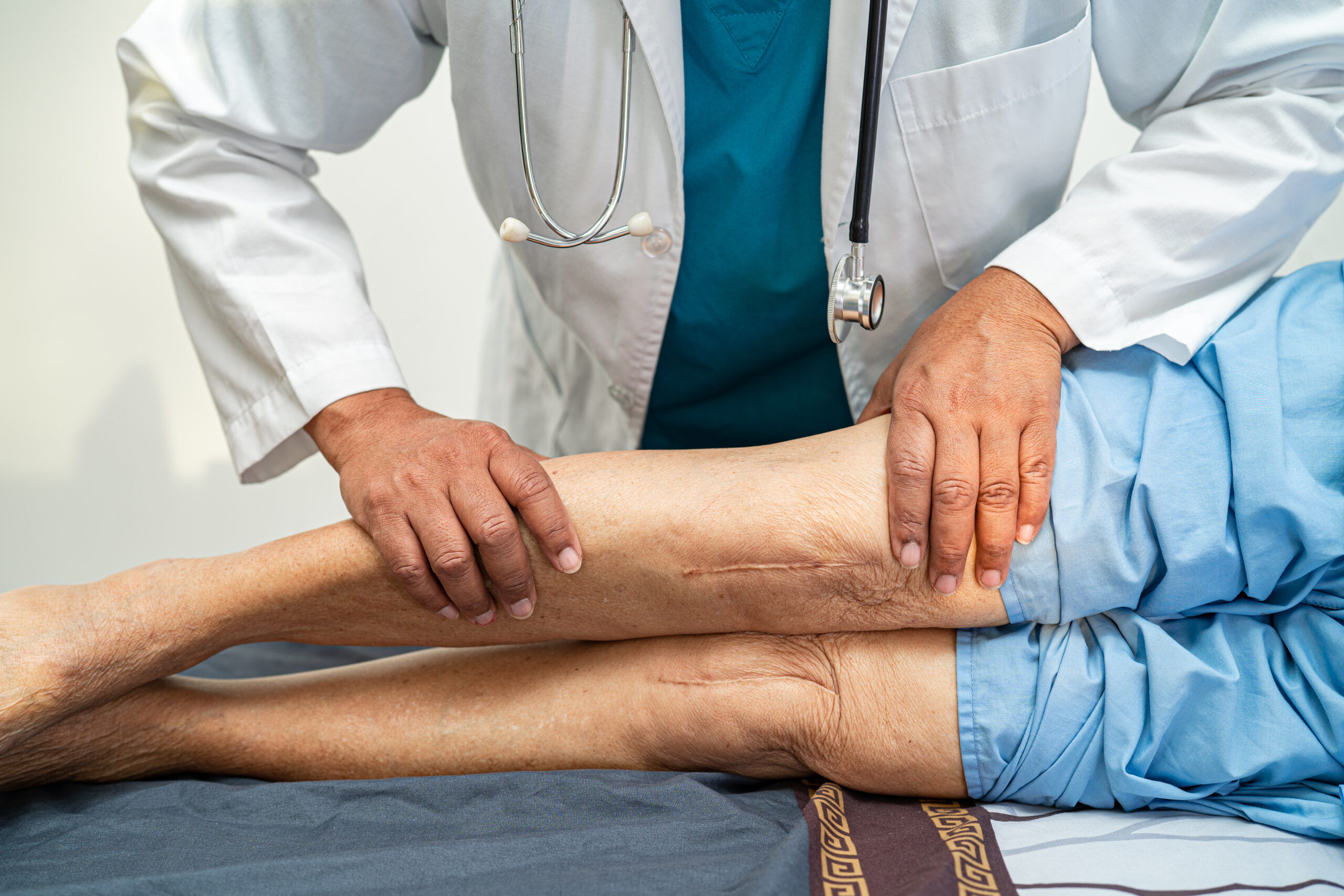
- A physical examination — checking range of motion, stability, swelling, and specific tests that help pinpoint whether the issue is ligament, cartilage, tendon, or joint-related.
- Imaging if needed — an X-ray to check bone alignment and joint space, or in some cases an MRI to evaluate soft tissue like ligaments and cartilage in more detail.
- A tailored treatment plan — which could range from physiotherapy and activity modification, to medication, to a referral for more advanced procedures if the imaging shows a significant tear or advanced joint wear.
This structured process is why an in-person consultation gives far more clarity than searching symptoms online or relying on a generic pain relief routine.
Treatment Options Available
Depending on the diagnosis, treatment for knee pain can include:
- Physiotherapy — often the first line of treatment for tendinitis, minor ligament strains, and early arthritis, focused on strengthening the muscles around the knee and improving joint stability. Our Physiotherapy services support recovery for both post-injury and chronic joint cases.
- Medication and injections — for pain and inflammation management, particularly in arthritis cases.
- Bracing or supports — to stabilize the joint during recovery from ligament injuries.
- Minimally invasive procedures — such as arthroscopy for certain meniscus tears or ligament repairs.
- Joint replacement — reserved for advanced arthritis or joint degeneration that hasn’t responded to more conservative treatment, handled by our Orthopaedic Surgery team.
Why Choose Brindhavvan Areion Hospital for Knee Pain in Basavanagudi
- Conveniently located in Chamrajpet, a short and easy drive from Basavanagudi
- On-site diagnostics including X-ray, ensuring faster evaluation without running between centers
- Experienced orthopedic specialists who treat everything from sports injuries to age-related joint conditions
- Integrated physiotherapy support for both non-surgical recovery and post-procedure rehabilitation
- 36 years of trusted medical care in the local community, with 15+ doctors and 1,200+ surgeries performed
Read more about our orthopedic care options in Basavanagudi, or if your symptoms match anything above, book a consultation directly rather than waiting for it to worsen.
Simple Habits That Help Protect Your Knees
While not every cause of knee pain can be prevented, a few everyday habits meaningfully reduce how often knee problems develop or worsen:
- Maintain a healthy body weight. Every extra kilogram adds noticeably more load on the knee joint with each step, accelerating cartilage wear over time.
- Strengthen the muscles around the knee. Strong quadriceps and hamstrings help stabilize the joint and reduce strain, particularly important for people who sit for long hours during the day.
- Warm up before exercise or sports. Sudden intense activity without preparation is a common trigger for ligament and tendon injuries.
- Avoid prolonged squatting or kneeling on hard surfaces where possible, especially if you already notice occasional discomfort.
- Wear supportive footwear, particularly if you walk long distances regularly, since poor footwear alters knee alignment over time.
- Don’t push through sharp pain during activity. Mild soreness after exercise is normal; sharp or worsening pain during movement is a signal to stop and get it checked rather than continuing.
None of this replaces proper diagnosis if pain has already become a recurring issue — but combined with timely medical care, these habits reduce how often knee problems develop in the first place.
Getting to Us From Nearby Areas
Brindhavvan Areion Hospital sits centrally in Chamrajpet, making it an easy visit for patients across South and West Bangalore looking for orthopedic care. Patients regularly travel in from:
- Basavanagudi — roughly a 10–15 minute drive, one of the closest and most convenient neighborhoods to reach us from
- Gandhi Bazaar and Nagarathpet — a short distance away, well connected via the main roads
- Jayanagar and Banashankari — a slightly longer but still manageable drive, especially for patients who prefer a hospital with an established track record in orthopedic and surgical care
If you’re unsure whether your knee pain needs an in-person consultation or if home care is sufficient for now, calling ahead at 080-26257700 lets our team guide you before you make the trip.
Frequently Asked Questions
1. When should I see an orthopedic doctor for knee pain instead of waiting it out?
If pain persists beyond a week despite rest, if there’s noticeable swelling, or if the knee feels unstable or gives way, it’s time for a proper evaluation rather than continued self-management.
2. Is knee pain in young people always due to injury?
Not always. While sports injuries are common in younger patients, overuse, poor footwear, or even referred pain from the hip can also cause knee discomfort in people without any recent injury.
3. Do I need an MRI for every knee pain complaint?
No. Many cases can be assessed with a physical examination and X-ray first. An MRI is usually recommended only when soft tissue injury — like a ligament or meniscus tear — is suspected based on the initial evaluation.
4. Can knee pain be treated without surgery?
Yes, in most cases. Physiotherapy, activity modification, and medication successfully manage the majority of knee pain cases. Surgery is generally considered only when conservative treatment doesn’t resolve the problem or when imaging shows significant structural damage.
5. Is it normal for knees to hurt with age?
Some wear and tear is common with age, but persistent or worsening pain isn’t something to simply accept as “normal aging.” Early evaluation and management can meaningfully slow progression and preserve mobility.
6. How soon can I get an appointment for knee pain at Brindhavvan Areion Hospital? Same-day appointments are usually available for orthopedic consultations. For injuries with significant swelling, instability, or inability to bear weight, walk into our 24/7 emergency department directly.
7. Can physiotherapy alone fix a meniscus tear?
It depends on the size and location of the tear. Smaller, stable tears often respond well to physiotherapy, while larger or more complex tears may need a minimally invasive procedure — something your orthopedic doctor will determine after proper evaluation.
8. What should I bring to my first orthopedic consultation?
Any previous X-rays, scans, or medical records related to the knee, a list of current medications, and a clear sense of when the pain started and what activities worsen it — this helps the doctor reach a diagnosis faster.
Don’t Let Knee Pain Limit Your Daily Life
Occasional mild knee discomfort is common and often resolves on its own. But recurring pain, swelling, or instability deserves a proper evaluation — not months of working around it. Our orthopedic team at Brindhavvan Areion Hospital is here to help you move without pain again.
Book your appointment now or call 080-26257700 for urgent injuries. You can also explore our orthopedic care in Basavanagudi or check our health check-up packages for a broader wellness screening alongside your visit.