Back pain that will not settle, a leg that tingles or goes numb, or an arm that feels weak can turn a normal day into a struggle. When these symptoms last, most people type “spine surgeon near me” into a search bar and hope for a clear answer. This guide gives you one. It explains when a spine specialist is worth seeing, which conditions they treat, what surgery really involves, and how to choose a surgeon in Bangalore with confidence.
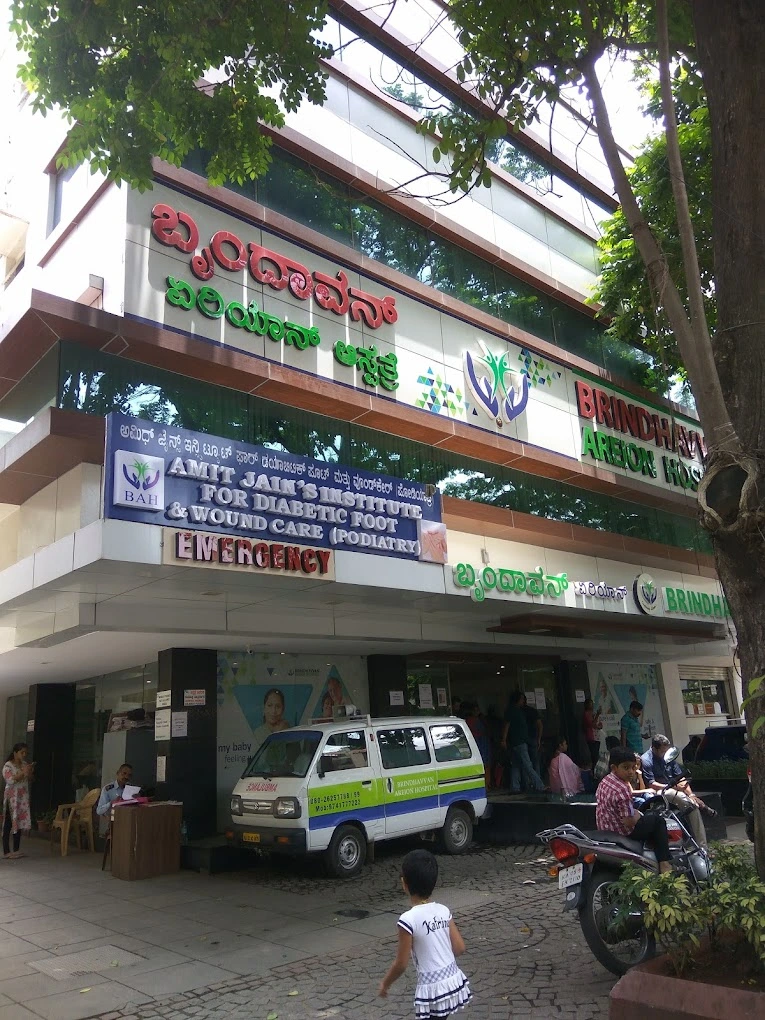
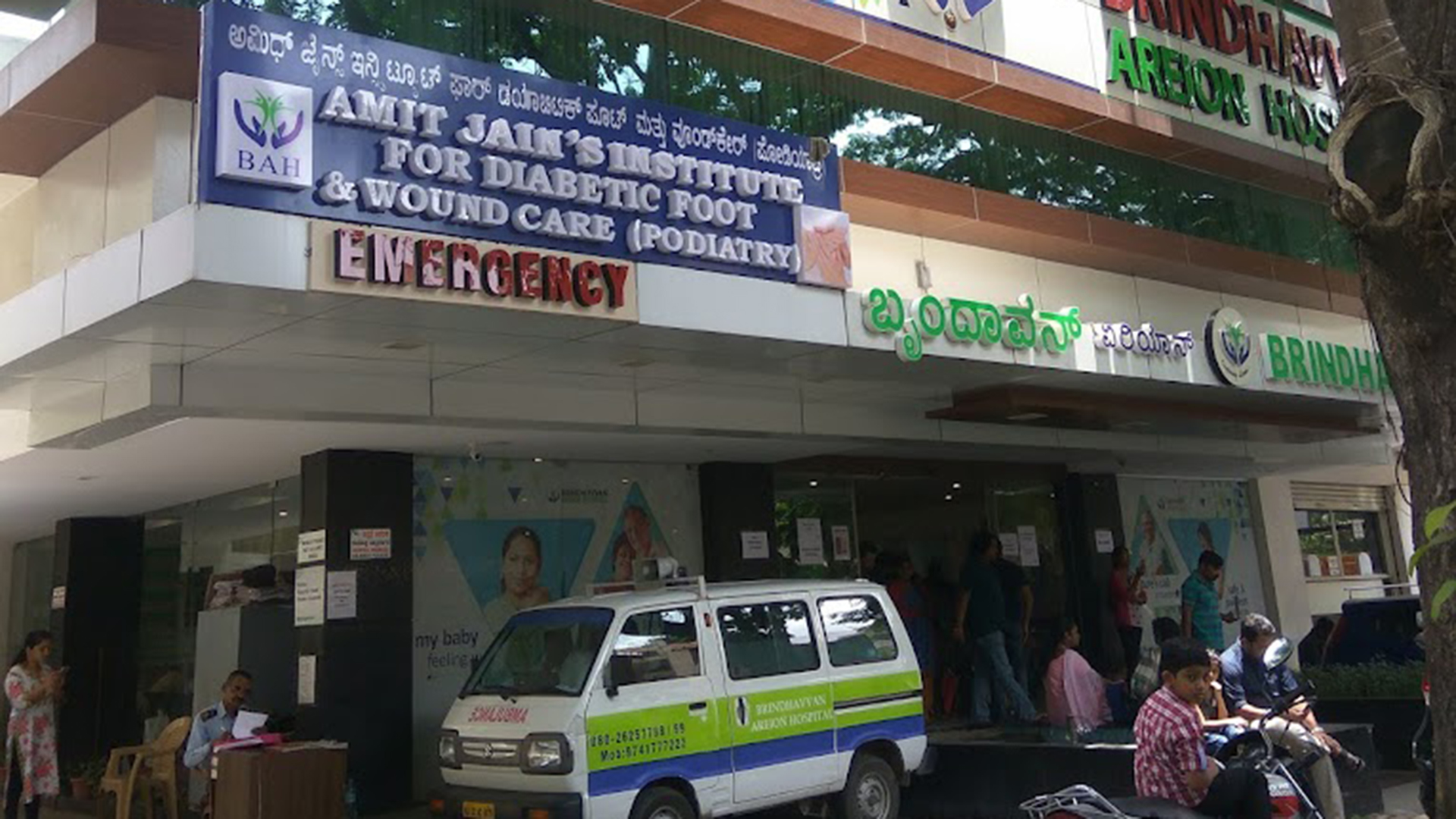
If you live in or around Chamrajpet, Basavanagudi, Jayanagar or central Bangalore, you will also see what spine care looks like at Brindhavvan Areion Hospital, a multispecialty hospital that has been serving the city for 36 years. Whichever hospital you finally pick, the questions and checklists below will help you decide well.
When Should You See a Spine Surgeon?
Most back and neck pain improves within a few weeks with rest, medication and gentle movement. A visit to a spine specialist makes sense when the problem does not follow that pattern. Consider booking a consultation if you notice any of the following:
- Back or neck pain that lasts longer than four to six weeks despite treatment
- Pain that travels down one leg or arm (often called sciatica or radiculopathy)
- Numbness, tingling or a “pins and needles” feeling in the hands, feet, arms or legs
- Weakness when lifting the foot, gripping objects or climbing stairs
- Pain that wakes you at night or gets worse when you lie down
- Pain after a fall, road accident or sports injury
- Walking difficulty, loss of balance or a visibly changing posture or spinal curve
Red-flag symptoms need urgent care. Go to an emergency department the same day if back pain comes with loss of bladder or bowel control, numbness in the groin or inner thighs, rapidly worsening leg weakness, fever, or unexplained weight loss. These can signal nerve compression or infection that should not wait. Brindhavvan Areion Hospital runs 24/7 emergency services, so you can reach care at any hour.
Conditions a Spine Surgeon Treats
Spine surgeons manage problems of the neck (cervical), mid-back (thoracic) and lower back (lumbar) regions. Common conditions include:
- Herniated or slipped disc: a disc bulges and presses on a nerve, causing leg or arm pain.
- Spinal stenosis: the spinal canal narrows, often with age, leading to pain and numbness while walking.
- Sciatica: pain along the sciatic nerve, usually from a disc or bony pressure.
- Spondylolisthesis: one vertebra slips forward over the one below it.
- Scoliosis and kyphosis: abnormal curvature of the spine.
- Spinal fractures: from trauma or weakened bones.
- Spinal infections and tumours: less common, but they need specialist assessment.
Non-Surgical Treatment Comes First
A good spine surgeon does not rush to operate. For most patients, surgery is the last step, not the first. Treatment usually begins with medication, activity modification, posture correction and structured physiotherapy. Some patients are also offered injections for pain relief. Surgery is usually discussed when pain or nerve symptoms persist despite these measures, when weakness is getting worse, or when scans show pressure on the spinal cord or nerves that is unlikely to settle on its own.
If a surgeon recommends an operation at the very first visit without examining you or reviewing your scans, ask for a second opinion.
Common Spine Surgery Options Explained
The right operation depends on your diagnosis, scan findings, age and overall health. Your surgeon will explain which approach fits you. These are the procedures patients ask about most often:
| Procedure | What it does | Typically used for |
|---|---|---|
| Discectomy / microdiscectomy | Removes the part of a disc pressing on a nerve | Herniated disc with persistent leg or arm pain |
| Laminectomy / decompression | Removes bone or tissue to give nerves more room | Spinal stenosis |
| Spinal fusion | Joins two or more vertebrae to stabilise the spine | Instability, slipped vertebra, some fractures |
| Vertebral stabilisation | Uses screws and rods to support the spine | Fractures, deformity, tumours |
| Minimally invasive spine surgery | Uses smaller incisions and specialised instruments | Selected conditions, when suitable |
Minimally invasive techniques can mean smaller cuts and, for some patients, a quicker return to routine. They are not right for every condition, so the best technique is the one that safely treats your problem, not simply the newest one.
Because spine and brain surgery share many skills and facilities, patients with complex problems may be seen across specialties. You can read more about the hospital’s spine surgery, neurosurgery and orthopaedic surgery services on their dedicated pages.
How to Choose a Spine Surgeon in Bangalore
“Near me” is a useful starting filter, because you will visit for consultations, scans, physiotherapy and follow-ups. But distance should be only one of several factors. Use this checklist:
- Qualifications and training. Look for recognised surgical degrees such as MS or MCh, and training in spine or neurosurgery. Hospitals should list doctor credentials openly, as on the Our Doctors page.
- Experience with your condition. Ask how often the surgeon treats cases like yours, not just how long they have practised.
- A conservative mindset. The surgeon should discuss non-surgical options, risks and realistic outcomes before recommending an operation.
- Diagnostic support in the same place. On-site X-ray, CT and laboratory services save time, and a hospital can arrange or advise on other scans such as MRI when needed.
- Anaesthesia and critical care backup. Spine surgery needs a strong anaesthesia team and access to intensive care if something unexpected happens.
- Rehabilitation. Recovery depends heavily on physiotherapy. Check that guided rehab is available after surgery.
- Transparent costs and insurance help. Ask for an estimate in writing and confirm which insurers are accepted.
- Clear communication. You should leave the consultation understanding your diagnosis, options and next steps.
Visit in person if you can. How a team listens to you often tells you more than any brochure.
Spine Care at Brindhavvan Areion Hospital, Chamrajpet
Brindhavvan Areion Hospital is a multispecialty hospital at 17, 4th Main Road, Chamrajpet, Bengaluru 560018, open 24 hours a day. For people searching for a spine surgeon in central Bangalore, it brings several things under one roof:
- Spine and neurosurgical care. The hospital lists dedicated spine surgery and neurosurgery services, alongside orthopaedic surgery.
- Specialist departments. Patients can be assessed by the Orthopedics and Neurology teams, which helps when back pain has a nerve-related cause.
- Diagnostics on site. The hospital offers X-ray, CT scan, laboratory services and ECG, which are often needed before treatment or surgery.
- Anaesthesia and critical care. Anaesthesiology and Critical Care departments support safe surgery and recovery.
- Rehabilitation. Physiotherapy services focus on pain relief and mobility.
- Insurance support. Patients report help with insurance procedures; see the medical insurance information for details.
You can review the full team on the Our Doctors page, which lists orthopaedic and surgical specialists with their qualifications. Because individual doctors’ areas of focus can change, call the hospital on 080 26257700 to confirm which specialist is best suited to your spine problem before you visit.
Want to understand bone and joint care more broadly? Read the hospital’s guide to orthopedics in Chamrajpet, Bangalore, which covers arthritis, sports injuries, shoulder pain and physiotherapy care.
What to Expect: Your Spine Care Journey
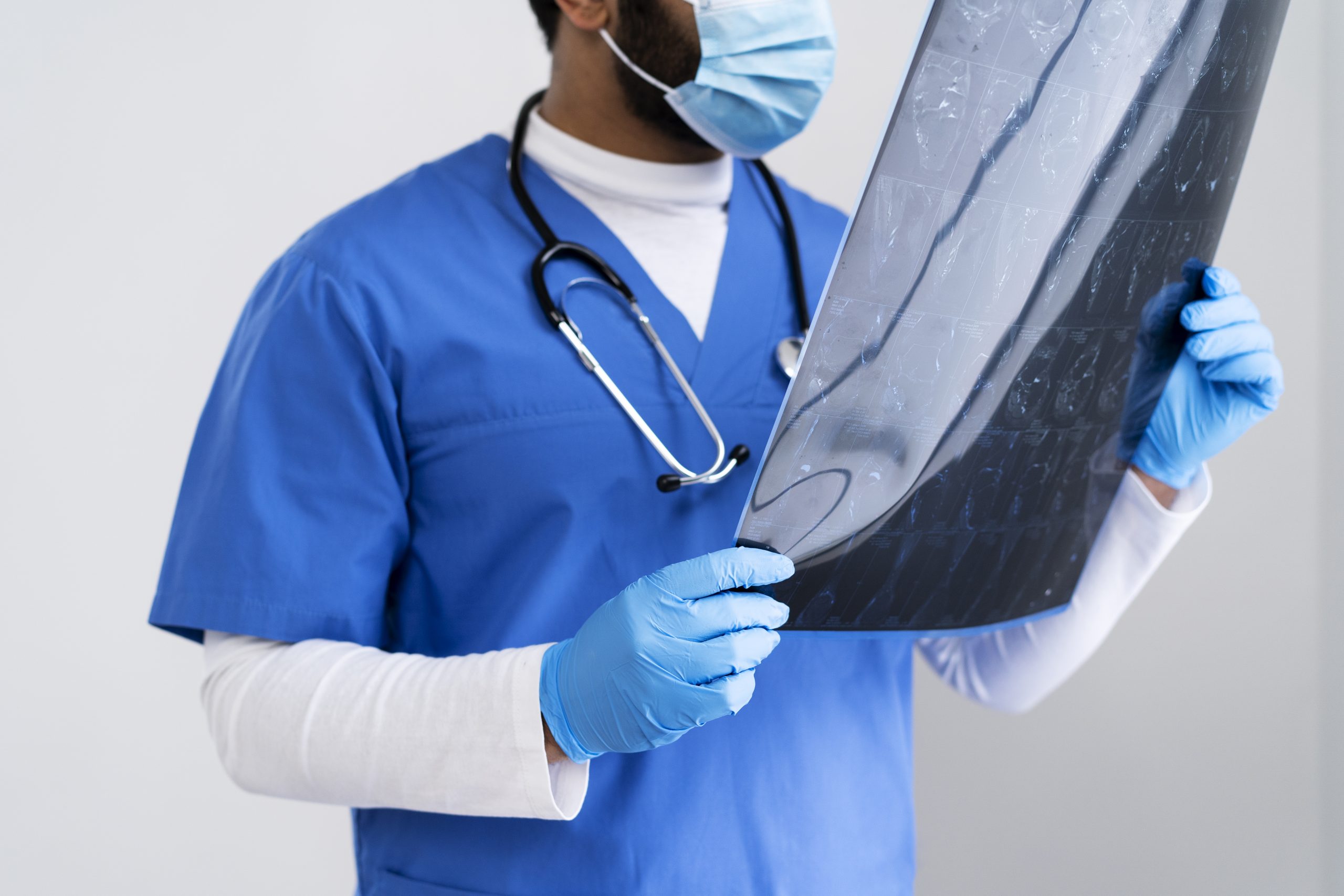
First consultation. The surgeon will ask about your symptoms, past injuries and daily activities, then examine your posture, movement, reflexes and muscle strength. Bring earlier X-rays, MRI or CT reports, and a list of your medicines. You may be advised to have further imaging or blood tests.
Planning and consent. If surgery is advised, the surgeon should explain the diagnosis, the proposed procedure, alternatives, possible risks and the expected recovery. A pre-anaesthesia check reviews your heart, lungs, diabetes, blood pressure and other conditions.
Surgery and hospital stay. The length of stay depends on the procedure. Some patients walk with support within a day, but your team will set a plan that fits you.
Recovery and rehabilitation. Healing takes weeks to months. Physiotherapy, safe lifting habits, good posture and gradual return to activity protect the result. Follow-up visits let the surgeon check wound healing, nerve recovery and scans.
Cost and insurance. Cost varies with the diagnosis, the technique, implants used, room category and length of stay, so no honest surgeon can quote a fixed price without seeing you. Ask for a written estimate that lists what is included. The hospital’s Patient Care section explains the admission process and medical insurance support. If you are unsure about next steps, a health check-up is a simple way to start looking after your overall health before a procedure.
Frequently Asked Questions
1. How do I find a good spine surgeon near me in Bangalore?
Start with hospitals close to your home or workplace, then compare doctors’ qualifications, experience with your condition, diagnostic and rehabilitation facilities, and how clearly they explain your options. Booking a consultation lets you judge this first-hand.
2. Is spine surgery always necessary for back pain?
No. Most back pain improves with medication, physiotherapy and lifestyle changes. Surgery is considered when nerve symptoms, weakness or severe pain continue despite treatment, or when scans show serious nerve or spinal cord compression.
3. Should I see an orthopaedic doctor or a neurosurgeon for spine problems?
Both treat spine conditions. An orthopaedic surgeon often handles bone, joint and alignment problems, while a neurosurgeon focuses on nerve and spinal cord issues. Your first consultation will clarify who is best placed to treat you, and the two specialities often work together.
4. Which scans are needed before spine surgery?
The surgeon may ask for an X-ray, CT scan or MRI, depending on your symptoms. Bring any earlier reports to avoid repeating tests.
5. How long does recovery take after spine surgery?
It varies widely by procedure and by person. Many patients start walking soon after surgery, but full recovery can take several weeks to months, with physiotherapy playing a major role.
6. How much does spine surgery cost in Bangalore?
Cost depends on the diagnosis, the type of surgery, implants, room category and length of stay. Ask the hospital for a written estimate after your consultation and scans.
7. Can I use health insurance for spine surgery?
Often yes, if your policy covers the procedure. Carry your policy details and ask the hospital’s insurance desk about approval and cashless options. See the medical insurance information at Brindhavvan Areion Hospital.
8. How do I book an appointment at Brindhavvan Areion Hospital?
You can book an appointment online, call 080 26257700, or use the contact page for directions and enquiries.
Conclusion: Take the First Step Early
Spine problems rarely fix themselves when nerves are involved, and waiting too long can make treatment harder. Searching for a spine surgeon near you is a good start, but the best choice combines qualified doctors, honest advice, strong diagnostics, safe anaesthesia and critical care, and proper rehabilitation. If you are in Chamrajpet or anywhere in Bangalore, you can book an appointment at Brindhavvan Areion Hospital, call 080 26257700, or visit the Spine Surgery page to learn more.
This article is for general information and does not replace medical advice. Please consult a qualified doctor about your own symptoms.