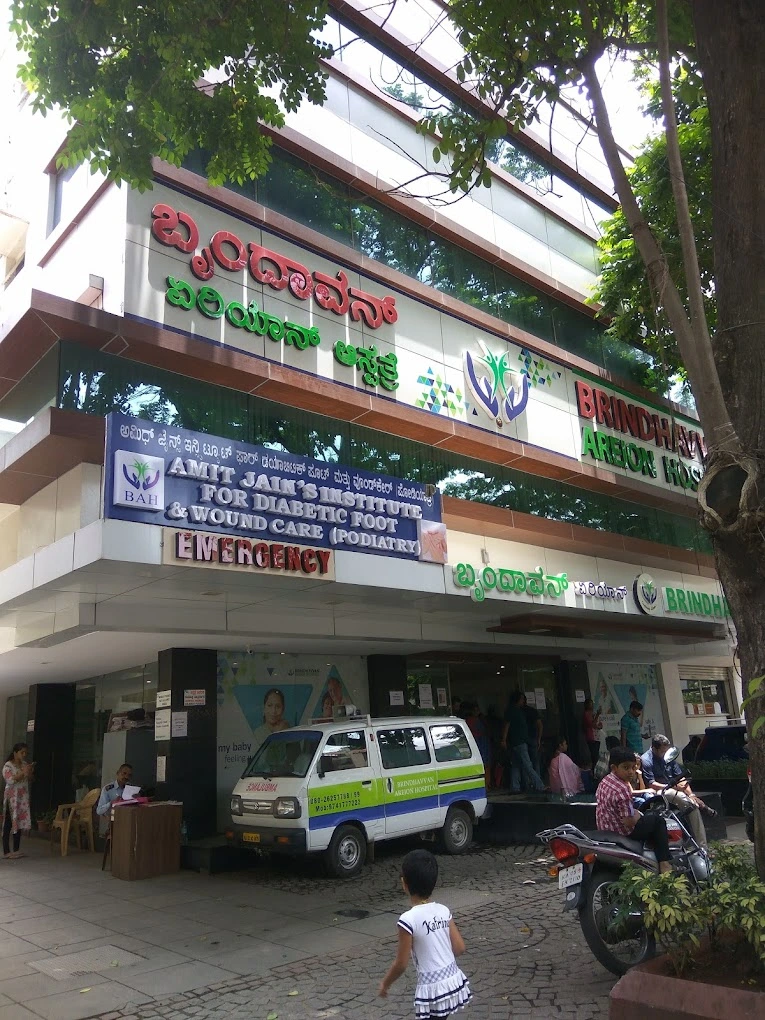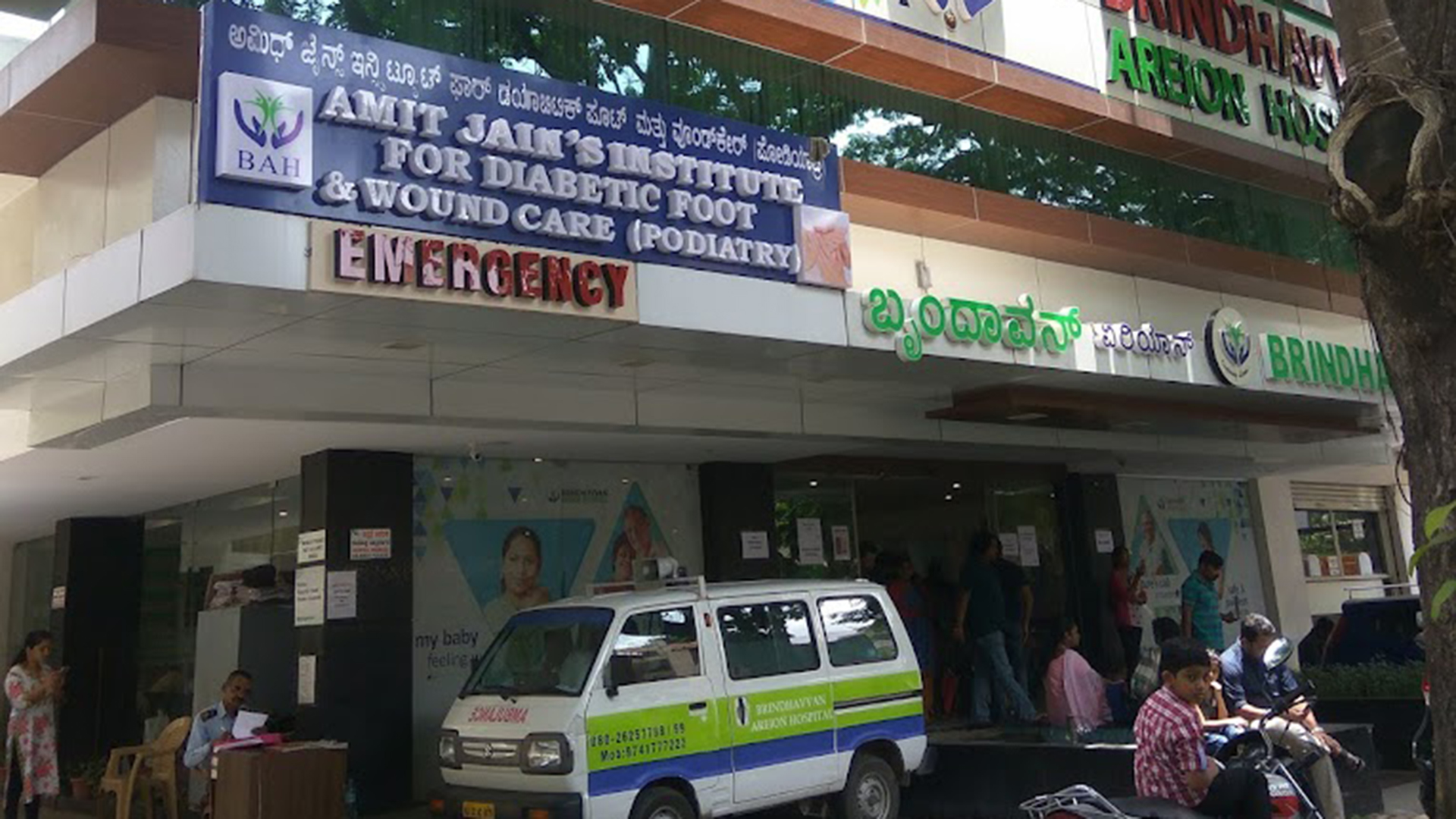

Stomach pain is one of the most common reasons people search for a doctor near Chamrajpet, Bengaluru — and also one of the most confusing to act on. Is it something you slept off with a hot water bag? Or is it a sign your gallbladder, appendix, or stomach lining is in trouble? At Brindhavvan Areion Hospital, located at 17, 4th Main Rd, Chamrajpet, Bengaluru, our General Medicine and Gastroenterology teams see this exact question every single day — and the honest answer is: it depends on where the pain is, how long it has lasted, and what else is happening alongside it.
This guide walks you through the most common causes of stomach pain, the warning signs that mean you shouldn’t wait, and how to get seen quickly if you’re in or around Chamrajpet, Basavanagudi, or nearby West Bangalore.
Why Stomach Pain Is Hard to Self-Diagnose
The abdomen houses the stomach, intestines, liver, gallbladder, pancreas, kidneys, and appendix — all packed close together. That’s why the same symptom, “pain in the stomach,” can point to a dozen different conditions depending on its exact location, timing, and triggers. A pain that starts near the navel and later shifts to the lower right side, for example, is a classic pattern doctors watch for closely, while pain that worsens sharply after fatty meals points somewhere else entirely.
This is exactly why self-treating with over-the-counter antacids for more than a couple of days, without a proper evaluation, is one of the most common mistakes patients make. Our Gastroenterology department in Chamrajpet exists precisely to sort through this — a quick consultation with a physical exam, and if needed, an ultrasound or blood work, usually gives a clear answer within the same visit.
Common Causes of Stomach Pain
1. Acidity and Gastritis
A burning sensation in the upper abdomen, often worse on an empty stomach or after spicy food, is usually acid-related. It’s extremely common in Bangalore’s fast-paced, meal-skipping lifestyle, but recurring acidity over weeks can point to gastritis or, less commonly, an ulcer that needs proper treatment rather than repeated antacid use.
2. Gas and Bloating
Cramping pain that comes and goes, often relieved by passing gas or a bowel movement, is typically related to diet, irregular eating times, or mild food intolerance. This is usually manageable, but if it’s a daily occurrence, it’s worth ruling out irritable bowel syndrome (IBS) or a food sensitivity with a doctor.
3. Gallstones
Sharp pain in the upper right abdomen, especially after a heavy or oily meal, that sometimes radiates to the back or right shoulder, is a classic gallstone symptom. This pain can come in waves lasting a few hours and often needs an ultrasound to confirm — something available directly at our Chamrajpet facility.
4. Appendicitis
Pain that starts near the belly button and moves to the lower right abdomen, especially if it worsens with movement, coughing, or pressing on the area, needs urgent medical attention. Appendicitis can escalate quickly, and delaying care raises the risk of complications.
5. Kidney Stones or Urinary Issues
Pain that radiates from the back or side toward the lower abdomen, sometimes with burning during urination, may originate from the kidneys or urinary tract rather than the digestive system. This is a common cause of stomach-adjacent pain that’s frequently misattributed to “gas.”
6. Menstrual or Gynecological Causes
For women, lower abdominal pain can be linked to the menstrual cycle, ovarian cysts, or other gynecological conditions. If the pain doesn’t follow a predictable monthly pattern, it’s worth a dedicated evaluation with our OBG & Gynaecology team.
7. Food Poisoning or Infection
Sudden pain accompanied by vomiting, diarrhea, or fever usually points to a stomach infection or food poisoning. Most cases resolve with rest and hydration, but persistent vomiting, blood in stool, or high fever needs same-day medical evaluation to prevent dehydration and complications.
When Stomach Pain Is an Emergency
Most stomach pain is manageable and not dangerous. But certain signs mean you should go to the hospital immediately rather than waiting for a scheduled appointment:
- Sudden, severe pain that comes on abruptly and doesn’t ease
- Pain accompanied by a rigid, hard abdomen
- Persistent vomiting, especially if it contains blood or looks like coffee grounds
- Blood in stool, or black, tarry stools
- High fever with abdominal pain
- Pain during pregnancy
- Chest pain, difficulty breathing, or pain spreading to the jaw or arm alongside abdominal discomfort (this can signal a cardiac issue, not a digestive one)
- Inability to keep fluids down for more than a few hours
If you or a family member near Chamrajpet experiences any of these, our Critical Care and Emergency Services are available 24/7 — call 080-26257700 or come directly to the hospital rather than waiting it out at home.
Simple Habits That Reduce Recurring Stomach Pain
While not every cause of stomach pain can be prevented, a good number of the cases we see at our Chamrajpet facility are linked to everyday habits that are easy to overlook in a busy city lifestyle. A few changes can meaningfully reduce how often you deal with digestive discomfort:
- Don’t skip meals for long stretches. Long gaps between meals increase stomach acid production, which is one of the most common triggers of acidity-related pain. Eating smaller, more regular meals is often more protective than eating less overall.
- Slow down at mealtimes. Eating quickly, especially while working or commuting, means swallowing more air and giving your stomach less time to signal fullness — both contribute to bloating and cramping later.
- Watch fried and very oily food, especially at night. Heavy, fatty meals late in the day are a common trigger for gallbladder-related pain and reflux, since digestion slows down while you’re lying down.
- Stay hydrated, but not only with tea or coffee. Caffeinated drinks can worsen acidity in people who are already prone to it. Plain water through the day supports smoother digestion.
- Don’t ignore recurring symptoms just because they’re “manageable.” Mild, recurring pain that you’ve simply learned to live with is still worth mentioning to a doctor — early evaluation is far easier to treat than a condition that’s been left unaddressed for years.
- Be cautious with long-term painkiller use. Frequent use of certain pain relief medication without medical guidance can itself irritate the stomach lining and cause or worsen abdominal pain over time.
None of this replaces a proper diagnosis if pain is already a regular problem for you — but combined with timely medical care, these habits can meaningfully reduce how often you need to deal with it in the first place.
What a Doctor Actually Checks For
When you visit for stomach pain, the consultation usually isn’t just “here’s a tablet.” A proper evaluation typically includes:
- A detailed history — where the pain is, when it started, what makes it better or worse, and any related symptoms like fever, nausea, or changes in appetite or bowel habits.
- A physical examination — gently pressing different areas of the abdomen to identify tenderness patterns that point toward specific organs.
- Basic investigations if needed — blood tests, urine tests, or an abdominal ultrasound, most of which are available on-site so you don’t need to run between labs.
- A clear treatment plan — whether that’s dietary changes, medication, further specialist referral (like Gastroenterology or General Surgery), or, in more serious cases, a plan for admission and closer monitoring.
This structured approach is why a proper consultation, even for something that feels minor, is worth more than repeated self-medication.
Why Choose Brindhavvan Areion Hospital for Stomach Pain in Chamrajpet
- Located centrally in Chamrajpet, easily accessible from Basavanagudi, Gandhi Bazaar, Nagarathpet, and surrounding areas
- On-site diagnostics — ultrasound, lab testing, and imaging without needing referrals to outside centers
- Experienced General Medicine and Gastroenterology specialists who see abdominal complaints daily
- 24/7 emergency care for cases that can’t wait
- 36 years of medical service to the local community, with 15+ doctors and 30+ services under one roof
You can read more about our full range of Gastroenterology treatment options in Chamrajpet — or better yet, book a consultation directly if your symptoms match anything described above.
Getting to Us From Nearby Areas
Brindhavvan Areion Hospital sits centrally in Chamrajpet, making it a quick, direct visit for residents across South and West Bangalore. Patients regularly travel in from:
- Basavanagudi — roughly a 10–15 minute drive, making it one of the closest neighborhoods to reach us from
- Gandhi Bazaar — a short distance away, within easy reach for a same-day consultation
- Nagarathpet — easily accessible via the main connecting roads
- Jayanagar and Banashankari — a slightly longer but still convenient drive for patients who prefer a hospital with 36 years of established local trust
If you’re unsure whether your symptoms warrant a visit or a phone consultation first, calling ahead at 080-26257700 lets our team guide you on the best next step before you travel.
Frequently Asked Questions
1. When should I stop self-treating stomach pain and see a doctor?
If over-the-counter remedies haven’t helped within 2–3 days, if the pain is severe, or if it’s accompanied by fever, vomiting, or changes in bowel habits, it’s time for a proper consultation rather than continuing to self-medicate.
2. Is stomach pain near the belly button always appendicitis?
No — but if pain that starts near the navel shifts and settles in the lower right abdomen, especially with fever or worsening on movement, it needs urgent evaluation to rule out appendicitis.
3. Can stress cause stomach pain?
Yes. Stress and anxiety can trigger or worsen digestive symptoms like cramping, bloating, and acidity. However, this should only be considered after other causes have been ruled out by a doctor, not assumed on your own.
4. What tests are usually done for unexplained stomach pain?
Common first-line tests include blood work, urine analysis, and an abdominal ultrasound. Based on findings, your doctor may recommend further tests like an endoscopy or CT scan.
5. Is it normal to have stomach pain after every meal?
No — pain that consistently follows meals, especially fatty or heavy ones, can indicate gallbladder issues, acid reflux, or a digestive condition that needs evaluation rather than being treated as “normal.”
6. Do I need to fast before visiting for a stomach pain consultation?
Not usually for the initial consultation, but if an ultrasound is likely (especially for suspected gallbladder issues), fasting for a few hours beforehand can help — our team will guide you on this when you call to book.
7. Can children have serious stomach pain too?
Yes. Persistent or severe abdominal pain in children should never be ignored, especially if accompanied by fever, vomiting, or refusal to eat. Our Pediatric department sees children with abdominal complaints regularly.
8. How quickly can I get an appointment at Brindhavvan Areion Hospital?
Same-day appointments are usually available for General Medicine and Gastroenterology consultations. For urgent or severe pain, walk into our 24/7 emergency department directly rather than waiting for a scheduled slot.
Don’t Wait Out Stomach Pain That Won’t Settle
Stomach pain that’s mild and short-lived is usually nothing to worry about. But recurring, worsening, or unusual pain deserves a proper look — not another few days of guessing. Our team at Brindhavvan Areion Hospital, Chamrajpet, is here to help you get a clear answer quickly.
Book your appointment now or call 080-26257700 for emergencies. You can also explore our Gastroenterology services in Chamrajpet or check our full range of health check-up packages if you’d like a broader screening alongside your consultation.